Ο πόλεμος στη Μέση Ανατολή δεν είναι απλώς μια ακόμη σύγκρουση στην περιοχή· είναι μια κρίση που αναδιαμορφώνει συμμαχίες, ισορροπίες και στρατηγικές επιλογές, με επιπτώσεις που φτάνουν πολύ πέρα από τα άμεσα μέτωπα. Από τον Περσικό Κόλπο μέχρι την Ανατολική Μεσόγειο, καμία χώρα δεν μένει ανεπηρέαστη, ενώ οι εξελίξεις επηρεάζουν άμεσα και την Κύπρο, τόσο σε επίπεδο ασφάλειας όσο και γεωπολιτικής θέσης. Στην συνέντευξή του στον Φιλελεύθερο ο Amos Nadan, Διευθυντής του Moshe Dayan Center for Middle Eastern and African Studies στο Πανεπιστήμιο του Τελ Αβίβ επισημαίνει πως το Ιράν φαίνεται να εξέρχεται αποδυναμωμένο από τον πόλεμο με τους παραδοσιακούς του συμμάχους να ακολουθούν πλέον πιο αυτόνομες στρατηγικές και τα αραβικά κράτη να συγκροτούν ένα άτυπο μέτωπο απέναντί του. Την ίδια στιγμή, οι Ηνωμένες Πολιτείες επιβεβαιώνουν τον καθοριστικό τους ρόλο ως ρυθμιστής των εξελίξεων, ενώ το Ισραήλ επιχειρεί να κεφαλαιοποιήσει τα νέα δεδομένα, γνωρίζοντας όμως ότι η επόμενη μέρα θα φέρει ανασυγκρότηση των σχέσεων του με τα αραβικά κράτη της περιοχής όπως και με την επίλυση του Παλαιστινιακού.
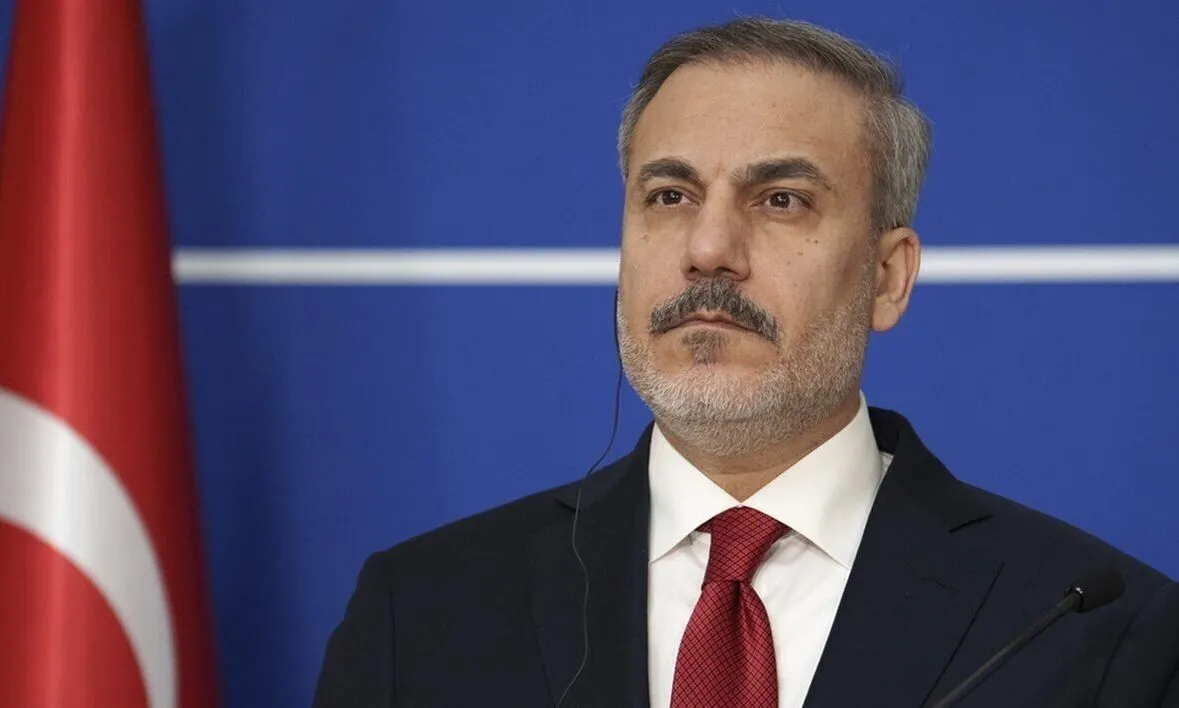
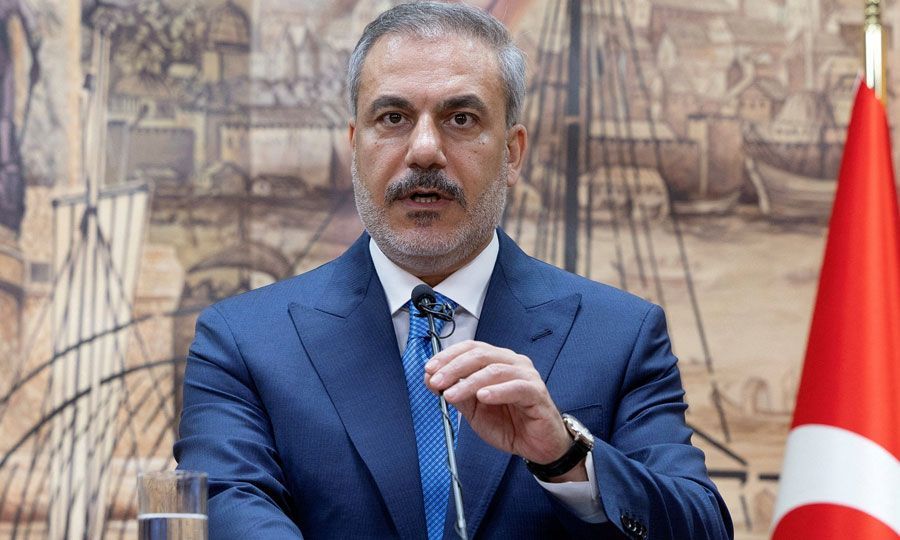
Μέσα σε αυτό το ρευστό τοπίο, η Τουρκία αναδεικνύεται σε έναν απρόβλεπτο και ολοένα πιο σκληρό δρώντα, επανατοποθετώντας τον ρόλο της στην περιοχή και εντείνοντας τις εντάσεις με το Ισραήλ. Παράλληλα, η Κύπρος αποκτά αναβαθμισμένη στρατηγική σημασία, με τη σχέση της με το Ισραήλ να ενισχύεται και να μετατρέπεται σταδιακά σε σχέση αλληλεξάρτησης. «Οι σχέσεις των δύο χωρών πρέπει να ενισχυθούν, όχι μόνο σε στρατιωτικό επίπεδο, αλλά και σε ένα ευρύτερο πλαίσιο συνεργασίας. Επιπλέον, υπάρχουν και κοινές προκλήσεις και απειλές στην περιοχή, για παράδειγμα σε σχέση με την Τουρκία, κάτι που ενισχύει περαιτέρω την ανάγκη για σύγκλιση», τονίζει.
-Η Κύπρος υπήρξε στόχος επιθέσεων όπως και η Τουρκία. Αν συνεχιστεί η σύγκρουση υπάρχει περίπτωση να επεκταθεί μέχρι την Ανατολική Μεσόγειο;
-Θεωρώ πως η Ανατολική Μεσόγειο δεν αποτελεί άμεσο στόχο, αλλά ότι οι ενέργειες του Ιράν επηρεάζουν όλους. Αν προσπαθήσουμε να κατανοήσουμε τι επιδίωκε η Τεχεράνη, θα έλεγα ότι χτύπησε πολλαπλούς στόχους επειδή ήθελε ο πόλεμος να τελειώσει πολύ γρήγορα. Δηλαδή, έπληξε κράτη ώστε να αυξηθεί η πίεση και να πουν «σταματήστε τον πόλεμο, υποφέρουμε». Το ίδιο μοτίβο βλέπουμε και στον τομέα της ενέργειας. Από την αρχή, υπήρξαν επιθέσεις ή πιέσεις που επηρεάζουν ενεργειακές υποδομές σε άλλες χώρες, καθώς και προσπάθειες παρεμπόδισης της ναυσιπλοΐας σε κρίσιμες θαλάσσιες οδούς. Δεν θεωρώ ότι χώρες όπως η Κύπρος αποτελούν στόχο. Ωστόσο, ένα μάθημα που πρέπει να ληφθεί και σε μεγάλο βαθμό έχει ήδη ληφθεί είναι ότι οι καλές σχέσεις με το Ισραήλ και φυσικά με τις ΗΠΑ λειτουργούν ως ένα είδος εγγύησης, ιδίως σε επίπεδο ασφάλειας και ενδεχόμενης στρατιωτικής υποστήριξης.
–Πως ο πόλεμος επανασχεδιάζει τις σχέσεις μεταξύ των κρατών της περιοχής; Δημιουργούνται νέες συμμαχίες, διαλύονται ίσως οι παλιές;
-Σε διεθνές επίπεδο το Ιράν είναι ο χαμένος της υπόθεσης. Αυτό που συνέβη είναι ότι, σε σχέση με το παρελθόν, οι συμμαχίες που διέθετε, όπως οι Χούθι, η Χεζμπολάχ στον Λίβανο, αλλά και η επιρροή του στη Συρία και στο Ιράκ, δεν είναι πλέον τόσο ισχυρές. Καταλαβαίνουμε λοιπόν ότι οι σύμμαχοι-«πληρεξούσιοι» του δεν υπακούουν πλέον στις επιδιώξεις του. Στην ουσία, αυτοί οι δρώντες δεν υπήρξαν ποτέ πλήρως ελεγχόμενοι από την Τεχεράνη, είχαν πάντα τα δικά τους συμφέροντα. Σήμερα, όμως, βλέπουν το Ιράν ως πιο αδύναμο και ευάλωτο.
Ένα δεύτερο σημαντικό στοιχείο είναι ότι οι ενέργειες της Τεχεράνης οδήγησαν σε ένα είδος ενότητας τα αραβικά κράτη, κυρίως τις χώρες του Κόλπου. Κράτη όπως το Ομάν ή το Κατάρ, τα οποία στο παρελθόν θα μπορούσαν να θεωρηθούν πιο φιλικά ή ουδέτερα προς το Ιράν, εμφανίζονται πλέον πιο αποστασιοποιημένα ή ακόμη και να είναι εναντίον του. Έτσι διαμορφώνεται ένα σημαντικό μπλοκ χωρών κατά του Ιράν. Και το ενδιαφέρον είναι ότι μέσα σε αυτό το μπλοκ βρίσκονται κράτη που διατηρούν καλές σχέσεις τόσο με το Ισραήλ όσο και με τις ΗΠΑ. Αυτό δημιουργεί και μια ευκαιρία. Ανάλογα με τις εξελίξεις, περισσότερες χώρες ενδέχεται να προσχωρήσουν στις Συμφωνίες του Αβραάμ ή να ευθυγραμμιστούν πιο στενά με το Ισραήλ. Ωστόσο, αυτό μας οδηγεί και στην επόμενη μέρα. Όταν το Ισραήλ σταματήσει τις επιχειρήσεις με το Ιράν και πιθανώς με τον Λίβανο, το επόμενο μεγάλο ζήτημα που θα πρέπει να αντιμετωπίσει είναι το Παλαιστινιακό και η Γάζα. Και θα υπάρξει πίεση να κάνει υποχωρήσεις για να προχωρήσει μια βαθύτερη συνεργασία με τα αραβικά κράτη.
–Με ποιο τρόπο ο πόλεμος επηρεάζει τις σχέσεις της Τουρκίας και του Ισραήλ;
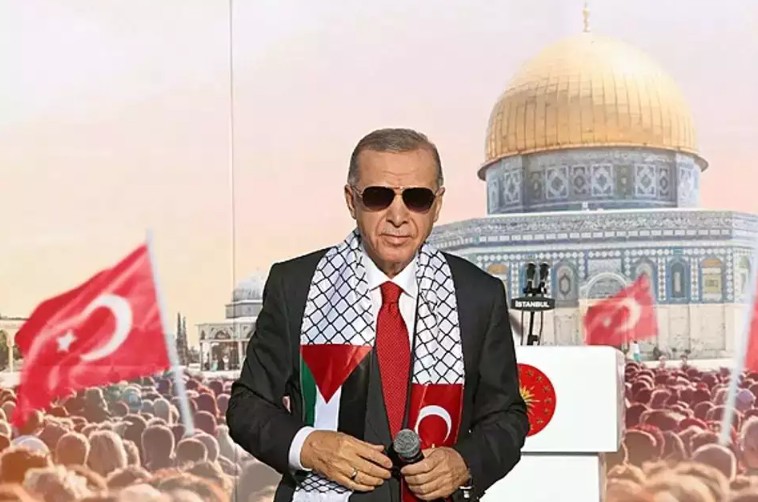
-Οι δύο χώρες μπήκαν στον πόλεμο με πολύ κακές σχέσεις. Αυτό που συνέβη είναι ότι η Τουρκία έχει αλλάξει ουσιαστικά τη στάση της στη Μέση Ανατολή. Συνάδελφοί μου υποστηρίζουν πως η Άγκυρα επιδιώκει να διαμορφώσει έναν νέο ρόλο στην περιοχή, κάποιοι μάλιστα μιλούν για φιλοδοξίες που θυμίζουν ένα είδος «χαλιφάτου» δηλαδή την επιρροή σε ένα μεγάλο μέρος της Μέσης Ανατολής. Δεν είμαι βέβαιος ότι αυτός είναι ο στόχος, αλλά είναι σαφές ότι τέτοιες ιδέες υπάρχουν στη δημόσια συζήτηση στο εσωτερικό της γειτονικής μας χώρας. Η Τουρκία έχει μετακινηθεί από το να είναι σύμμαχος του Ισραήλ στο να είναι αντίπαλός του. Στηρίζει τη Χαμάς, τη χρηματοδοτεί, και μέλη της Χαμάς βρίσκονται εκεί τώρα. Αυτό σημαίνει ότι η Τουρκία λειτουργεί ως κράτος που υποστηρίζει ενέργειες κατά του Ισραήλ, αλλά και γενικότερα συμβάλλει σε εντάσεις στην περιοχή.
Σήμερα, προβάλλει τον εαυτό της ως ένα σουνιτικό κράτος που στηρίζει σουνιτικές χώρες ενώ θεωρεί ότι το Ισραήλ δεν θα έπρεπε να έχει θέση στη Μέση Ανατολή. Αυτό την οδηγεί σε μια πιο σκληρή και ριζοσπαστική στάση. Δεν διαφαίνεται, λοιπόν, κάποια αλλαγή στη στάση της μετά τον πόλεμο. Πιθανότατα θα παραμείνει ένας προβληματικός δρών στην περιοχή, που συμβάλλει σε εντάσεις και τροφοδοτεί συγκρούσεις στη Μέση Ανατολή.
-Πάντως, υπάρχουν αναφορές σε τουρκικά μέσα ενημέρωσης πως αν το Ιράν εξασθενήσει λόγω του πολέμου, η Τουρκία θα είναι ο επόμενος στόχος του Ισραήλ. Ποια είναι η δική σας άποψη;
-Νομίζω ότι όσα ακούμε στα μέσα ενημέρωσης είναι ενδιαφέροντα, αλλά πρέπει να τα αντιμετωπίζουμε με κάποια επιφύλαξη. Είναι γεγονός πως η τουρκική στάση απέναντι στο Ισραήλ έχει αλλάξει πολλές φορές, από στενός σύμμαχος σε εχθρός και ξανά από την αρχή. Επομένως, πολλά εξαρτώνται από το τι εξυπηρετεί την Άγκυρα σε κάθε δεδομένη στιγμή. Ωστόσο, σε στρατιωτικό επίπεδο, είναι ξεκάθαρο για την Τουρκία ότι μια άμεση σύγκρουση με το Ισραήλ θα δημιουργούσε σοβαρά προβλήματα. Έχουμε δει ότι το Ισραήλ λειτουργεί ως μια ισχυρή δύναμη στη Μέση Ανατολή, ακόμη και χωρίς να κάνει χρήση των πυρηνικών του δυνατοτήτων. Σε περίπτωση μεγάλης σύγκρουσης, όπως με την Τουρκία, η κατάσταση θα μπορούσε να οδηγηθεί σε πολύ επικίνδυνα επίπεδα. Εκτίμησή μου είναι πως η κατάσταση δεν θα κλιμακωθεί με μια στρατιωτική αντιπαράθεση και πως η Τουρκία θα συνεχίσει να δρα έμμεσα, στηρίζοντας και χρηματοδοτώντας δρώντες στην περιοχή.
-Ο πόλεμος τι σήμαινε για τις σχέσεις της Κύπρου με το Ισραήλ;
-Ο πόλεμος κατέστησε σαφές για το Ισραήλ είναι πόσο σημαντική είναι η Κύπρος. Αντιλαμβάνεται διαφορετικά τη χώρα σας από ότι στο παρελθόν, πλέον είναι ένας στρατηγικός σύμμαχος που είναι απαραίτητος. Στο τέλος της ημέρας, όταν μιλάμε για Ισραήλ και Κύπρο, μιλάμε για ανθρώπους. Το πραγματικό ερώτημα είναι τι θα κάνουν οι κοινωνίες μετά τον πόλεμο. Ωστόσο, είναι σαφές ότι τα δύο κράτη χρειάζεται να έχουν πολύ στενές σχέσεις, στρατιωτικές, οικονομικές και γενικότερα, γιατί είναι αλληλεξαρτώμενα. Όταν η κατάσταση στο ένα κράτος βελτιώνεται, αυτό επηρεάζει θετικά και το άλλο, και το αντίστροφο.
Αυτό είναι ένα από τα βασικά μαθήματα αυτού του πολέμου: η γεωγραφική εγγύτητα μεταξύ Ισραήλ και Κύπρου συνδέει άμεσα τις δύο πλευρές. Οι σχέσεις αυτές πρέπει να ενισχυθούν, όχι μόνο σε στρατιωτικό επίπεδο, αλλά και σε ένα ευρύτερο πλαίσιο συνεργασίας. Επιπλέον, υπάρχουν και κοινές προκλήσεις και απειλές στην περιοχή, για παράδειγμα σε σχέση με την Τουρκία, κάτι που ενισχύει περαιτέρω την ανάγκη για σύγκλιση.
–Επομένως, είναι πιθανό να δούμε τις δύο χώρες να έρχονται ακόμη πιο κοντά.
-Είναι κάτι πολύ πιθανόν, αν και βέβαια οι αποφάσεις λαμβάνονται από τους πολιτικούς. Όμως πλέον φαίνεται ξεκάθαρα ότι υπάρχει αμοιβαίο όφελος και για τις δύο πλευρές. Το ζήτημα είναι αν όσοι κρατούν τις αποφάσεις στα χέρια τους θα μπορέσουν να αξιοποιήσουν αυτή την ευκαιρία. Αυτό θα πρέπει να είναι και η κατεύθυνση που θα ακολουθήσουν και οι δύο πλευρές.
–Οι ΗΠΑ θα συνεχίσουν να διαδραματίζουν πρωταγωνιστικό ρόλο στη Μέση Ανατολή;
-Τα πάντα εξαρτώνται πραγματικά από το πώς θα τελειώσει ο πόλεμος. Μέχρι στιγμής, έχει καταστεί σαφές ότι οι ΗΠΑ είναι ο ηγετικός παράγοντας στην περιοχή. Έφεραν τη Χαμάς και το Ισραήλ σε κατάπαυση του πυρός, συμμετείχαν ή στήριξαν τις επιχειρήσεις του Ισραήλ στον πόλεμο με το Ιράν και στη συνέχεια παρενέβησαν λέγοντας «σταματήστε τον πόλεμο». Με άλλα λόγια, οι ΗΠΑ διαμόρφωσαν τις εξελίξεις με τους δικούς τους όρους, υποδεικνύοντας στην περιοχή ποια κατεύθυνση πρέπει να ακολουθηθεί.
Το πραγματικό ερώτημα τώρα είναι τι θα συμβεί με το Ιράν. Αν οι ΗΠΑ επιμείνουν στο ζήτημα των πυρηνικών και των πυραύλων, αλλά και στο να διασφαλίσουν ότι οι σύμμαχοί τους, για παράδειγμα οι πετρελαιοπαραγωγές χώρες, μπορούν να διαθέτουν το πετρέλαιό τους ελεύθερα στις διεθνείς αγορές, τότε θα διατηρήσουν την επιρροή τους, ίσως και ισχυρότερη από πριν. Αν όμως αποσυρθούν χωρίς μια ισχυρή και ουσιαστική συμφωνία, αυτό θα σταλεί ως μήνυμα στους λαούς της περιοχής ότι η αμερικανική παρουσία δεν είναι πλέον αρκετή ή αξιόπιστη.
Οι ΗΠΑ πρέπει να αντιληφθούν ότι η κατάσταση είναι εύθραυστη. Το παράδειγμα των Κούρδων είναι χαρακτηριστικό. Οι ΗΠΑ τους στήριξαν και στη συνέχεια απομακρύνθηκαν. Έτσι, όταν σήμερα τους ζητείται να εμπλακούν ή να στηρίξουν νέες επιχειρήσεις, όπως ενδεχομένως κατά του Ιράν, μπορούν να αναρωτηθούν «γιατί να το κάνουμε;». Επομένως, όλα εξαρτώνται από τις αποφάσεις που θα λάβει η Ουάσιγκτον.
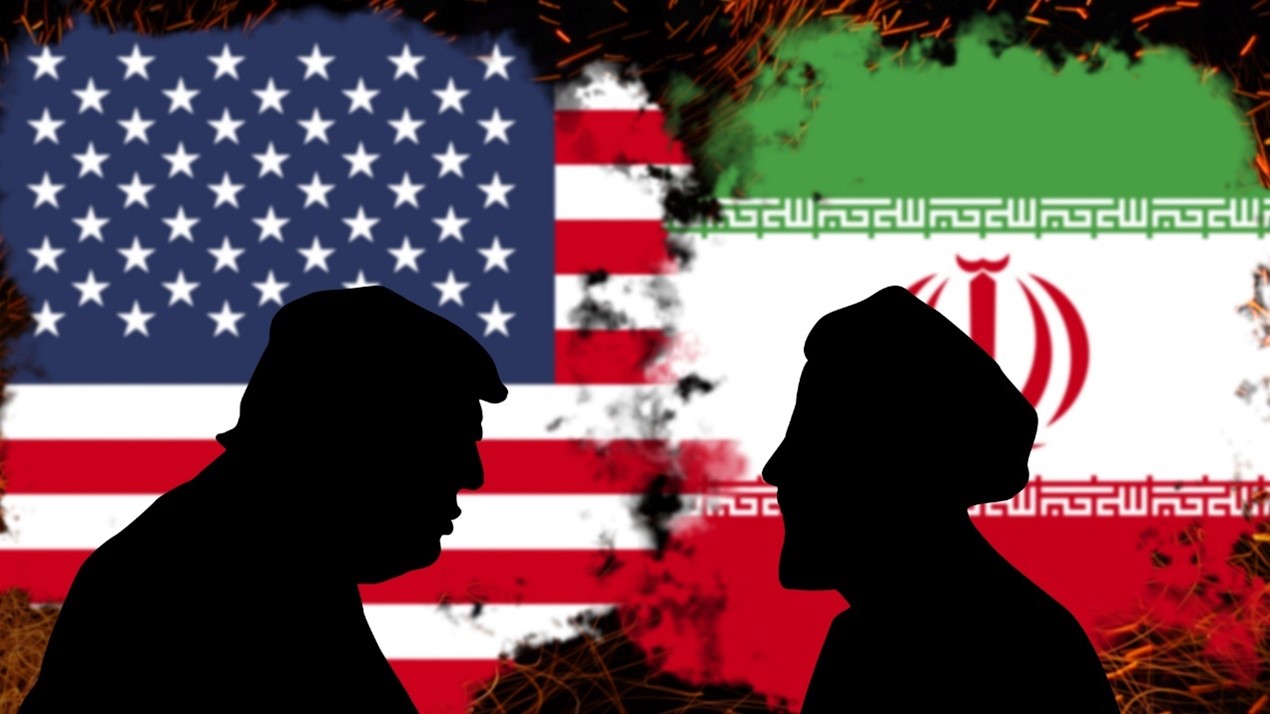
Ο Τραμπ μόνο μπορεί να δώσει τέλος στον πόλεμο
-Ο τρίτος πόλεμος στον Κόλπο ήδη διαρκεί ένα μήνα. Μπορούμε να υπολογίσουμε πότε θα τελειώσει ή και με ποιο τρόπο;
-Είναι αρκετά σαφές πως το τέλος του πολέμου θα καθοριστεί από τον Αμερικανό πρόεδρο. Πάντως, όλες οι πλευρές επιθυμούν να δοθεί ένα τέλος, αν και το Ισραήλ ίσως επιθυμεί να συνεχίσει περισσότερο, καθώς υπάρχουν ακόμη στόχοι προς επίτευξη. Το ζήτημα είναι ότι τώρα, καθώς αρχίζει η συζήτηση για το τέλος, παρατηρείται ένα είδος έντασης. Πρόσφατα η Σαουδική Αραβία και άλλα κράτη του Κόλπου άρχισαν να δηλώνουν ότι δεν επιθυμούν να λήξει ο πόλεμος, ενώ αρχικά ζητούσαν τον τερματισμό του. Ενδεχομένως, αυτό συμβαίνει γιατί ενώ αρχικά αντιτάχθηκαν, τώρα εκτιμούν πως οι πιθανότητες να επιδεινωθεί η κατάσταση σε σχέση με προηγουμένως είναι μεγαλύτερες. Το σημαντικό είναι να διασφαλίσουν ότι το Ιράν δεν θα έχει ένα καθεστώς επικίνδυνο για τις ίδιες.
Ένα ακόμη στοιχείο που πρέπει να θυμόμαστε είναι ότι στην αρχή του πολέμου τόσο το Ισραήλ όσο και οι ΗΠΑ έθεταν ως στόχο τους πυραύλους και τις πυρηνικές δυνατότητες, ενώ παράλληλα εξέφραζαν την ελπίδα ότι ίσως υπάρξει αλλαγή καθεστώτος. Οι προσδοκίες ήταν υψηλές, αλλά οι δυνατότητες να επιτευχθεί κάτι τέτοιο περιορισμένες και αυτό ακριβώς βλέπουμε σήμερα. Επίσις, πρέπει να δούμε με ρεαλισμό τις προσδοκίες να αντιδράσει ο ιρανικός λαός. Οι πολίτες δεν διαθέτουν όπλα, ενώ ο στρατός διαθέτει. Επομένως, οι πιθανότητες να συμβεί κάτι τέτοιο χωρίς τη συμμετοχή του στρατού στο πλευρό των διαδηλωτών είναι πολύ μικρές.
-Το τι συμβαίνει με τις διαπραγματεύσεις δεν είναι ξεκάθαρο. Εσείς έχετε εικόνα τι γίνεται;
-Όπως συμβαίνει πάντα στις διαπραγματεύσεις, ειδικά σε περίοδο πολέμου, οι εμπλεκόμενες πλευρές δεν αποκαλύπτουν όλες τις λεπτομέρειες. Ωστόσο, με βάση όσα προκύπτουν από δημοσιεύματα και πληροφορίες στον Τύπο, φαίνεται ότι υπήρξαν κάποιες επαφές σε αρχικό στάδιο, ακόμη και μέσω ανεπίσημων διαύλων επικοινωνίας. Η βασική γραμμή, σύμφωνα με αυτές τις πληροφορίες, ήταν ότι η ιρανική πλευρά εμφανίστηκε διατεθειμένη να μεταφέρει πυρηνικό υλικό στη Ρωσία, αλλά όχι να σταματήσει την παραγωγή του. Από την άλλη, οι Ιρανοί αρνήθηκαν ότι υπήρξαν διαπραγματεύσεις. Υπάρχουν σχεδιασμοί για συνάντηση την επόμενη εβδομάδα, δηλαδή για μια επίσημη, δια ζώσης επαφή, κάτι που διαφέρει από ανεπίσημες επικοινωνίες ή τηλεφωνικές συνομιλίες.
Παράλληλα, ας μην ξεχνάμε ότι η ιρανική ηγεσία έχει και έναν εσωτερικό ακροατήριο: χρειάζεται να δείξει ότι παραμένει ισχυρή και ότι δεν είναι εκείνη που πιέζεται να τερματίσει τον πόλεμο, αλλά αντίθετα ότι οι ΗΠΑ είναι αυτές που ζητούν την αποκλιμάκωση. Πέρα από τη ρητορική και τις δημόσιες τοποθετήσεις, το ουσιαστικό είναι ότι και οι δύο πλευρές φαίνεται να επιθυμούν τον τερματισμό του πολέμου. Και αυτό είναι κρίσιμο. Ταυτόχρονα, και οι δύο κατανοούν ότι το τέλος του πολέμου πιθανότατα θα βρει το ίδιο καθεστώς στο Ιράν στην εξουσία. Και εδώ βρίσκεται ένα σημαντικό σημείο: μιλάμε για ένα καθεστώς το οποίο, σύμφωνα με ειδικούς που γνωρίζουν πρόσωπα και καταστάσεις εκ των έσω, δεν φαίνεται να έχει βελτιωθεί, αλλά αντίθετα μπορεί να έγινε ακόμη πιο σκληρό και ακραίο.
-Αν οι διαπραγματεύσεις δεν φέρουν κάποιο αποτέλεσμα τι μπορεί να ακολουθήσει;
-Ουσιαστικά, ο πόλεμος μπορεί να συνεχιστεί για αρκετό καιρό ακόμη. Συχνά λέμε ότι οι εμπόλεμες πλευρές θα εξαντληθούν, ότι στο τέλος θα πουν ως εδώ ώστε να τελειώσουν όλα. Όμως, η κατάσταση είναι πιο σύνθετη. Πρέπει να θυμόμαστε τι έχει συμβεί στη Μέση Ανατολή σε μακροχρόνιους πολέμους, όπως στη Συρία, στο Ιράκ ή στην Υεμένη. Εκείνο που συνέβη στην πράξη είναι ότι διαφορετικά μέρη μέσα στο ίδιο κράτος προσπάθησαν να εκμεταλλευτούν το ένα το άλλο. Το αποτέλεσμα δεν ήταν σταθερότητα, αλλά χάος. Και δεν είναι καθόλου εύκολο να ελεγχθεί ένα κράτος χωρίς κεντρική ηγεσία. Αυτό ακριβώς είναι κάτι που θα μπορούσε να συμβεί και στο Ιράν: να κατακερματιστεί σε διαφορετικές περιοχές ή δυνάμεις, οδηγώντας τελικά σε έναν διαρκή πόλεμο.
Κατά καιρούς ακούγεται το επιχείρημα ότι δεν μας αφορά, ότι μπορούν να συγκρούονται μεταξύ τους αρκεί να μην επιτίθενται στις ΗΠΑ, στο Ισραήλ ή στην Ευρώπη. Στην πράξη, όμως, τα πράγματα δεν λειτουργούν έτσι. Μπορούμε να θυμηθούμε τι συνέβη με την Αλ Κάιντα ή με το ISIS, οργανώσεις που μέσα από τέτοιες συνθήκες απέκτησαν τη δυνατότητα να πραγματοποιούν σημαντικές επιθέσεις και να επηρεάζουν ολόκληρες περιοχές. Ελπίζω ότι τόσο ο Ντόναλντ Τραμπ όσο και το Ισραήλ κατανοούν αυτούς τους περιορισμούς και δεν θα οδηγήσουν την κατάσταση στα άκρα, σε σημείο που το κράτος να κατακερματιστεί πλήρως και να μείνει χωρίς έλεγχο. Η ύπαρξη κεντρικής εξουσίας είναι κρίσιμη, γιατί μόνο έτσι υπάρχει κάποιος με τον οποίο μπορείς να συνομιλήσεις και να διαπραγματευτείς.
Amos Nadan: Iran United the Gulf Countries and Other Arab States Against It
The war in the Middle East is not just another conflict in the region; it is a crisis that is reshaping alliances, balances of power, and strategic choices, with consequences that extend far beyond the immediate fronts. According to Amos Nadan, Director of the Moshe Dayan Center, Iran appears to be emerging weakened from the conflict, with its traditional allies following more autonomous strategies, while Arab states are forming an informal front against it. The United States maintains its role as a regulator of developments, while Israel seeks to capitalize on the new data. Turkey is emerging as an unpredictable and increasingly tough actor, repositioning its role in the region and intensifying tensions with Israel. Cyprus is gaining enhanced strategic importance, with its relationship with Israel strengthening and turning into a relationship of interdependence. Strengthening cooperation with Israel, in a military and broader context, is considered important for the security of Cyprus. Nadan estimates that the Eastern Mediterranean is not an immediate target, but Iran's actions affect all countries in the region. Tehran sought to end the war quickly, putting pressure on various countries. Good relations with Israel and the US serve as a security guarantee for Cyprus. The war is redesigning relations between the states of the region, creating new alliances and dissolving old ones. Iran is considered the loser of the case, as its influence has decreased, while Arab states are seeking to strengthen their autonomy and counter the Iranian threat.