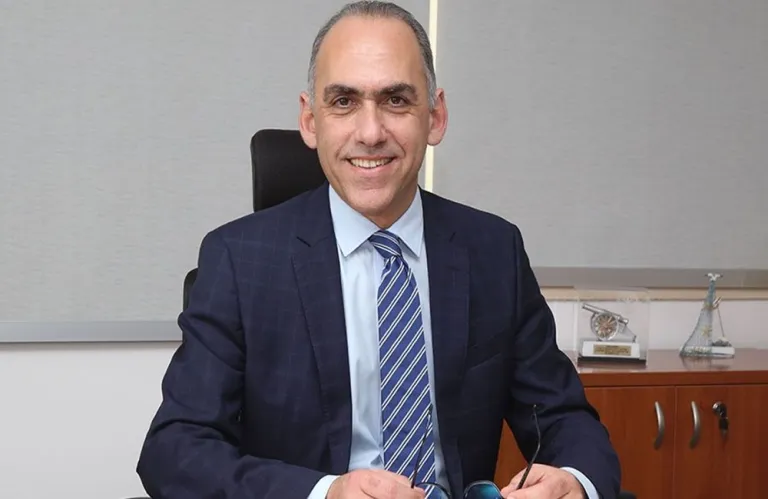
Γράφει ο Χάρης Γεωργιάδης*
Από την 1η Ιανουαρίου 2026 η Κυπριακή Δημοκρατία βρέθηκε για δεύτερη φορά, στην Προεδρία του Συμβουλίου της Ευρωπαϊκής Ένωσης. Πρόκειται για μια ιδιαίτερου πολιτικού συμβολισμού ευκαιρία, η οποία θα επιτρέψει στην Κύπρο να αναδειχθεί ως αξιόπιστο κράτος μέλος, ικανό να διαδραματίσει ουσιαστικό ρόλο, ιδίως στην ευρύτερη περιοχή της Μεσογείου.
Ταυτόχρονα, όμως, συνιστά και μια αυξημένη ευθύνη, καθώς η ανάληψη της Προεδρίας επισυμβαίνει σε μια περίοδο κατά την οποία η ΕΕ βρίσκεται αντιμέτωπη με σύνθετες και σοβαρές προκλήσεις, τόσο στο εσωτερικό της όσο και στο διεθνές περιβάλλον.
Το γεγονός ότι στο πηδάλιο της ΕΕ θα βρεθεί ένα κράτος που το 1974 δέχθηκε ανυπολόγιστο πλήγμα και εξακολουθεί να φέρει την ανοικτή πληγή της τουρκικής κατοχής, επιβεβαιώνει ότι η ένταξη της Κύπρου υπήρξε ένα από τα σημαντικότερα επιτεύγματα στη σύγχρονη πολιτική ιστορία του ελληνισμού. Και αυτό διότι ουδόλως ήταν δεδομένο ότι η Κυπριακή Δημοκρατία θα κατάφερνε να επιβιώσει, να ορθοποδήσει και να βρει, τελικά, ισότιμη θέση στη μεγάλη πολιτική οικογένεια της Ευρώπης. Ούτε, άλλωστε, υπήρξε ανέκαθεν ευρωπαϊκός και δυτικός ο προσανατολισμός της Κύπρου.
Αντιθέτως, τη δεκαετία του ‘60, αμέσως μετά την Ανεξαρτησία, ο πρόεδρος Μακάριος επέλεξε να ακολουθήσει τον «Τρίτο Δρόμο». Ενέταξε την Κύπρο στο Κίνημα των Αδεσμεύτων και φλέρταρε ανοικτά με τη Σοβιετική Ένωση, στο πλαίσιο μιας πολιτικής εξισορρόπησης των διεθνών επιρροών, όπως ο ίδιος την αντιλαμβανόταν. Θεωρούσε, με άλλα λόγια, ο Μακάριος, ότι με μια ακροσφαλή διπλωματία, παίζοντας πότε με τη Δύση και πότε με την Ανατολή, θα μπορούσε να προωθήσει τα συμφέροντα της Κύπρου. Η εξέλιξη κατέδειξε ότι η επιλογή αυτή άφησε τελικά την Κύπρο εκτεθειμένη.
Μετά την τουρκική εισβολή και υπό το βάρος της αντίληψης ότι το ΝΑΤΟ δεν την είχε αποτρέψει, το αντιδυτικό κλίμα εντάθηκε. Χαρακτηριστικό είναι ότι στα τέλη της δεκαετίας του ‘70 μόνο ο Δημοκρατικός Συναγερμός, το κόμμα που είχε ιδρύσει ο Γλαύκος Κληρίδης, διατηρούσε ξεκάθαρη φιλοδυτική και φιλοευρωπαϊκή στάση.
Πολύ πιο αποφασιστικά προς την τότε Ευρωπαϊκή Κοινότητα κινήθηκε η Ελλάδα, με πρωταγωνιστή τον πρωθυπουργό Κωνσταντίνο Καραμανλή. Ο Καραμανλής αντιλαμβανόταν πλήρως ότι η ένταξη θα εδραίωνε τη δημοκρατική μετάβαση, θα αναβάθμιζε γεωπολιτικά την Ελλάδα και θα ενίσχυε τη θέση της έναντι της Τουρκίας. Χάρη στη διορατικότητα και τους χειρισμούς του, η Ελλάδα όχι μόνο προηγήθηκε της Τουρκίας –με την οποία έως τότε ακολουθούσε παράλληλη πορεία σε σχέση με την ευρωπαϊκή της προοπτική– αλλά δημιούργησε τις προϋποθέσεις ώστε να ανοίξει τον δρόμο και για την Κύπρο.
Πράγματι, η συμμετοχή της Ελλάδας άρχισε σταδιακά να ωθεί την Κύπρο προς την Ευρώπη, μέσα από μια προσέγγιση που εξελίχθηκε προοδευτικά και με πολλές επιφυλάξεις.
Σημαντικό βήμα έγινε το 1987, όταν, επί διακυβέρνησης Σπύρου Κυπριανού και με τη στήριξη της Ελλάδας, η Κύπρος προσχώρησε σε Συμφωνία Τελωνειακής Σύνδεσης με την ΕΚ. Η συμφωνία αυτή είχε βαθιά πολιτική σημασία, καθώς αποτελούσε ηχηρή επιβεβαίωση της νομιμοποίησης της Κυπριακής Δημοκρατίας και προσέδιδε νέα θεσμική διάσταση στις σχέσεις της με την Κοινότητα, ακόμη και με το Κυπριακό άλυτο.
Παράλληλα, ο ευρωπαϊκός αναπροσανατολισμός της κυπριακής οικονομίας επιβεβαίωνε την ανέλπιστα θετική της πορεία μετά το πλήγμα του 1974. Οι δυσοίωνες εκτιμήσεις για το οικονομικό μέλλον των Ελλήνων της Κύπρου μετά την εισβολή διαψεύστηκαν πλήρως. Αντιθέτως, η Κύπρος κατάφερε να μετατρέψει την οικονομία σε σημαντικό πλεονέκτημα. Με όπλο την οικονομία και με τη συστηματική ενθάρρυνση διαδοχικών ελληνικών κυβερνήσεων, ο ευρωπαϊκός προσανατολισμός της Κύπρου άρχισε να αποκτά δυναμική.
Η ιδέα για υποβολή αίτησης πλήρους ένταξης είχε διαμορφωθεί στο ελληνικό Υπουργείο Εξωτερικών στα τέλη της δεκαετίας του ‘80, με καθοριστική τη συμβολή των Θεόδωρου Πάγκαλου και Γιάννου Κρανιδιώτη.
Ωστόσο, ο τότε πρόεδρος της Κύπρου, Γιώργος Βασιλείου, ήταν αρχικά πολιτικά δεσμευμένος από το ΑΚΕΛ, το κόμμα της κυπριακής αριστεράς, με τις ψήφους του οποίου είχε εκλεγεί. Όπως είχε χαρακτηριστικά αναφέρει ο Θεόδωρος Πάγκαλος, «η Λευκωσία δεν ήταν έτοιμη.
Το ΑΚΕΛ υιοθετούσε τότε μια παραδοσιακά αντιευρωπαϊκή συμπεριφορά και η (σοσιαλιστική) ΕΔΕΚ ήταν σαγηνευμένη από το παρελθόν και τις ειδικές σχέσεις με τους Αδέσμευτους». Απέναντι στην άρνηση του ΑΚΕΛ και την επιφυλακτική στάση του Βασιλείου, ο Δημοκρατικός Συναγερμός του Κληρίδη αλλά και το Δημοκρατικό Κόμμα του Κυπριανού άρχισαν να ασκούν όλο και εντονότερη πολιτική πίεση, υποστηριζόμενα τελικά και από την ΕΔΕΚ, η οποία μετάβαλε τη στάση της.
Τον Απρίλιο του 1990 ο ηγέτης της Νέας Δημοκρατίας Κωνσταντίνος Μητσοτάκης έλαβε την εντολή σχηματισμού Κυβέρνησης και η θέση του υπέρ της αίτησης ένταξης ήταν ξεκάθαρη. Είχε προηγηθεί λίγους μήνες νωρίτερα η κοσμογονία της κατάρρευσης του κομμουνιστικού μπλοκ και το τέλος του Ψυχρού Πολέμου. Τα τοπικά και διεθνή πολιτικά δεδομένα είχαν πλέον ευθυγραμμιστεί και έτσι, στις 4 Ιουλίου 1990, ο πρόεδρος Βασιλείου υπέβαλε επίσημα το αίτημα για πλήρη ένταξη της Κύπρου. Ύστερα από τρεις δεκαετίες τριτοκοσμικής περιπλάνησης, η Κύπρος δήλωνε με σαφήνεια την επιθυμία της να συμπορευτεί με την Ευρώπη και τη Δύση.
Από την αίτηση μέχρι την ένταξη μεσολάβησε, βέβαια, μια μακρά και επίπονη διαδρομή. Στις ευρωπαϊκές πρωτεύουσες η ένταξη της Κύπρου με άλυτο το Κυπριακό αρχικά θεωρείτο αδιανόητη. Τα κράτη μέλη πολύ δύσκολα θα μπορούσαν να αποδεχτούν την ένταξη ενός κράτους με ανοικτό πρόβλημα ξένης κατοχής, κάτι που θα καθιστούσε το Κυπριακό σε εσωτερικό ζήτημα της Ένωσης.
Ούτε, άλλωστε, επιθυμούσαν να αποξενώσουν περαιτέρω την Τουρκία η οποία, παρά το τέλος του Ψυχρού Πολέμου, εξακολουθούσε να θεωρείται σημαντικός στρατηγικός εταίρος. Θα απαιτούνταν άλλα δώδεκα χρόνια εντατικής διπλωματικής προσπάθειας από Αθήνα και Λευκωσία, καθώς και η πολιτική μαεστρία του προέδρου Γλαύκου Κληρίδη, μέχρι την επιτυχή κατάληξη.
Η Σύνοδος Κορυφής της Κοπεγχάγης, στις 12-13 Δεκεμβρίου 2002, ήταν εκείνη που έλαβε την απόφαση για την ιστορική διεύρυνση της Ένωσης με δέκα νέα κράτη μέλη, στα οποία συμπεριλαμβανόταν και η Κυπριακή Δημοκρατία. Ήταν, χωρίς αμφιβολία, η σημαντικότερη πράξη θωράκισης του κυπριακού ελληνισμού και αμφισβήτησης της τουρκικής πολιτικής για την Κύπρο.
Η πρώτη δεκαετία της Κύπρου ως κράτους μέλους, δεν υπήρξε η καλύτερη δυνατή. Η απόφαση του προέδρου Τάσσου Παπαδόπουλου να αποδεχθεί τη διεξαγωγή δημοψηφίσματος επί του Σχεδίου Ανάν για τη λύση του Κυπριακού, την άνοιξη του 2004 -παραμονές της ένταξης– και να καλέσει στη συνέχεια σε απόρριψή του, υπήρξε στην αντίληψη των ευρωπαίων εταίρων ατυχής, με αποτέλεσμα η ελληνική κυπριακή πλευρά να απωλέσει το ηθικό πλεονέκτημα και η Τουρκία, σε μεγάλο βαθμό, να αποενοχοποιηθεί.
Στο μέτωπο της οικονομίας, λίγο μετά την ένταξη στην Ευρωζώνη, την 1η Ιανουαρίου 2008, η Κύπρος οδηγήθηκε στη σοβαρότερη οικονομική κρίση που είχε να αντιμετωπίσει μετά το 1974. Ως αποτέλεσμα συσσωρευμένων λαθών και παραλείψεων, που σημειώθηκαν κυρίως επί διακυβέρνησης ΑΚΕΛ, η άλλοτε δυναμική κυπριακή οικονομία εκτροχιάστηκε και οδηγήθηκε σε βαθιά ύφεση. Η έκταση και η ένταση της κρίσης, που κορυφώθηκε το 2013, ήταν τέτοια που άφησε την Κύπρο σε ιδιαίτερα αποδυναμωμένη θέση, ενώ οι αναφορές του προέδρου Χριστόφια στις κομμουνιστικές του προσεγγίσεις, κατά τη διάρκεια της πρώτης κυπριακής Προεδρίας της ΕΕ, επιβάρυναν περαιτέρω την πολιτική θέση της χώρας.
Με την επάνοδο του Δημοκρατικού Συναγερμού στη διακυβέρνηση, με πρόεδρο τον Νίκο Αναστασιάδη, η Κύπρος επανήλθε με αυτοπεποίθηση σε τροχιά πολιτικής προόδου και οικονομικής ανάπτυξης. Αποτελεί σήμερα μια ώριμη φιλελεύθερη δημοκρατία, ανήκει στον σκληρό πυρήνα της ΕΕ και κατατάσσεται στην 30ή θέση παγκοσμίως ως προς το κατά κεφαλήν εισόδημα, πλησίον κρατών όπως η Ισπανία και η Ιταλία.
Ασκεί πλέον σαφώς δυτικόστροφη εξωτερική πολιτική, αναπτύσσει όλο και στενότερες σχέσεις με τις Ηνωμένες Πολιτείες και επενδύει στην άμυνά της. Διατηρεί άριστες σχέσεις τόσο με το Ισραήλ όσο και με τα μετριοπαθή αραβικά κράτη της περιοχής και, μαζί με την Ελλάδα, συμμετέχει σε περιφερειακές συνεργασίες που δημιουργούν σημαντικά πολιτικά ερείσματα.
Παρά το μικρό της μέγεθος και τη συνεχιζόμενη κατοχή, χωρίς υπερεκτίμηση των δυνατοτήτων της ή υποτίμηση των προκλήσεων που εξακολουθεί να αντιμετωπίζει, η Κύπρος αναλαμβάνει το πηδάλιο της ΕΕ από σαφώς ενισχυμένη θέση.
Έχει, έτσι, όχι μόνο την ευκαιρία αλλά και την υποχρέωση να συμβάλει στην προσπάθεια της Ένωσης να καταστεί, με πιο αποτελεσματικό τρόπο, ένας χώρος ελευθερίας, δημοκρατίας, ασφάλειας και βιώσιμης ανάπτυξης. Ουσιαστικά, η Κύπρος οφείλει να συμβάλει σε μια αναγκαία ευρωπαϊκή αφύπνιση.
Μια αφύπνιση που θα ξεκινά από την οικονομία, με αντιστροφή των πολιτικών της υπέρμετρης ρύθμισης, της αχρείαστης γραφειοκρατίας και της δυσβάστακτης φορολογίας, και με έμφαση σε πολιτικές που ενθαρρύνουν τις επενδύσεις, την καινοτομία και την επιχειρηματικότητα.
Και που, την ίδια στιγμή, θα θέτει την άμυνα, την ασφάλεια και την αυτονομία της Ευρώπης, στον πυρήνα των ευρωπαϊκών προτεραιοτήτων. Αυτή είναι η Ευρώπη που χρειαζόμαστε και προς αυτή την κατεύθυνση οφείλει να εστιάσει η κυπριακή προεδρία.
* Ο Χάρης Γεωργιάδης είναι πρόεδρος της Επιτροπής Εξωτερικών και Ευρωπαϊκών Υποθέσεων της Βουλής των Αντιπροσώπων, πρόεδρος του Ινστιτούτου Γλαύκος Κληρίδης και πρώην υπουργός Οικονομικών της Κυπριακής Δημοκρατίας.
Αναδημοσίευση από το https://www.mononews.gr/
Cyprus: From Non-Aligned and Crises to the Helm of the European Union
Cyprus will assume the Presidency of the Council of the European Union for the second time starting January 1, 2026. This undertaking holds particular political significance, as it allows Cyprus to emerge as a reliable member of the EU, capable of playing a substantial role, especially in the Mediterranean region. However, the Presidency comes with increased responsibility, given the complex challenges facing the EU both internally and in the international environment. The assumption of the Presidency by a state that suffered significant losses in 1974 and continues to face Turkish occupation underscores the success of Cyprus's accession to the EU. The historical course of Cyprus towards Europe has not always been certain. In the 1960s, President Makarios followed the “Third Way,” incorporating Cyprus into the Non-Aligned Movement and flirting with the Soviet Union. This policy of balance proved to be wrong, leaving Cyprus exposed. Following the Turkish invasion, the pro-Western stance was strengthened, with the Democratic Rally remaining a steadfast supporter of Europe. Greece, under the leadership of Konstantinos Karamanlis, played a crucial role in Cyprus's European prospects, paving the way for its accession to the EU.
You Might Also Like

H Kύπρος αναλαμβάνει τα ηνία της ΕΕ – «Στιγμή υπερηφάνειας»
Jan 1
H Kύπρος αναλαμβάνει τα ηνία της ΕΕ-«Θα εργαστούμε για να δώσουμε νέα ώθηση στο ευρωπαϊκό οικοδόμημα»
Jan 1

Η μικρή Κύπρος ανέλαβε σήμερα την προεδρία της ΕΕ – Οι προτεραιότητες, οι συναντήσεις και τα στατιστικά
Jan 1
Κωνσταντίνος Κόμπος: Η Τουρκία έχει να επιλέξει εάν θα επιμείνει στον αυτοαποκλεισμό της
Jan 4
Μαρίνα Χατζημανώλη: Η ναυτιλία δυνατό χαρτί για την κυπριακή οικονομία με συνεισφορά πάνω από 7% στο ΑΕΠ
Jan 4