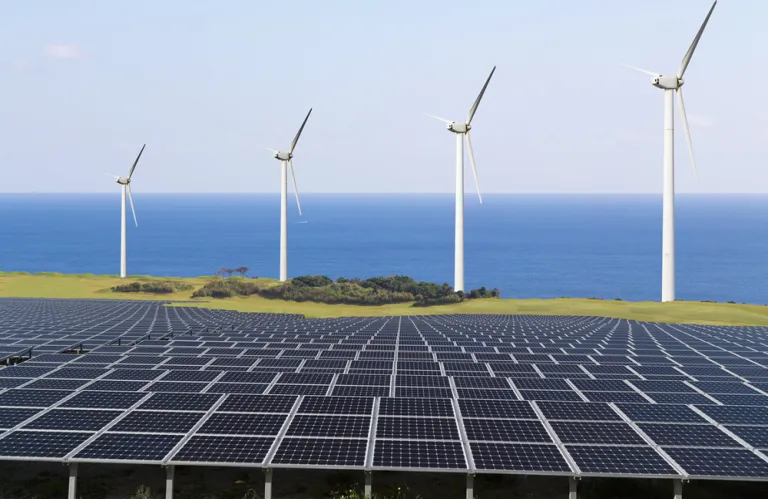
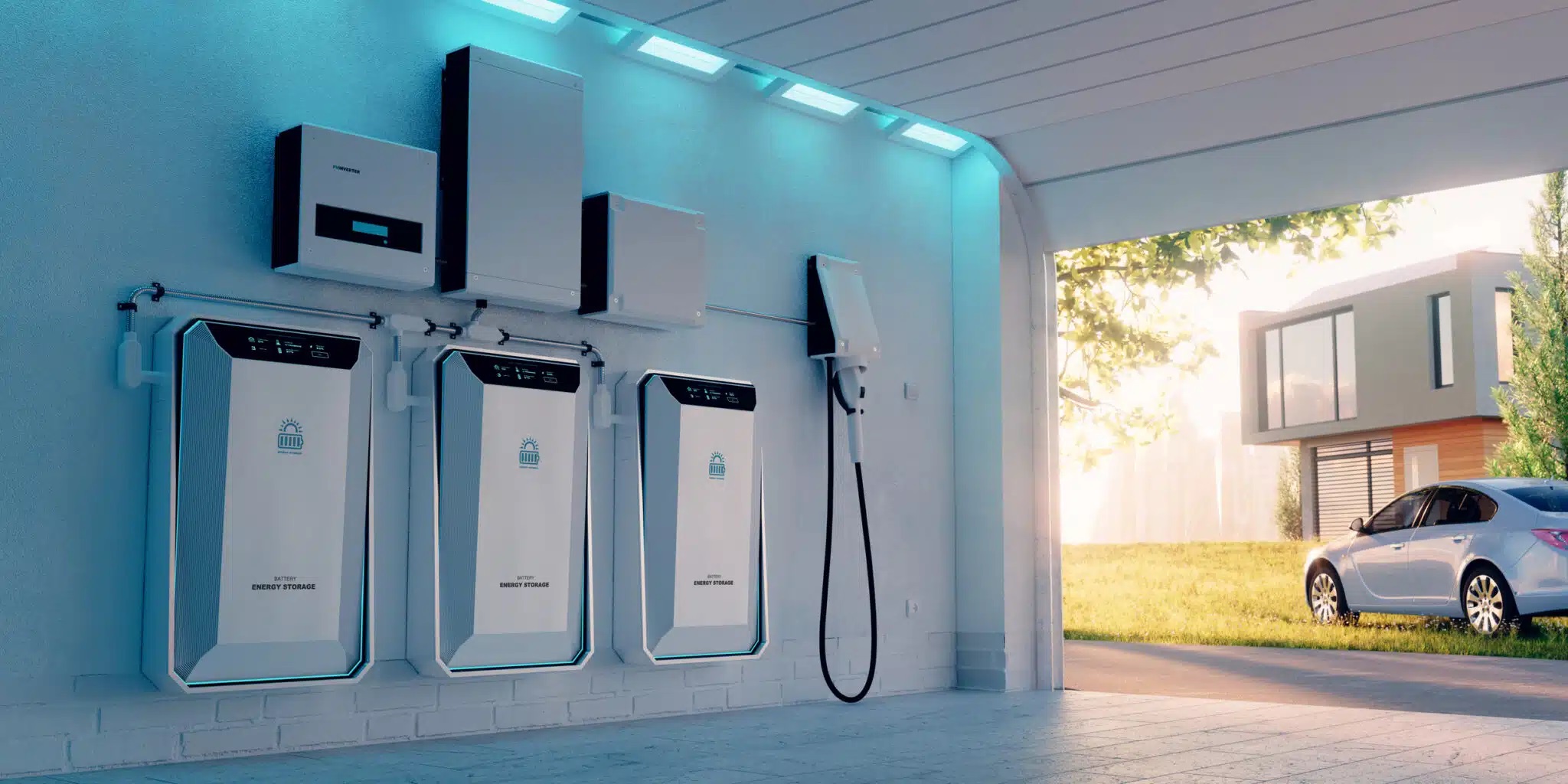
Μεγάλη καθυστέρηση παρατηρείται στην εξαγγελία του νέου κυβερνητικού σχεδίου για εγκατάσταση φωτοβολταϊκών συστημάτων και μπαταριών αποθήκευσης σε οικίες. Ο τέως Υπουργός Ενέργειας, Γιώργος Παπαναστασίου είχε δηλώσεις ουκ ολίγες φορές ότι το σχέδιο θα ήταν έτοιμο μέχρι τις αρχές του χρόνου. Ωστόσο, σύμφωνα με τα όσα δήλωσε στο Οmega Channel, ο νυν Υπουργός Ενέργειας, οι αιτήσεις δεν αναμένεται να ανοίξουν πριν από τον Απρίλιο.
«Το νέο σχέδιο για οικιακά φωτοβολταϊκά θα είναι προς διαβούλευση εντός των επόμενων ημερών του Ιανουαρίου. Το σχέδιο θα είναι συνδεδεμένο και με αποθήκευση και εντός Μαρτίου ή Απριλίου όλα θα είναι έτοιμα για να γίνονται και οι πρώτες αιτήσεις», δήλωσε ο Υπουργός Ενέργειας, Μιχάλης Δαμιανός.
Το νέο σχέδιο της Κυβέρνησης διαφοροποιείται από το προηγούμενο, μίας και αλλάζει ο τρόπος υπολογισμού της ενέργειας, ενώ για να είναι κάποιος δικαιούχος θα πρέπει να εγκαταστήσει εκτός από φωτοβολταϊκά και μπαταρίες αποθήκευσης.
Σε νέα εποχή περνά το 2026 η αυτοπαραγωγή ενέργειας στην Κύπρο. Από το net mettering στο net billing. Συγκεκριμένα, στο net billing η ενέργεια που παράγει ο καταναλωτής συμψηφίζεται με το ρεύμα που καταναλώνει, αλλά σε χρήματα. Για παράδειγμα (ΓΡΑΦΙΚΟ) αν κάποιος που έχει φωτοβολταϊκά παράγει ρεύμα αξίας 80 ευρώ και καταναλώσει ρεύμα από το δίκτυο αξίας 120 ευρώ θα πληρώσει 40 ευρώ.
ΠΩΣ ΛΕΙΤΟΥΡΓΕΙ ΤΟ NET BILLING
Αντιθέτως, στο net metering το ρεύμα που παράγει ο καταναλωτής συμψηφίζεται με τις κιλοβατώρες που καταναλώνει. Για παράδειγμα αν παράξει 1.000 κιλοβατώρες και καταναλώσει 1200 κιλαβατώρες, θα πληρώσει τις 200 κιλοβατώρες.
ΠΩΣ ΛΕΙΤΟΥΡΓΕΙ ΤΟ NET METTERING
Το net metering είναι πιο ευνοϊκό για τον καταναλωτή με μεγαλύτερο οικονομικό όφελος, καθώς δεν τον επηρεάζει αν η τιμή του ρεύματος ανεβαίνει ή κατεβαίνει, αφού ο συμψηφισμός γίνεται σε ενέργεια και όχι σε χρήματα.
Domestic Photovoltaics: Former and Current Ministers Disagree - Eligibility Conditions Change

A delay is observed in the announcement of the new government plan for the installation of photovoltaic systems and energy storage batteries in homes. The former Minister of Energy had stated that the plan would be ready by the beginning of the year, however the current Minister, Michalis Damianou, stated that applications are not expected to open before April. The new plan differs from the previous one in the way energy is calculated and requires the installation of energy storage batteries to be eligible. A significant element of the new plan is the transition from the net metering system to net billing from 2026. In net billing, the energy produced by the consumer is offset against the electricity consumed, but in monetary terms. For example, with net billing, if someone with photovoltaics produces electricity worth 80 euros and consumes electricity worth 120 euros, they will pay 40 euros. In contrast, in net metering, the electricity produced by the consumer is offset against the kilowatt-hours consumed. For example, if they produce 1,000 kilowatt-hours and consume 1,200 kilowatt-hours, they will pay for the 200 kilowatt-hours not covered by their production. Net metering is considered more beneficial for the consumer, as it is not affected by fluctuations in electricity prices, since the offset is made in energy and not in money. This change in the offsetting system is expected to affect the financial viability of domestic photovoltaic systems, as the value of the energy produced will depend on the current price of electricity. The government is expected to present the plan for consultation within January, with the aim of starting applications in March or April.