Του Δρος Σοφοκλή Σοφοκλέους*
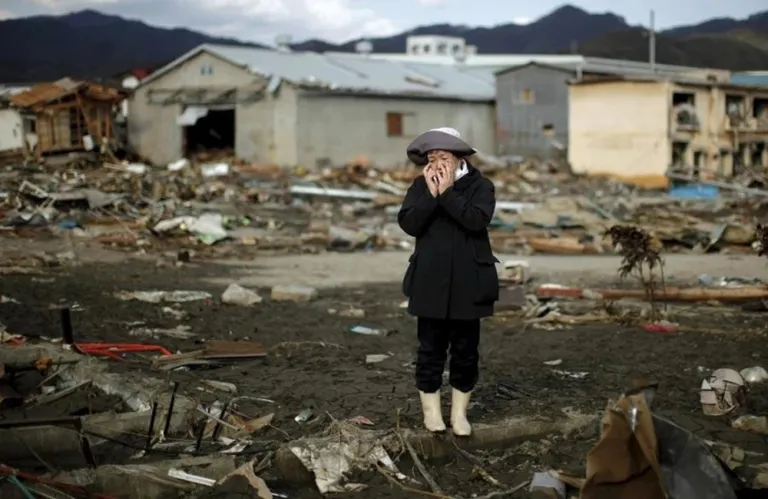
Πριν από 15 χρόνια, συνέβη στην Ιαπωνία μια από τις σοβαρότερες καταστροφές στην ειρηνική χρήση της πυρηνικής ενέργειας. Στις 11 Μαρτίου 2011, ένας ισχυρός σεισμός στον ειρηνικό ωκεανό προκάλεσε τσουνάμι του οποίου τα κύματα, ύψους έως και 15 μέτρα, έπληξαν το εργοστάσιο παραγωγής ενέργειας Fukushima Daiichi. Υπήρξε πλήρης διακοπή ρεύματος σε τέσσερα μπλοκ αντιδραστήρων. Τα συστήματα έκτακτης ανάγκης για τροφοδοσία ηλεκτρικής ενέργεια και συνεπώς η ψύξη των πυρήνων του αντιδραστήρα κατέρρευσαν. Ακολούθησαν τρεις τήξεις πυρήνων και αρκετές εκρήξεις υδρογόνου (βόμβα υδρογόνου), απελευθερώνοντας μεγάλες ποσότητες ραδιενεργών υλικών στο περιβάλλον. Θέμα τύχης θεωρείται το γεγονός ότι περίπου 80% κατέληξαν στη θάλασσα.
Περισσότεροι από 160.000 άνθρωποι χρειάστηκε να απομακρυνθούν ή να τραπούν σε φυγή, μεγάλες εκτάσεις γης μολύνθηκαν με ραδιενέργεια, η γεωργική χρήση και η οικονομική δραστηριότητα περιορίστηκαν μαζικά. Η Ιαπωνία έκλεισε όλους (54 αντιδραστήρες σε 17 εργοστάσια) τους εγχώριους πυρηνικούς σταθμούς και μέχρι σήμερα μόνο 15 (από το 2011 κάθε χρόνο ένας) μπήκαν ξανά σε λειτουργία. Κοιτάζοντας πίσω, ο τότε πρωθυπουργός Naoto Kan ανέφερε ότι είχε συζητηθεί ακόμη και η εκκένωση της ευρύτερης περιοχής του Τόκιο, δηλ. μέχρι 50 εκ. ανθρώπους και ότι μόνο η ευνοϊκή κατεύθυνση του ανέμου εμπόδισε τα ραδιενεργά σύννεφα να κινηθούν προς τη μητρόπολη. Με απλά λόγια η Ιαπωνία είχε τύχη.
Η Φουκουσίμα είναι ένα από μια σειρά σοβαρών πυρηνικών ατυχημάτων με σημαντική έκλυση ραδιενέργειας, συμπεριλαμβανομένων των Kyshtym (ΕΣΣΔ 1957), Windscale (Μεγάλη Βρετανία 1957), Three Mile Island (ΗΠΑ 1979) και Τσερνομπίλ (ΕΣΣΔ 1982 και 1986). Ιδιαίτερα στα πυρηνικά ατυχήματα συχνά παίζουν ρόλο διάφοροι παράγοντες: φυσικές καταστροφές, τεχνικό ή ανθρώπινο λάθος, τεχνολογική αστοχία (μη εφαρμογή πρωτοκόλλων), αλλά και διαρθρωτικά ελλείμματα στην αδειοδότηση και την εποπτεία. Το τελευταίο είναι ιδιαίτερο της Ιαπωνίας λόγου παραδοσιακής κουλτούρας μη σύγκρουσης.
Στην Ιαπωνία η επίσημη έρευνα για τα αίτια της καταστροφής κατέληξε σε ένα σαφές συμπέρασμα: Αν και ο σεισμός ήταν το άμεσο έναυσμα, μια καταστροφή αυτού του μεγέθους θα μπορούσε ενδεχομένως να είχε αποφευχθεί. Ήταν γνωστό ότι στην περιοχή ήταν πιθανά τσουνάμι τέτοιου μεγέθους, αλλά αυτό το σενάριο απειλής δεν συμπεριλήφθηκε επαρκώς στις αναλύσεις ασφαλείας του πυρηνικού σταθμού. Η κατηγορία, ότι δεν εξήγαγε τα αναγκαία συμπεράσματα από αυτή την γνώση πρέπει να διατυπωθεί προς την ιαπωνική ρυθμιστική αρχή. Θα έπρεπε να επιβάλει ειδικές απαιτήσεις ασφαλείας για το εργοστάσιο και να είχε υποχρεώσει την διαχειρίστρια εταιρεία TEPCO να προβεί σε εκτεταμένες μετασκευές.
Το κράτος, το οποίο υποτίθεται ότι διασφαλίζει την ασφάλεια του πληθυσμού μέσω κανονισμών ασφαλείας, αδειοδότησης και εποπτικών διαδικασιών, δεν είχε εκπληρώσει τη βασική του λειτουργία. Η ιαπωνική εξεταστική επιτροπή για την αντιμετώπιση της καταστροφής είδε την έλλειψη ανεξαρτησίας του οργανισμού ως τον λόγο αυτής της αποτυχίας: «Το ατύχημα στον πυρηνικό σταθμό TEPCO Fukushima προέκυψε από «συμπαιγνία» μεταξύ της κυβέρνησης, των ρυθμιστικών αρχών και της TEPCO».
Η καταστροφή όχι μόνο έκανε για άλλη μια φορά το παγκόσμιο κοινό να συνειδητοποιήσει τους εγγενείς κινδύνους της πυρηνικής ενέργειας, αλλά ήταν επίσης ένα εντυπωσιακό αρνητικό παράδειγμα της τεράστιας ζημιάς που μπορεί να προκληθεί εάν οι ρυθμιστικές αρχές δεν εκτελούν την προστατευτική τους λειτουργία ανεξάρτητα, επαγγελματικά, αυστηρά και δυναμικά. Δυστυχώς, η πιθανότητα να συμβεί ξανά αυτό αυξάνεται επί του παρόντος και η Φουκουσίμα δεν θα είναι η τελευταία περίπτωση σημαντικού πυρηνικού ατυχήματος λόγω έλλειψης κανονισμών ασφαλείας.
Ο υπολειπόμενος κίνδυνος παραμένει
Πλησιάζοντας την τοποθεσία Fukushima Daiichi σήμερα, ανοίγει ένας εκτεταμένος χώρος γεμάτος κτίρια, με εκατοντάδες δεξαμενές νερού, σωλήνες και υπαλλήλους με προστατευτικές στολές. Τα τελευταία 15 χρόνια, δημιουργήθηκε μια τεράστια τεχνική υποδομή για τη σταθεροποίηση της κατάστασης των κατεστραμμένων αντιδραστήρων. Λαμβάνοντας υπόψη ότι μόνο μερικά γραμμάρια από τα λιωμένα στοιχεία καυσίμου υψηλής ραδιενέργειας έχουν ανακτηθεί μέχρι σήμερα και ότι σχεδόν 1000 μονάδες τέτοιου καυσίμου υψηλής ραδιενέργειας εξακολουθούν να βρίσκονται στις δεξαμενές αποθήκευσης, θα χρειαστούν πιθανώς πολλές δεκαετίες μέχρι να ολοκληρωθεί η πλήρης αποξήλωση και ασφαλής αποθήκευση όλων των κατεστραμμένων συστημάτων. Μέχρι σήμερα δεν υπάρχει επίσημο και γενικά κατανοητό χρονοδιάγραμμα και σχέδιο κόστους για όλα αυτά. Ανεξάρτητες εκτιμήσεις ανεβάζουν το απαιτούμενο ποσό σε αρκετές εκατοντάδες δισεκατομμύρια δολάρια.
Η Φουκουσίμα δεν αφήνει καμία αμφιβολία ότι ακόμη και σε χώρες υψηλής τεχνολογίας, οι εναπομείναντες κίνδυνοι της πυρηνικής ενέργειας δεν μπορούν να ελεγχθούν με απόλυτη βεβαιότητα. Εάν τα κράτη είναι πρόθυμα να αναλάβουν αυτόν τον κίνδυνο, απαιτείται τουλάχιστον ισχυρή διαχείριση ασφάλειας για τη λειτουργία αυτών των εγκαταστάσεων. Σε αυτό το πλαίσιο, είναι θεμιτό να τεθεί το ζήτημα της αποτελεσματικότητας των διαδικασιών έγκρισης και να απαιτηθεί λογοδοσία από τις ρυθμιστικές αρχές. Ωστόσο, οι ενδελεχείς έλεγχοι και οι τεκμηριωμένες αναλύσεις ασφαλείας έρχονται σε αντίθεση με μια πολιτική ατζέντα αναστάτωσης που δίνει προτεραιότητα στην ταχύτητα έναντι της προφύλαξης. Θα ήταν επικίνδυνο οι εξελίξεις στις ΗΠΑ, όπου τα τελευταία χρόνια γίνονται προσπάθειες αποδυνάμωσης της υπηρεσίας πυρηνικής ασφάλειας, να δημιουργήσουν προηγούμενο και οι ρυθμιστικές αρχές να δεχθούν πυρά μόλις διαψευστούν οι τεχνολογικές και οικονομικές προσδοκίες των επενδυτών. Δυστυχώς, οι υψηλοί και μη ρεαλιστικοί στόχοι επέκτασης των διεθνών πρωτοβουλιών/επενδύσεων για την πυρηνική ενέργεια προμηνύουν ήδη αυτή την απογοήτευση και το ζήτημα των αρμόδιων θεσμών.
Μια τεχνικά υγιής γραφειοκρατία μέσω διαδικασιών εποπτείας και αδειοδότησης στον πυρηνικό τομέα είναι ένα ουσιαστικό συστατικό της παγκόσμιας αρχιτεκτονικής ασφαλείας. Αυτό είναι το πικρά πληρωμένο μάθημα όχι μόνο από την καταστροφή της Φουκουσίμα. Σήμερα, περισσότερο από ποτέ, οι υπηρεσίες ασφαλείας πρέπει να αντισταθούν στην τεχνολογική ευφορία και τα οικονομικά συμφέροντα και να διατηρήσουν την επαγγελματική τους ανεξαρτησία. Εάν οι μη δοκιμασμένοι »καινοτόμοι» πυρηνικοί σταθμοί κατασκευαστούν από εταιρείες χωρίς επαρκή εμπειρία και ανεξάρτητες δοκιμές, το επόμενο σοβαρό πυρηνικό ατύχημα είναι μόνο θέμα χρόνου. Και όπως είναι γνωστό, η ραδιενέργεια δεν σταματά στα εθνικά σύνορα.
*Ο Δρ Σοφοκλής Σοφοκλέους είναι Πυρηνικός Ιατρός
Διεθνείς ιατροί για την Πρόληψη Πυρηνικού πολέμου (IPPNW),
Βραβείο Νόμπελ Ειρήνης 1985
Fukushima: 15 Years After the Disaster - What We've Learned and Where We're Going
Fifteen years ago, Japan experienced one of the worst disasters in the history of nuclear energy, with the 2011 tsunami causing the meltdown of the cores at the Fukushima Daiichi plant. The disaster led to the evacuation of areas, the contamination of land, and the temporary shutdown of all of Japan's nuclear power plants. The investigation into the causes of the disaster concluded that, although the earthquake was the immediate cause, the disaster could have been avoided if adequate safety measures had been taken, considering the possibility of a tsunami. The Japanese regulatory authority is blamed for failing to impose strict safety requirements and failing to require TEPCO to make necessary renovations. Fukushima is one of the most serious nuclear accidents, along with Kyshtym, Windscale, Three Mile Island, and Chernobyl. A common factor in these accidents is the combined effect of natural disasters, human error, technological failure, and structural shortcomings in supervision. In the case of Fukushima, the traditional culture of non-confrontation in Japan is considered to have contributed to the inadequate measures taken. Today, 15 years after the disaster, Japan has returned only 15 of the 54 nuclear power plants that had been shut down to operation. Fukushima remains an important lesson for the safety of nuclear facilities and the need for strict regulations and independent oversight.