Κάθε φορά που μιλώ για μια σειρά, ακούω στο βάθος μια φωνή που περιγελά. Προέρχεται από τον τύπο που υποστήριζε παλαιότερα, σωστά ομολογώ, ότι ακόμα και η καλύτερη σειρά (εννοούσε το Wire) δεν αξίζει τον χρόνο που της αφιερώνουμε, ειδικά αν αναλογιστούμε πόσες καλές δίωρες ταινίες θα μπορούσαμε να είχαμε παρακολουθήσει στη θέση της.
Δικαιολογίες υπάρχουν: Η υποκριτική, ότι δηλαδή η ερευνητική διάθεση του μαζικού πολιτισμού εμφορείται από μια αορίστως πολιτική μέριμνα, και η ειλικρινής, ότι μια καλή σειρά έχει τις αρετές της και (αναξιοπρεπώς αλλά ηδονικώς) είναι εθιστική.
Το κατασκοπικό, ψυχολογικό και πολιτικό δράμα Homeland (Showtime 2011-2020), που αυτή την περίοδο είναι διαθέσιμο στο κυπριακό Netflix, είχε από την αρχή κερδίσει κοινό και κριτικούς, αλλά είχε προκαλέσει και έντονες αντιδράσεις από κυβερνήσεις, ακαδημαϊκούς και ανθρώπους του θεάματος, κατηγορούμενο για ισλαμοφοβία, στερεοτυπικές απεικονίσεις των τόπων και των λαών της Μέσης Ανατολής, και ξέπλυμα της αμερικανικής επιθετικότητας μετά τις 11/9.
Όσοι επέλεξαν να υπερασπιστούν τη σειρά, όχι μόνο ως ψυχαγωγικό προϊόν, αλλά και ως καλλιτεχνικό επίτευγμα που διαυγάζει τα σύνθετα και δύσκολα θέματα που πραγματεύεται, έστρεφαν την προσοχή στην ανάδειξη αλγεινών στοιχείων των αμερικάνικων μυστικών υπηρεσιών, όπως επίσης και της πολιτικής και οικονομικής ελίτ. Ναι μεν η περιγραφή των ισλαμιστών τρομοκρατών έβριθε από αρνητικά στοιχεία, αλλά και στους Αμερικανούς ισχυρούς παράγοντες ο θεατής έψαχνε μάταια μια καθαρή φιγούρα. Ακόμα και οι τέσσερις θετικοί πρωταγωνιστικοί χαρακτήρες (Carrie, Brody, Quinn, Saul) είναι προβληματικοί, και πολλές αποφάσεις και πράξεις τους συγκρούονται με στοιχειώδεις ηθικές αξίες.
Υπό το φως (ή, σωστότερα, το σκότος) των εξελίξεων στο διεθνές γεωπολιτικό και πολιτικό τοπίο, τα πέντε χρόνια που έχουν περάσει από την ολοκλήρωση της σειράς δίνουν στον θεατή την απόσταση να εξετάσει το κατά πόσο είναι ξεπερασμένη, τόσο πραγματολογικά όσο και ως ερμηνευτική ευαισθησία, ή, αντίθετα, έχει να προσφέρει καίριες παρατηρήσεις που υπερβαίνουν τον ορίζοντα παραγωγής της.
Στη σχετική αρθρογραφία έχει αρκετές φορές επισημανθεί ότι το Homeland «προέβλεψε» τη χαοτική απόσυρση των ΗΠΑ από το καθεστώς της κυρίαρχης υπερδύναμης, καθώς και τη ρωσική ανάμειξη στις αμερικάνικες εκλογές μέσω της διείσδυσης στη σφαίρα των social media.
Από την άλλη όχθη, για τους επικριτές, το πέρασμα του χρόνου (και η τραμπική εξωτερική πολιτική με την ωμή αδιαφορία της για τους «κανόνες του παιχνιδιού») έχει κάνει ακόμα πιο αφόρητο τον υπερφίαλο χαρακτήρα μιας οπτικής σύμφωνα με την οποία οι ΗΠΑ παράσταιναν μέχρι πρόσφατα ότι ήταν οι θεματοφύλακες της διεθνούς τάξης και νομιμότητας.
Στο ίδιο πνεύμα, και με δεδομένους τους δραματουργικούς περιορισμούς μιας αφήγησης που αφορά την απειλή της ισλαμιστικής τρομοκρατίας, ο σημειολογικός εγκλεισμός της ταυτότητας κάθε εμφανιζόμενου μουσουλμάνου σε δύο μόνο πιθανούς ρόλους, είτε σε αυτόν του βίαιου ριζοσπάστη, είτε του (λόγω ανθρωπιστικών ενοχών) συνεργάτη των Αμερικανών, φτάνει μέχρι την, έμμεση έστω, δικαιολόγηση του ρατσισμού και των βασανιστηρίων.
Είναι αλήθεια όμως ότι οι δημιουργοί της σειράς δεν δίστασαν σταδιακά να εμπλακούν σε αυτή τη συζήτηση και να αναστοχαστούν, ως ένα βαθμό, σχετικά με τις επιλογές τους. Αυτό φάνηκε ιδιαίτερα στον εξαιρετικό τελευταίο κύκλο (στον οποίο έτσι κι αλλιώς τον γενικό τόνο έδωσε μια διάθεση αποδόμησης όλου του προηγούμενου οικοδομήματος εννοιών), με τη σκιαγράφηση της ύπαρξης πιο πλουραλιστικών και αυτόνομων μουσουλμανικών ταυτοτήτων, σε ατομικό και κοινωνικό επίπεδο.
Προσωπικά, υπάρχουν δύο άλλες όψεις της σειράς που με ενδιαφέρουν, οι οποίες με κάνουν να προτείνω την παρακολούθησή της, ακόμα και για ορκισμένους αντιαμερικανούς (άλλωστε η αρχική ιδέα, η οποία προοριζόταν για την ισραηλινή τηλεόραση, αγοράστηκε και αναπτύχθηκε επίσης σε αντίστοιχες ρωσικές και ινδικές τηλεοπτικές παραγωγές, δείχνοντας έτσι ότι η γενική οπτική της μπορεί να υιοθετηθεί από διαφορετικές πυρηνικές δυνάμεις): Πρώτον, ο τρόπος που το Homeland δείχνει ότι ο βαθύς διχασμός μιας δυτικής κοινωνίας αφήνει ελεύθερο χώρο στους εσωτερικούς και εξωτερικούς εχθρούς της δημοκρατίας, μετατρέποντας την πιθανότητα ενός καταστροφικού «ατυχήματος» σε αναπόφευκτη βεβαιότητα. Και, δεύτερον, σε επίπεδο υπαρξιακού προβληματισμού, το πώς εμείς οι ίδιοι «αξιοποιούμε» εργαλειακά την ίδια μας την αλήθεια, τα πιο μύχιά μας συναισθήματα και μνήμες, κινούμενοι φρενιτιωδώς μέσα σ’ ένα ψεύδος, στο κυνήγι ενός σκοπού, μιας «αποστολής» που πιστεύουμε ότι μας υπερβαίνει και καθαγιάζει τα μικρά και μεγάλα μας εγκλήματα.
Ελεύθερα, 4.1.2026
Homeland: Legitimate and Illegitimate Exports of Insecurity
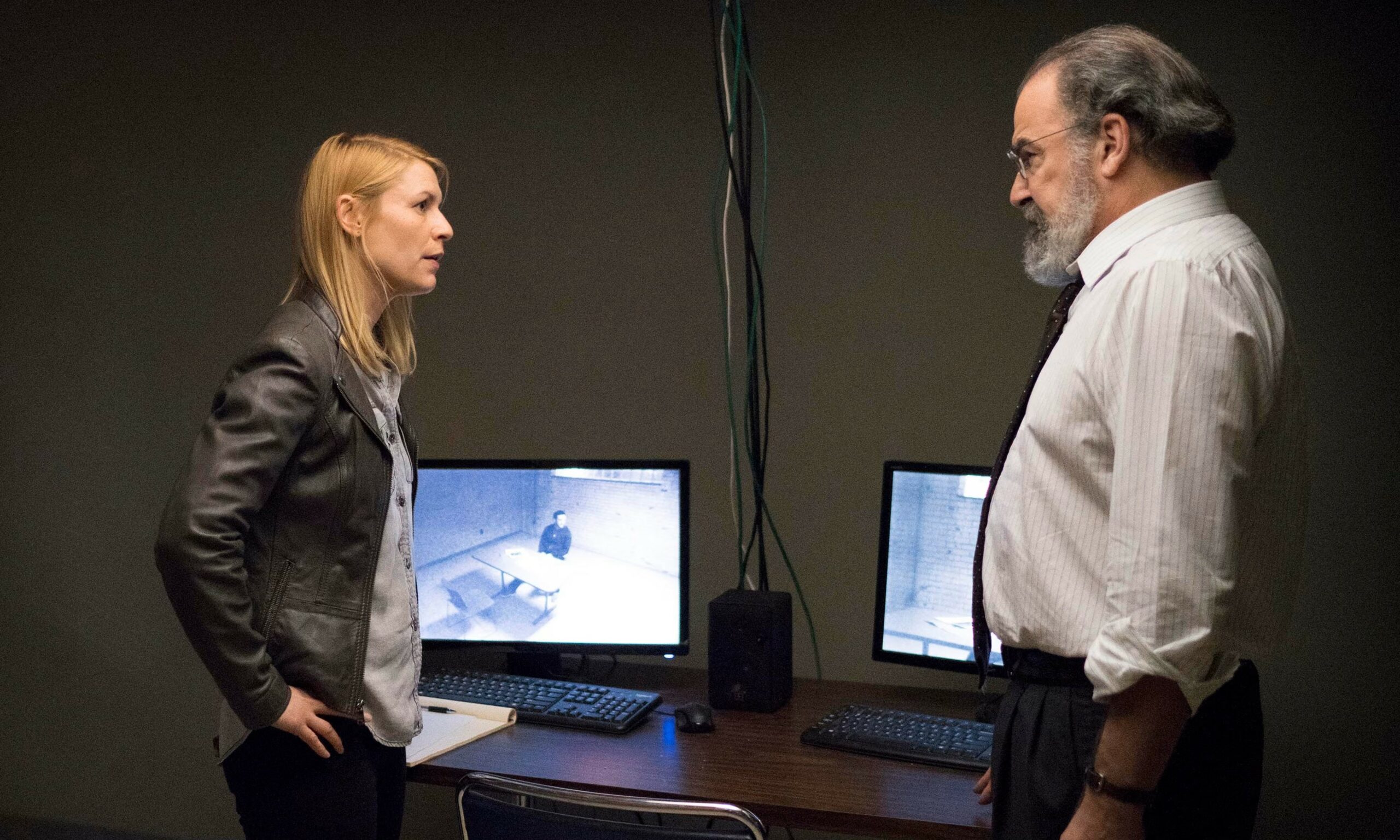
The espionage, psychological drama, and political analysis series "Homeland", which aired from 2011 to 2020 and is available on Netflix Cyprus, has sparked intense debate. While receiving positive reviews and a dedicated audience, it has been accused of Islamophobia, stereotypical depictions of the Middle East, and whitewashing American aggression. Supporters of the series have emphasized its portrayal of the dark sides of American intelligence agencies and the political elite, as well as the moral ambiguity of its characters. Five years after the series finale, the question arises whether its predictions about the weakening of American hegemony and Russian interference in elections have come true. Critics argue that the series reinforces an inflated American narrative, while others point to the dramaturgical limitations due to the subject of Islamist terrorism, which leads to simplistic depictions of Muslims. The series examines the complex relationship between the United States and the Middle East, as well as the ethical dilemmas faced by those involved in the war on terror. Its characters are multi-dimensional and face personal and professional challenges that lead them to controversial decisions. Overall, "Homeland" remains a controversial but important series that raises questions about power, morality, and identity in the modern world. Its value as an entertainment product and artistic achievement continues to be debated, but its impact on political and cultural dialogue is undeniable.
You Might Also Like
Βαθιά ενσυναίσθηση και ζωηρές σκέψεις
Dec 19

Τα social media στην πολιτική και το τσουβάλιασμα των «αντισυστημικών» – Πώς αναλύουν Γιάννος Κατσουρίδης και Χριστόφορος Χριστοφόρου
Dec 22

Συνιδρυτής και Πρόεδρος της Palm Holdings Ltd: Palm Holdings & Το νέο πρόσωπο των πολύτιμων μέταλλων
Dec 22

Οι 15 viral στιγμές που… σάρωσαν το διαδίκτυο το 2025
Dec 27
Το κουτί των χρωμάτων
Dec 31