Οι προϊστορικοί κάτοικοι του ευρωπαϊκού χώρου (οι πρώιμοι Homo sapiens (Κρο-Μανιόν) και οι Νεάντερταλ) είχαν εκπληκτικά πολύπλοκες κουζίνες, χρησιμοποιώντας στις συνταγές τους μια ποικιλία φυτικών και ζωικών προϊόντων, όπως διαπιστώνει μελέτη σε οργανικά υπολείμματα πήλινων σκευών, που δημοσιεύθηκε στο περιοδικό ανοιχτής πρόσβασης «PLOS One».
Οι ερευνητές, με επικεφαλής το Πανεπιστήμιο του Γιορκ στη Βρετανία, συνδύασαν πολλαπλές τεχνικές, μεταξύ των οποίων μικροσκοπική εξέταση και χημική ανάλυση, προκειμένου να εντοπίσουν ίχνη φυτών που κατανάλωναν αρχαίοι κυνηγοί-τροφοσυλλέκτες στην Ευρώπη.
Ετσι, ανέκτησαν δείγματα ιστών από μεγάλη ποικιλία φυτών, όπως άγρια χόρτα, όσπρια, σαρκώδη φρούτα, ρίζες, φύλλα και μίσχους ποωδών φυτών.
Σε πολλές περιπτώσεις, φυτικά υπολείμματα εντοπίστηκαν μαζί με ζωικά, συχνότερα ψάρια και άλλα θαλασσινά.
Οι ακριβείς συνδυασμοί και τα συστατικά διέφεραν από περιοχή σε περιοχή, γεγονός που πιθανότατα αντανακλά τόσο τους τοπικά διαθέσιμους πόρους όσο και τις ιδιαίτερες πολιτισμικές πρακτικές κάθε κοινότητας.
Τα ευρήματα αυτά αναδεικνύουν τον σημαντικό ρόλο των φυτών και των υδρόβιων τροφών στη διατροφή των πρώιμων ευρωπαϊκών πληθυσμών.
Παράλληλα, ενισχύουν την άποψη ότι οι κοινότητες αυτές χρησιμοποιούσαν συστηματικά την τεχνολογία της κεραμικής για την προετοιμασία τροφής και ότι κάθε πολιτισμός διέθετε τις δικές του σύνθετες γαστρονομικές παραδόσεις. Η μελέτη καταδεικνύει επίσης ότι ο συνδυασμός πολλαπλών αναλυτικών τεχνικών μπορεί να προσφέρει λεπτομερείς πληροφορίες που διαφεύγουν των παραδοσιακών μεθόδων, ιδιαίτερα όσον αφορά στα φυτικά τρόφιμα που κατανάλωναν οι αρχαίοι άνθρωποι.
Διαβάστε επίσης: Λάρνακα: Εσωτερικό έλεγχο καταφυγίων στην πόλη διενεργεί η Πολιτική Άμυνα
Πηγή: ΑΠΕ-ΜΠΕ
Homo sapiens: A Rich and Complex Cuisine - What They Ate

A new study published in PLOS One reveals that early Homo sapiens (Cro-Magnons) and Neanderthals had complex diets. The research, led by the University of York, was based on the analysis of organic residues in clay vessels and showed the consumption of a wide variety of plants (wild greens, legumes, fruits, roots) and aquatic foods (fish, seafood). The exact combinations of foods varied by region, reflecting local resources and cultural practices. The study highlights the important role of plants and aquatic foods in the diet of these prehistoric populations, challenging the traditional view of a primarily carnivorous diet. Furthermore, it reinforces the idea that early humans used ceramics to prepare their food and that each community had its own gastronomic traditions. Researchers used a combination of microscopic examination and chemical analysis to identify plant residues, providing a detailed picture of the diet of ancient humans. This methodology proved particularly effective in detecting plant foods, which are often not well preserved in archaeological finds. The findings of the study contribute to a better understanding of the dietary adaptation and cultural evolution of early humans in Europe. They demonstrate that their diet was more varied and complex than previously thought, and that ceramic technology played a crucial role in the preparation and consumption of their food.
You Might Also Like
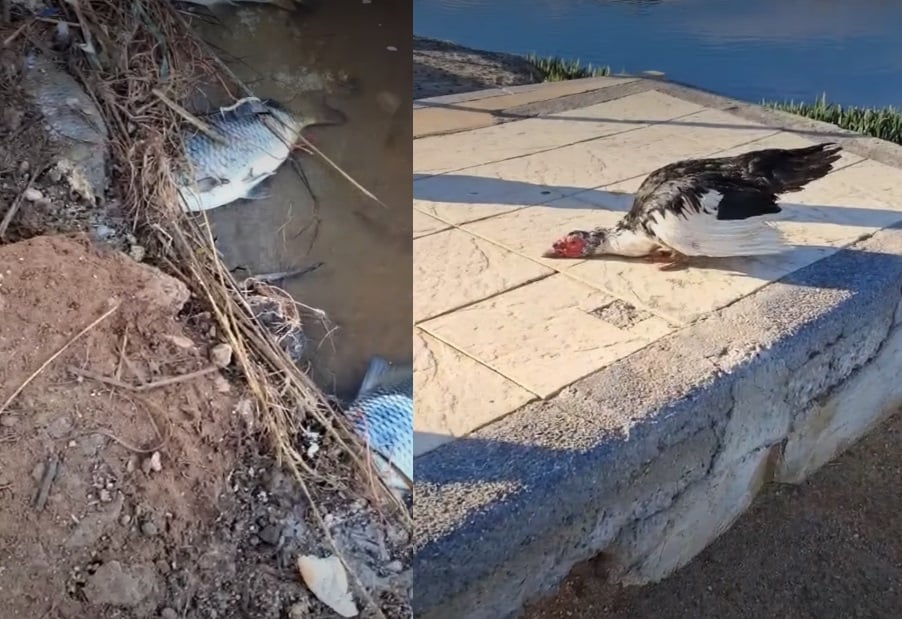
Κρήτη: Εικόνες καταστροφής σε υγροβιότοπο - Μαζικοί θανάτοι άγριας ζωής (VID)
Feb 20

Ελλάδα: Αμαξοστοιχία προσέκρουσε σε αυτοκίνητο – Δεν υπήρξαν τραυματίες
Feb 21
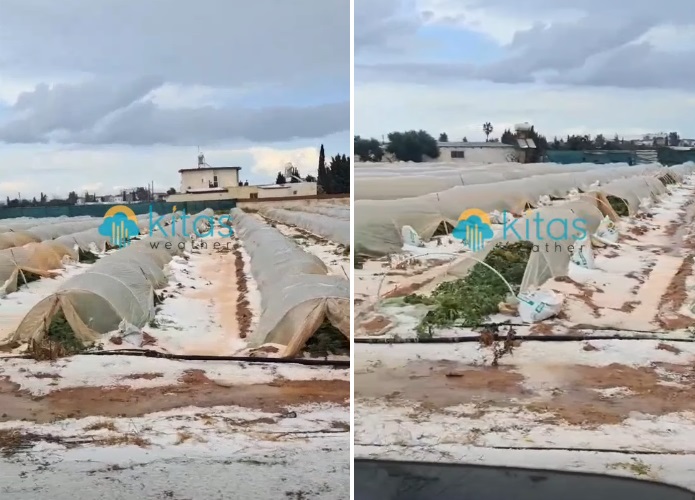
BINTEO: Ισχυρή χαλαζόπτωση έπληξε γεωργικές καλλιέργειες στο Παραλίμνι
Feb 23

Γεωργιανός κατάσκοπος στη Σούδα: Στο Αυτόφωρο για παράνομη είσοδο
Mar 3

Ελλάδα: Φάρσα το τηλεφώνημα για εκρηκτικό μηχανισμό στο Εφετείο Αθηνών
Mar 4