Για χρόνια το Ιράν επένδυε τεράστια ποσά στη δημιουργία υπόγειων στρατιωτικών εγκαταστάσεων, γνωστών ως «πόλεις πυραύλων», με στόχο να προστατεύσει το πυραυλικό του οπλοστάσιο από πιθανές επιθέσεις. Ωστόσο, λιγότερο από μία εβδομάδα μετά την έναρξη του πολέμου με τις ΗΠΑ και το Ισραήλ, αυτή η στρατηγική φαίνεται να μετατρέπεται σε σοβαρό μειονέκτημα.
Αμερικανικά και ισραηλινά μαχητικά, μαζί με οπλισμένα drones, περιπολούν πάνω από δεκάδες γνωστές πυραυλικές βάσεις του Ιράν. Οι επιθέσεις επικεντρώνονται κυρίως στους κινητούς εκτοξευτές που βγαίνουν από τα υπόγεια τούνελ για να εκτοξεύσουν πυραύλους.
Παράλληλα, βαριά βομβαρδιστικά έχουν πλήξει επανειλημμένα τις εισόδους των υπόγειων εγκαταστάσεων, με αποτέλεσμα σε ορισμένες περιπτώσεις τα όπλα να έχουν παγιδευτεί κάτω από το έδαφος.
Δορυφορικές εικόνες των τελευταίων ημερών δείχνουν κατεστραμμένους πυραύλους και εκτοξευτές κοντά στις εισόδους αυτών των εγκαταστάσεων.
500 πύραυλοι, αλλά μειώνεται η ένταση
Από την έναρξη του πολέμου το περασμένο Σάββατο, το Ιράν έχει εκτοξεύσει περισσότερους από 500 πυραύλους εναντίον του Ισραήλ, αμερικανικών βάσεων και στόχων στον Περσικό Κόλπο. Πολλοί από αυτούς αναχαιτίστηκαν.
Ωστόσο, οι μεγάλες ομοβροντίες έχουν μειωθεί τις τελευταίες ημέρες – ένδειξη ότι τα πλήγματα των ΗΠΑ και του Ισραήλ περιορίζουν την ικανότητα της Τεχεράνης να εξαπολύει επιθέσεις.
Ο επικεφαλής των αμερικανικών δυνάμεων στη Μέση Ανατολή, ναύαρχος Μπραντ Κούπερ, δήλωσε ότι οι συμμαχικές δυνάμεις «κυνηγούν τους τελευταίους βαλλιστικούς εκτοξευτές του Ιράν» και ότι η ικανότητα της χώρας να πλήττει αμερικανικούς και συμμαχικούς στόχους «μειώνεται».
Σύμφωνα με την CENTCOM, οι εκτοξεύσεις ιρανικών πυραύλων έχουν μειωθεί κατά 86% μέσα σε τέσσερις ημέρες.
Το πρόβλημα των υπόγειων βάσεων
Παρότι μεγάλο μέρος του ιρανικού οπλοστασίου παραμένει σε υπόγειες εγκαταστάσεις, οι τοποθεσίες των περισσότερων βάσεων είναι γνωστές στις αμερικανικές και ισραηλινές υπηρεσίες πληροφοριών.
Αυτό αναδεικνύει μια βασική αδυναμία της στρατηγικής των «πόλεων πυραύλων».
Όπως σημειώνουν αναλυτές, τα συστήματα που κάποτε ήταν κινητά και δύσκολο να εντοπιστούν, τώρα βρίσκονται σε σταθερές εγκαταστάσεις που μπορούν να παρακολουθούνται από δορυφόρους και αεροσκάφη επιτήρησης.
Αμερικανικά αεροσκάφη αναγνώρισης παρακολουθούν συνεχώς τις βάσεις και επιτίθενται μόλις εντοπιστεί δραστηριότητα.
Πλήγματα σε βάσεις σε όλο το Ιράν
Δορυφορικές εικόνες δείχνουν πλήγματα σε πολλές περιοχές της χώρας:
- κοντά στη Σιράζ, όπου εκτοξευτές καταστράφηκαν πριν προλάβουν να εκτοξεύσουν πυραύλους
- σε εγκαταστάσεις κοντά στο Ισφαχάν, όπου βομβαρδίστηκαν είσοδοι υπόγειων τούνελ
- σε βάση κοντά στο Κερμανσάχ, όπου χτυπήθηκαν δρόμοι και είσοδοι εγκαταστάσεων
- σε εγκαταστάσεις κοντά στο Ταμπρίζ, όπου φαίνεται να κατέρρευσαν είσοδοι σηράγγων
Οι επιθέσεις πραγματοποιούνται σε «κύματα», πλήττοντας κάθε φορά δύο ή τρεις στόχους ώστε να αποδυναμώνεται σταδιακά η λειτουργία των βάσεων.
Το άγνωστο μέγεθος του οπλοστασίου
Παρά τα πλήγματα, το ακριβές μέγεθος του ιρανικού πυραυλικού οπλοστασίου παραμένει άγνωστο. Αναλυτές εκτιμούν ότι η χώρα εξακολουθεί να διαθέτει χιλιάδες πυραύλους μικρού και μέσου βεληνεκούς.
Η Τεχεράνη φαίνεται να διατηρεί ορισμένους από τους πιο ισχυρούς πυραύλους της ως «τελευταίο χαρτί» σε περίπτωση που το καθεστώς βρεθεί σε άμεσο κίνδυνο.
Την ίδια στιγμή, η ιρανική στρατιωτική ηγεσία έχει αποκεντρώσει την εξουσία εκτόξευσης πυραύλων ώστε οι επιθέσεις κατά της διοίκησης να μην παραλύσουν την ικανότητα αντίδρασης της χώρας.
Αγώνας δρόμου για την εξουδετέρωση των πυραύλων
Για το Πεντάγωνο, η καταστροφή των ιρανικών πυραυλικών συστημάτων αποτελεί κρίσιμο στόχο από τις πρώτες ημέρες του πολέμου.
Ο λόγος είναι απλός: τα αποθέματα πυραύλων αναχαίτισης των αμερικανικών και συμμαχικών συστημάτων αεράμυνας δεν είναι απεριόριστα.
Έτσι, η στρατηγική των ΗΠΑ και του Ισραήλ είναι να πλήξουν όσο το δυνατόν περισσότερους εκτοξευτές και βάσεις πριν εξαντληθούν οι δυνατότητες αναχαίτισης των εισερχόμενων πυραύλων.
Iran's Underground 'Missile Cities' Turn into Traps
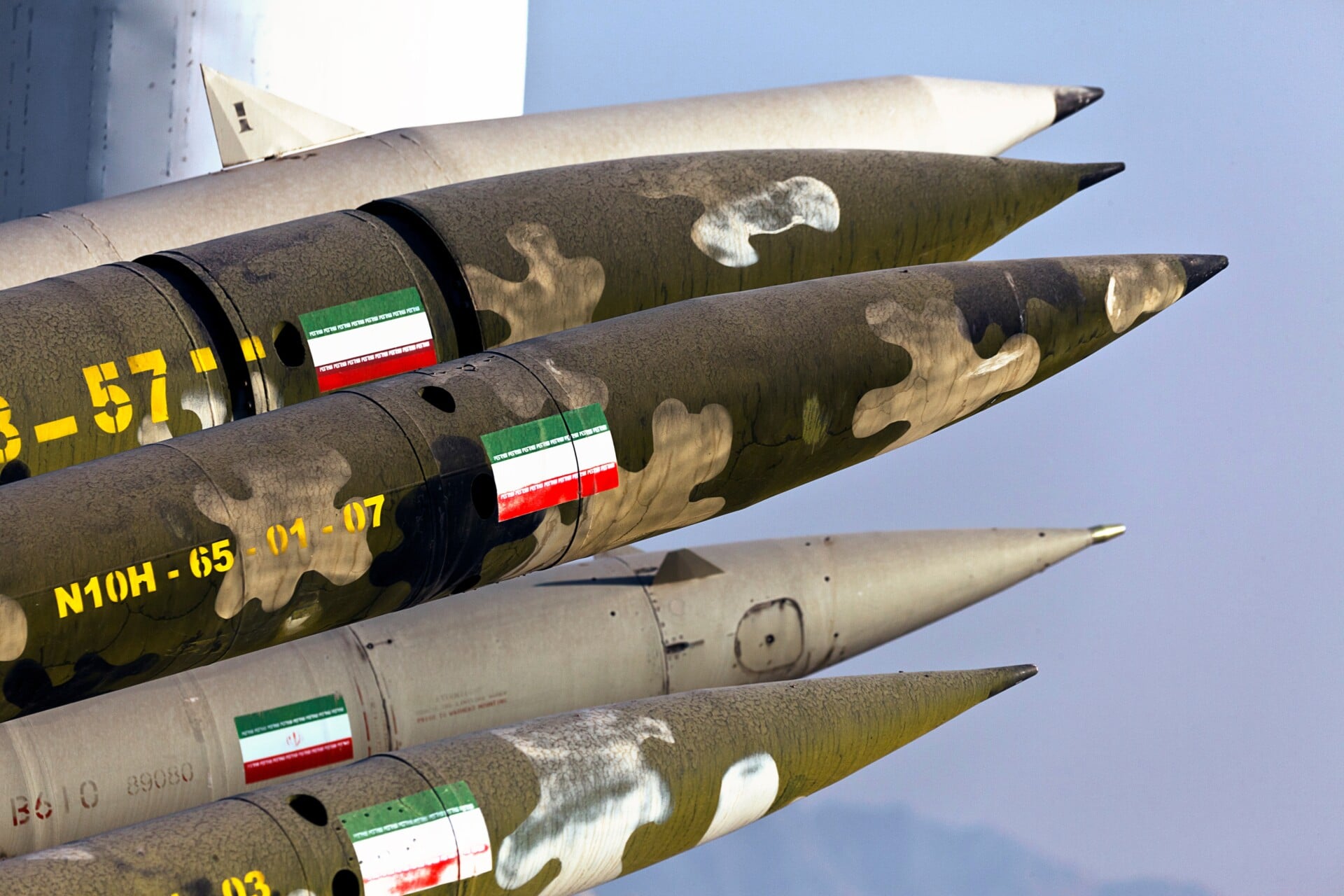
For years, Iran has invested heavily in building underground military facilities – known as 'missile cities' – to protect its missile arsenal from potential attacks. However, less than a week after the start of the war with the US and Israel, this strategy appears to be backfiring. American and Israeli fighter jets, along with armed drones, are patrolling over dozens of known Iranian missile bases. The attacks are primarily focused on mobile launchers that emerge from underground tunnels to launch missiles. Simultaneously, heavy bombers have repeatedly struck the entrances of the underground facilities, resulting in some weapons being trapped underground. Satellite imagery confirms the destruction of missiles and launchers near the bases. Since the start of the war, Iran has launched more than 500 missiles against Israel, US bases, and targets in the Persian Gulf, many of which were intercepted. However, the intensity of the attacks has decreased in recent days – an indication that US and Israeli strikes are limiting Tehran's ability to launch attacks. According to Admiral Brad Cooper, allied forces are 'hunting down the last ballistic launchers' and Iran's ability to strike US and allied targets is 'diminishing,' with launches down 86% in four days. Despite the fact that much of Iran's arsenal remains in underground facilities, the location of most bases is known to US and Israeli intelligence agencies. This reveals a fundamental weakness of the 'missile cities' strategy, as systems that were once mobile and difficult to detect are now in fixed locations that are closely monitored by satellites and surveillance aircraft. Attacks have been carried out in several areas of Iran, including Shiraz, Isfahan, Kermanshah, and Tabriz, targeting launchers and damaging the entrances to underground facilities. The attacks are carried out in 'waves,' hitting different targets in succession to gradually weaken the operation of the bases. Despite the strikes, the exact size of the Iranian arsenal remains unknown.
You Might Also Like

Διαψεύδουν τον Τραμπ για μία «εύκολη νίκη των ΗΠΑ στο Ιράν» – Δορυφορικές εικόνες
Feb 26
LIVE: Επιχείρηση “Βρυχηθμός του Λιονταριού” με κοινή επίθεση ΗΠΑ και Ισραήλ εναντίον του Ιράν – Εκρήξεις στην Τεχεράνη – Ο Τραμπ κήρυξε τον πόλεμο (εικόνες & βίντεο)
Feb 28
Το «μυστικό» των Αμερικανών: Tι είναι τα βομβαρδιστικά B-2 που χρησιμοποιήσαν οι ΗΠΑ για τις επιθέσεις στο Ιράν (video)
Mar 1
LIVE / Φλέγεται η Μέση Ανατολή: Ιρανικοί πύραυλοι και drones χτύπησαν αεροδρόμιο του Αζερμπαϊτζάν και αμερικανικό τάνκερ στον Περσικό – Η Μελόνι στέλνει βοήθεια για την αεράμυνα των χωρών του Κόλπου
Mar 5

Μέση Ανατολή: Οι ισορροπίες στον πόλεμο των πυραύλων
Mar 5