Η βασίλισσα Φρειδερίκη της Ελλάδας υπήρξε μία από τις πιο αμφιλεγόμενες μορφές της νεότερης ελληνικής ιστορίας. Για άλλους ενσάρκωσε τη «μητέρα του έθνους», για άλλους το πρόσωπο μιας εξουσίας που ντυνόταν με φιλανθρωπία για να αποκρύψει τον αυταρχισμό ακόμα και τη διαφθορά της εποχής. Το λεγόμενο αγαθοεργό της έργο στάθηκε στο επίκεντρο αυτής της αντίφασης. Έκτοτε έχει αποκτήσει εκατοντάδες μιμήτριες. Χιλιάδες μικρές Φρειδερίκες που έχουν αναγάγει την ελεημοσύνη σε εργαλείο άσκησης πολιτικής και ανάπτυξης πελατειακών σχέσεων.
Η Φρειδερίκη Λουίζα Θύρα Βικτωρία Μαργαρίτα Σοφία Όλγα Καικιλία Ισαβέλλα Χριστίνα γεννήθηκε στις 18 Απριλίου 1917 στο Μπλάνκενμπουργκ της Γερμανίας. Ήταν κόρη του δούκα Ερνέστου Αύγουστου του Μπράουνσβαϊγκ και της πριγκίπισσας Βικτωρίας Λουίζας της Πρωσίας, μοναχοκόρης του Γερμανού αυτοκράτορα Γουλιέλμου Β’. Μεγάλωσε σε ένα περιβάλλον έντονα στρατιωτικό και συντηρητικό, ενώ η παιδική της ηλικία σφραγίστηκε από την κατάρρευση της γερμανικής αυτοκρατορίας και την ταπεινωτική ήττα της χώρας της στον Α΄ Παγκόσμιο Πόλεμο.
Το 1938 παντρεύτηκε τον διάδοχο του ελληνικού θρόνου, πρίγκιπα Παύλο, και εγκαταστάθηκε στην Ελλάδα. Έναν χρόνο αργότερα ξέσπασε ο Β΄ Παγκόσμιος Πόλεμος και η βασιλική οικογένεια ακολούθησε την εξόριστη ελληνική κυβέρνηση στη Μέση Ανατολή και αργότερα στο Λονδίνο. Κατά τη διάρκεια της εξορίας της, η Φρειδερίκη ανέπτυξε έντονη δημόσια παρουσία, συμμετέχοντας σε φιλανθρωπικές δράσεις και προβάλλοντας διεθνώς την ελληνική υπόθεση.
Μετά την επιστροφή της βασιλικής οικογένειας στην Ελλάδα και την άνοδο του Παύλου στον θρόνο το 1947, η Φρειδερίκη έγινε βασίλισσα σε μια χώρα βαθιά τραυματισμένη από τον πόλεμο και τον Εμφύλιο.
Τα ορφανά
Μετά τον Εμφύλιο, η Ελλάδα ήταν μια χώρα γεμάτη ορφανά παιδιά, οικογένειες διαλυμένες. Παντού επικρατούσε φτώχεια και φόβος. Σε αυτό το τοπίο, η Φρειδερίκη εμφανίστηκε ως προστάτιδα των «παιδιών της πατρίδας». Με επισκέψεις σε ιδρύματα, περιοδείες στην επαρχία, φωτογραφίες με παιδικά πρόσωπα και λόγο φορτισμένο με συναίσθημα, οικοδόμησε την εικόνα της βασίλισσας που «νοιάζεται».
Κεντρικός άξονας του έργου της ήταν τα βασιλικά ιδρύματα πρόνοιας, με πιο γνωστά τα λεγόμενα «παιδοπόλεις». Επισήμως, σκοπός τους ήταν η προστασία παιδιών που είχαν χάσει τους γονείς τους στον πόλεμο. Στην πράξη, όμως, οι παιδοπόλεις εντάχθηκαν στο ψυχροπολεμικό κλίμα της εποχής, λειτουργώντας συχνά ως μηχανισμός ιδεολογικής διαπαιδαγώγησης. Η φιλανθρωπία συναντούσε την πολιτική και το αποτέλεσμα δεν ήταν ποτέ ουδέτερο.
Η Φρειδερίκη δεν περιορίστηκε στην εσωτερική σκηνή. Ταξίδεψε στο εξωτερικό, μίλησε σε διεθνή ακροατήρια, συγκέντρωσε χρήματα και συμπάθεια για την «ελληνική υπόθεση». Εκεί, το αγαθοεργό έργο παρουσιαζόταν ως απόδειξη μιας μοναρχίας που δήθεν σήκωνε το βάρος της κοινωνικής ανασυγκρότησης. Για το παλάτι, η φιλανθρωπία ήταν και διπλωματικό εργαλείο.
Ωστόσο, πίσω από το πέπλο της προσφοράς, πολλοί έβλεπαν μια βαθιά ταξική και πολιτική μεροληψία. Οι αντίπαλοι της μοναρχίας κατήγγειλαν ότι η πρόνοια επιλέγει ποιον θα αγκαλιάσει και ποιον θα αποκλείσει. Ότι η «αγάπη για τα παιδιά» δεν ήταν παρά ένα μέσο για να διαμορφωθούν συνειδήσεις σε μια χώρα που έβγαινε από τον Εμφύλιο χωρίς πραγματική συμφιλίωση.
Στο πέρασμα των χρόνων, η εικόνα της Φρειδερίκης σκλήρυνε. Το αγαθοεργό έργο της δεν εξαφανίστηκε από τη μνήμη, αλλά έπαψε να είναι αυτονόητα θετικό. Ιστορικοί και πολίτες άρχισαν να το επανεξετάζουν υπό το φως της εξουσίας που το παρήγαγε και το καθοδηγούσε.
Ίσως τελικά το ερώτημα δεν είναι αν η Φρειδερίκη βοήθησε ανθρώπους - το έκανε. Το ερώτημα είναι με ποιο τίμημα και με ποιο σκοπό. Γιατί στην Ιστορία, όπως και στη ζωή, η αγαθοεργία δεν είναι ποτέ απλώς μια πράξη καλοσύνης. Είναι πάντα και μια πράξη εξουσίας.
Ελεημοσύνη Vs Κρατική πρόνοια
Η ελεημοσύνη και η κρατική πρόνοια μοιάζουν συχνά να υπηρετούν τον ίδιο σκοπό, τη βοήθεια των αδύναμων. Στην ουσία όμως εκφράζουν δύο εντελώς διαφορετικές αντιλήψεις για την κοινωνία, την εξουσία και την αξιοπρέπεια.
Η ελεημοσύνη είναι πράξη ατομική, προαιρετική και κάθετη. Ο ισχυρός δίνει στον αδύναμο, χωρίς υποχρέωση, χωρίς λογοδοσία, χωρίς δικαίωμα. Δημιουργεί σχέση εξάρτησης και συχνά συνοδεύεται από προβολή, ηθική υπεροχή ή πολιτικό όφελος. Ανακουφίζει τη φτώχεια, αλλά δεν την αμφισβητεί. Τη διαχειρίζεται.
Η κρατική πρόνοια, αντίθετα, είναι θεσμική και οριζόντια. Δεν βασίζεται στην καλοσύνη, αλλά στο δικαίωμα. Ο πολίτης δεν παρακαλεί, αλλά αξιώνει. Η κοινωνική προστασία δεν είναι χάρη, αλλά υποχρέωση του κράτους προς όλους. Η πρόνοια δεν αποσκοπεί απλώς στην επιβίωση, αλλά στη μείωση των ανισοτήτων και στην κοινωνική συνοχή.
Υστερόγραφο
Η πιο πάνω ιστορία της Φρειδερίκης είναι ιστορικά αυτόνομη και ευκολότερα εξηγήσιμη αν αναλογιστεί κάποιος τις δύσκολες μεταπολεμικές συνθήκες που επικρατούσαν στην Ελλάδα. Διά της ιστορικής αναλογίας βέβαια μπορούμε να δούμε με ασφάλεια πού οδηγούν οι πολιτικές που ακολούθησε η πρώην βασίλισσα της Ελλάδας. Με αυτό τον τρόπο ίσως προβληματισθεί και η πρώτη κυρία της Κύπρου, Φιλίππα Καρσερά, η οποία δίκην Μικρής Φρειδερίκης, εν έτει 2026 και υπό καθεστώς αδιαφάνειας επέμεινε στη λειτουργία ενός προβληματικού ταμείου. Η χρηματοδότηση αυτού του ταμείου, όπως προκύπτει από το σχετικό βίντεο που κυκλοφόρησε τις προηγούμενες μέρες, δεν ήταν αντάξια ενός κράτους δικαίου, ούτε ενισχύει τη δικαιολογημένη περηφάνια που αισθάνονται οι πολίτες μιας ευρωπαϊκής χώρας που αυτή την περίοδο προεδρεύει της ΕΕ.
Queen Frederica and Her 'Benevolent' Work
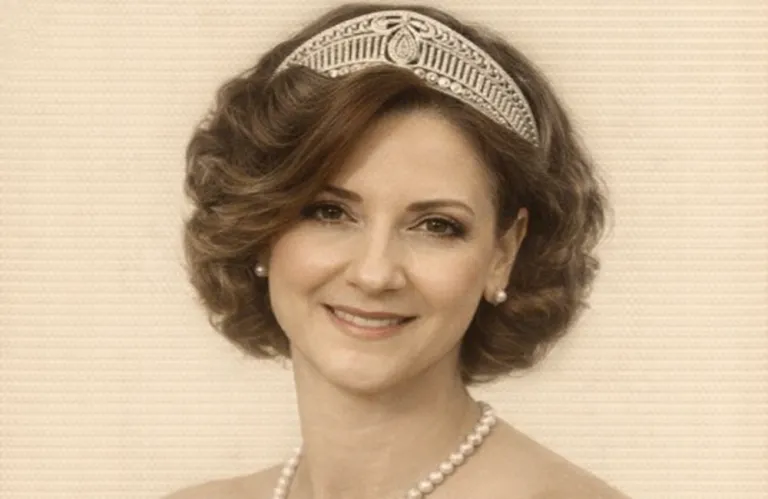
Queen Frederica of Greece was one of the most controversial figures in modern Greek history. Some saw her as the 'mother of the nation,' while others accused her of using philanthropy to cover up authoritarianism and corruption. Her so-called 'benevolent' work, particularly the creation of 'children's cities,' was a central point of criticism. Frederica grew up in a conservative and military environment in Germany, influenced by the collapse of the empire and her country's defeat in World War I. She married Crown Prince Paul in 1938 and settled in Greece, and during World War II, she found herself in exile with the Greek government. In exile, Frederica developed a strong public presence, participating in charitable activities and promoting the Greek cause abroad. After the royal family's return to Greece in 1947, she took on the role of protector of orphans and the poor, creating royal welfare institutions. However, her philanthropic work was linked to political motives and ideological indoctrination, especially during the Cold War. Criticism focuses on class and political bias, as well as the lack of transparency and accountability in the management of funds. The article highlights that Frederica served as a model for many politicians who used charity as a tool for exercising power and creating clientelistic relationships.
You Might Also Like

Το 2026 και οι προκλήσεις μιας αβέβαιης εποχής - Νέα χρονιά με εκκρεμότητες, συσσωρευμένες πιέσεις και κρίσιμα διλήμματα
Jan 1
Η Ιστορία ως μεσσιανικό αφήγημα
Jan 4

Το Κρεμλίνο επιτίθεται τώρα και στο Φανάρι
Jan 13

Το τίμημα της ασφάλειας και η ψευδαίσθηση της «δωρεάν» ειρήνης
Jan 16