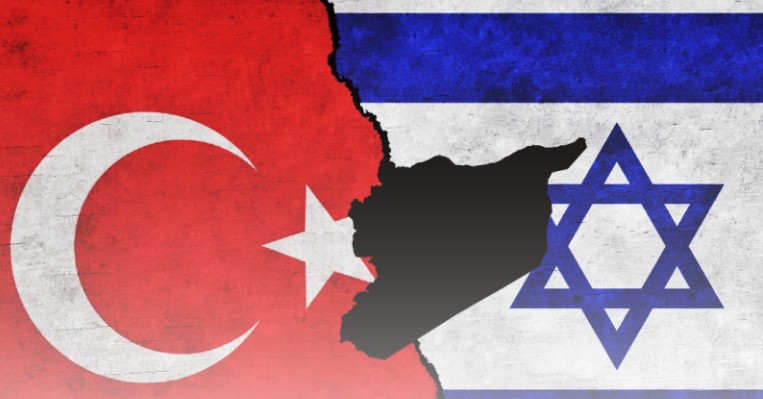
Το μέλλον της Μέσης Ανατολής και η σταθερότητα στην περιοχή εξαρτώνται σε μεγάλο βαθμό από τη σχέση της Δύσης και του Ισραήλ με την Τουρκία, υποστηρίζει σε ανάλυσή του στην Telegraph ο αναλυτής διεθνών σχέσεων Ed Husain.
Σύμφωνα με το άρθρο, η γεωπολιτική ισορροπία στη Μέση Ανατολή στηρίζεται σε τρία βασικά κέντρα ισχύος: τα αραβικά κράτη, την Τουρκία και το Ιράν. Για να διατηρήσουν επιρροή στην περιοχή, η Δύση και το Ισραήλ χρειάζονται τουλάχιστον δύο από αυτούς τους πόλους στο πλευρό τους.
Όπως σημειώνεται, από την Ισλαμική Επανάσταση του 1979 μέχρι σήμερα, η Δύση και το Ισραήλ έχουν καταφέρει να απομονώσουν το Ιράν. Ωστόσο, η αυξανόμενη ρητορική ορισμένων Ισραηλινών πολιτικών κατά της Τουρκίας κινδυνεύει να ανατρέψει αυτή την ισορροπία.
Προειδοποιήσεις από Ισραηλινούς πολιτικούς
Στο άρθρο γίνεται αναφορά σε δηλώσεις του πρώην πρωθυπουργού του Ισραήλ Ναφτάλι Μπένετ, ο οποίος χαρακτήρισε την Τουρκία «νέα απειλή», συγκρίνοντάς την μάλιστα με το Ιράν.
Παρόμοια στάση φέρεται να τηρεί και ο πρώην υπουργός Άμυνας Γιοάβ Γκάλαντ, ο οποίος επίσης αντιμετωπίζει την Τουρκία με αυξανόμενη καχυποψία.
Ωστόσο, σύμφωνα με τον Husain, αυτή η προσέγγιση παραγνωρίζει τη γεωπολιτική πραγματικότητα της περιοχής, καθώς η Τουρκία και το Ιράν αποτελούν εδώ και δεκαετίες ανταγωνιστικές δυνάμεις.
Ανταγωνισμός Τουρκίας – Ιράν
Το άρθρο υπογραμμίζει ότι η Τουρκία και το Ιράν βρίσκονται σε έναν μακροχρόνιο γεωπολιτικό ανταγωνισμό, διεκδικώντας ηγετικό ρόλο στον μουσουλμανικό κόσμο.
Η Τουρκία, μια σουνιτική χώρα 86 εκατομμυρίων κατοίκων και κληρονόμος της Οθωμανικής Αυτοκρατορίας, έχει στρατηγική παρουσία τόσο προς την Ευρώπη όσο και προς τη Ρωσία και τη Μέση Ανατολή.
Από την άλλη πλευρά, το σιιτικό Ιράν, με πληθυσμό περίπου 92 εκατομμυρίων, αποτελεί διάδοχο της περσικής αυτοκρατορικής παράδοσης. Οι δύο χώρες είχαν συγκρουστεί στρατιωτικά επί αιώνες, ενώ και σήμερα διατηρούν έντονη γεωπολιτική αντιπαλότητα.
Η σημασία της Τουρκίας για τη Δύση
Σύμφωνα με την ανάλυση, η Τουρκία αποτελεί κρίσιμο σύμμαχο του ΝΑΤΟ, διαθέτοντας τον δεύτερο μεγαλύτερο στρατό της Συμμαχίας και σημαντική βιομηχανία στρατιωτικών drones.
Τυχόν σύγκρουση με την Τουρκία, σημειώνεται, θα μπορούσε να προκαλέσει ευρύτερες γεωπολιτικές αναταράξεις, επηρεάζοντας ακόμη και τη σχέση ΗΠΑ–Ισραήλ.
Ιδιαίτερη αναφορά γίνεται και στη σχέση του Ντόναλντ Τραμπ με τον Τούρκο πρόεδρο Ρετζέπ Ταγίπ Ερντογάν, η οποία χαρακτηρίζεται στενή.
Ιστορικοί δεσμοί Τουρκίας – Ισραήλ και Αραβικός Κόσμος
Παρά τις εντάσεις των τελευταίων ετών, η Τουρκία και το Ισραήλ εξακολουθούν να διατηρούν διπλωματικές σχέσεις.
Η Τουρκία ήταν μάλιστα η πρώτη μουσουλμανική χώρα που αναγνώρισε το Ισραήλ το 1949, ενώ οι δύο χώρες έχουν διατηρήσει για δεκαετίες πολιτικές και οικονομικές επαφές.
Στην ανάλυση τονίζεται επίσης ότι ο σουνιτικός αραβικός κόσμος, με περίπου 400 εκατομμύρια κατοίκους σε 21 κράτη, αποτελεί καθοριστικό παράγοντα για τις ισορροπίες στην περιοχή.
Χώρες όπως η Σαουδική Αραβία και τα Ηνωμένα Αραβικά Εμιράτα διαδραματίζουν πλέον αυξημένο ρόλο στη διαμόρφωση της νέας γεωπολιτικής πραγματικότητας.
Προειδοποίηση για τις συνέπειες
Ο Husain προειδοποιεί ότι μια αντιπαράθεση με την Τουρκία θα μπορούσε να οδηγήσει σε περαιτέρω απομόνωση του Ισραήλ, ενισχύοντας παράλληλα το Ιράν και συμμάχους του, όπως η Χαμάς.
Καταλήγοντας, σημειώνει ότι για την ασφάλεια του Ισραήλ, της Δύσης αλλά και των αραβικών συμμάχων τους, η διπλωματία με την Τουρκία αποτελεί πιο ελπιδοφόρα επιλογή από τη σύγκρουση.
Όπως επισημαίνει, μια βιώσιμη λύση για την περιοχή θα πρέπει να περιλαμβάνει και μια πορεία προς την ίδρυση παλαιστινιακού κράτους, το οποίο όμως δεν θα απειλεί την ασφάλεια του Ισραήλ.
The Future of the Middle East Depends on the West's Relationship with Turkey
Ed Husain's analysis in the Telegraph argues that the future of the Middle East hinges on the relationship between the West and Israel with Turkey. The geopolitical balance in the region is based on three main pillars: Arab states, Turkey, and Iran, and the West and Israel need at least two of these on their side to maintain influence. The analysis highlights that increasing criticism from some Israeli politicians, such as Naftali Bennett and Yoav Gallant, towards Turkey risks disrupting this balance. These politicians compare Turkey to Iran, overlooking the long-standing competition between the two countries. Turkey and Iran are engaged in a continuous geopolitical competition for leadership in the Muslim world. Turkey, a Sunni country with a significant strategic position, and Iran, a Shia country with a strong historical tradition, have been in military conflict for centuries and continue to maintain intense rivalry. The analysis emphasizes the importance of Turkey as a NATO ally, with the second-largest army in the Alliance and a significant drone industry. A conflict with Turkey could have serious geopolitical consequences, even affecting the US-Israel relationship. Despite tensions, Turkey and Israel have maintained diplomatic relations since 1949, while the Sunni Arab world remains a key factor in the region's balances.