Ο Ερμής, ο μικρότερος και πιο κοντινός στον Ήλιο πλανήτης του Ηλιακού Συστήματος, συνεχίζει να προβληματίζει την επιστημονική κοινότητα, καθώς τα φυσικά και χημικά χαρακτηριστικά του δεν συνάδουν με κανένα από τα επικρατέστερα μοντέλα πλανητικού σχηματισμού.
Παρότι έχει μάζα σχεδόν 20 φορές μικρότερη από τη Γη και είναι μόλις λίγο μεγαλύτερος από την Αυστραλία σε διάμετρο, είναι ο δεύτερος πιο πυκνός πλανήτης μετά τη Γη, λόγω ενός τεράστιου μεταλλικού πυρήνα που καταλαμβάνει περίπου το 85% της ακτίνας του.
Η θέση του, πολύ κοντά στον Ήλιο, και η εσωτερική του δομή συνθέτουν ένα αίνιγμα που, όπως παραδέχονται οι ειδικοί, δεν έχει ακόμη πειστική απάντηση. «Είναι κάπως… ντροπιαστικό», σημειώνει ο Σον Ρέιμοντ, ειδικός στον σχηματισμό πλανητών στο Πανεπιστήμιο του Μπορντό. «Υπάρχει κάτι θεμελιώδες που μας διαφεύγει».
Η κατανόηση του πώς σχηματίστηκε ο Ερμής δεν αφορά μόνο την ιστορία του δικού μας Ηλιακού Συστήματος, αλλά και τη μελέτη πλανητών γύρω από άλλα άστρα. Όπως εξηγεί στο BBC ο πλανητικός επιστήμονας Σαβέριο Καμπιόνι από το MIT, ο Ερμής είναι «ο πιο κοντινός πλανήτης που έχουμε σε έναν εξωπλανήτη», λόγω της ασυνήθιστης προέλευσής του.
Οι πρώτες ενδείξεις ότι κάτι «δεν πάει καλά» εμφανίστηκαν τη δεκαετία του 1970, όταν το διαστημόπλοιο Mariner 10 πραγματοποίησε τις πρώτες διελεύσεις από τον πλανήτη.
Οι μετρήσεις βαρύτητας αποκάλυψαν έναν δυσανάλογα μεγάλο πυρήνα. Αργότερα, η αποστολή Messenger (2011–2015) περιέπλεξε ακόμη περισσότερο την εικόνα, εντοπίζοντας πτητικά στοιχεία όπως κάλιο και θόριο, καθώς και ίχνη πάγου νερού σε μόνιμα σκιασμένους κρατήρες στους πόλους – ευρήματα που θεωρητικά δεν θα έπρεπε να επιβιώνουν τόσο κοντά στον Ήλιο, όπου οι θερμοκρασίες φτάνουν τους 430 βαθμούς Κελσίου.
Τα δεδομένα αυτά ενίσχυσαν την άποψη ότι ο Ερμής ίσως δεν σχηματίστηκε στη σημερινή του θέση. Μία από τις επικρατέστερες θεωρίες θέλει τον πλανήτη να ήταν αρχικά πολύ μεγαλύτερος, σχεδόν στο μέγεθος του Άρη, και να υπέστη μια γιγάντια σύγκρουση στα πρώτα 10 εκατομμύρια χρόνια της ύπαρξής του. Το χτύπημα αυτό θα μπορούσε να απογυμνώσει τον πλανήτη από τον μανδύα και τον φλοιό του, αφήνοντας πίσω τον πυκνό, σιδηρούχο πυρήνα. Όπως λέει ο Αλεσάντρο Μορμπιντέλι, από το Αστεροσκοπείο της Κυανής Ακτής, «η γενική ερμηνεία είναι ότι ο Ερμής υπέστη μια γιγάντια σύγκρουση που αφαίρεσε το μεγαλύτερο μέρος του μανδύα του».
Ωστόσο, αυτό το σενάριο έχει σοβαρά προβλήματα. Μια τόσο βίαιη σύγκρουση θα έπρεπε να έχει απομακρύνει και τα πτητικά στοιχεία, κάτι που δεν φαίνεται να έχει συμβεί. Επιπλέον, δεν είναι σαφές γιατί τα θραύσματα από μια τέτοια σύγκρουση δεν επέστρεψαν στον πλανήτη ή δεν δημιούργησαν δορυφόρους – ο Ερμής δεν έχει κανέναν.
Άλλες θεωρίες υποστηρίζουν ότι ο Ερμής μπορεί να ήταν ο «εισβολέας» σε μια σύγκρουση τύπου hit-and-run με έναν μεγαλύτερο πλανήτη, όπως η Αφροδίτη, ή ότι σχηματίστηκε εξαρχής από υλικό πλούσιο σε σίδηρο, πολύ κοντά στον νεαρό Ήλιο, όπου η έντονη ακτινοβολία εξαφάνισε τα ελαφρύτερα στοιχεία. Και αυτές όμως οι εκδοχές αφήνουν αναπάντητα ερωτήματα, όπως γιατί ο πλανήτης σταμάτησε να μεγαλώνει στο σημερινό του μέγεθος.
Απαντήσεις ίσως δώσει η ευρωπαϊκο-ιαπωνική αποστολή BepiColombo, η οποία εκτοξεύθηκε το 2018 και αναμένεται να τεθεί σε τροχιά γύρω από τον Ερμή τον Νοέμβριο του 2026, έπειτα από καθυστέρηση λόγω τεχνικού προβλήματος. Στόχος της είναι να μελετήσει σε βάθος τη σύσταση του πλανήτη, τον πυρήνα του και τα πτητικά στοιχεία στην επιφάνειά του.
Όπως τονίζουν οι επιστήμονες, ο Ερμής παραμένει ένα από τα μεγαλύτερα αινίγματα του Ηλιακού Συστήματος. Η λύση του δεν θα εξηγήσει μόνο την προέλευση ενός «αταίριαστου» πλανήτη, αλλά ίσως αλλάξει συνολικά τον τρόπο με τον οποίο κατανοούμε τον σχηματισμό πλανητών, τόσο κοντά στον Ήλιο όσο και γύρω από μακρινά άστρα.
The Planet That Shouldn't Exist: Mission May Solve the Mystery in 2026
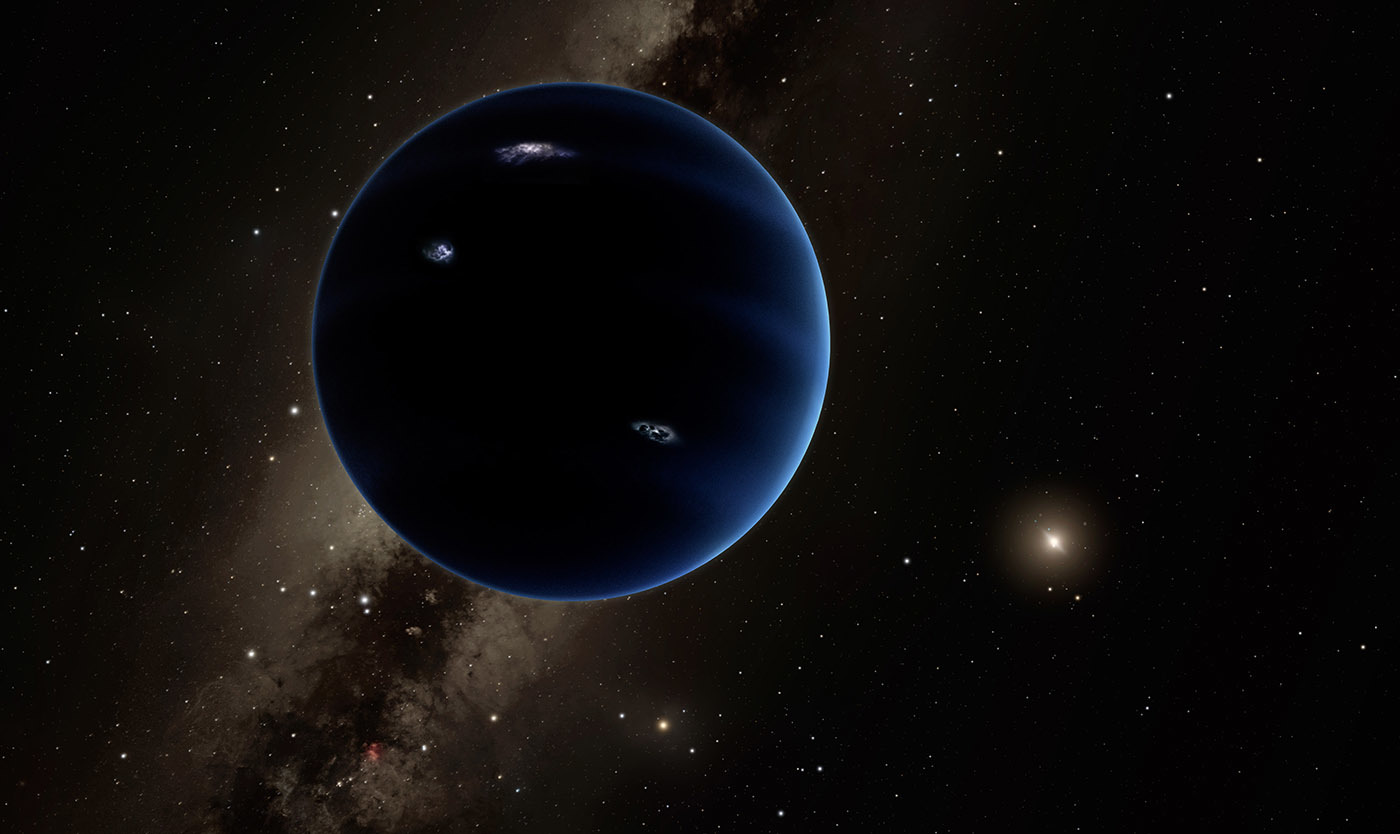
Mercury, the smallest and closest planet to the Sun, remains a mystery to scientists. Despite its small size, it is extremely dense, with a massive metallic core that occupies 85% of its radius. Its position and internal structure cannot be explained by existing models of planetary formation. The first indications of Mercury's anomaly came from the Mariner 10 mission in the 1970s, with gravity measurements revealing the disproportionately large core. The Messenger mission (2011-2015) added new data, identifying volatile elements and traces of water ice in permanently shadowed craters, despite the high temperatures. One of the leading theories suggests that Mercury was initially larger, like Mars, and underwent a giant impact that stripped it of its mantle and crust. However, this scenario does not explain the presence of volatile elements and the absence of satellites. Other theories consider the possibility that Mercury was an 'intruder' in a hit-and-run collision with Venus or formed from iron-rich material near the Sun. Understanding Mercury's formation is important for studying exoplanets, as it is the closest planet that resembles them. A new mission, scheduled for 2026, is expected to shed light on the mystery.
You Might Also Like

Πέντε χρόνια Brexit: Ακρίβεια, ανεργία και οικονομική αιμορραγία για τους Βρετανούς
Dec 13

Ξεχάστε το Τρίγωνο των Βερμούδων: Που βρίσκεται το αληθινό μυστήριο στον ωκεανό
Dec 15

Η ακροδεξιά AfD της Γερμανίας προετοιμάζει το έδαφος για την εξουσία
Dec 17

Ντέμης Χασάμπης: Τι ετοιμάζει ο Ελληνοκύπριος «σκακιστής» της τεχνητής νοημοσύνης στην Google
Dec 26

Νέα στοιχεία για τη σκοτεινή ενέργεια ανατρέπουν όσα γνωρίζαμε – Έτσι θα έρθει το τέλος του κόσμου;
Dec 29