Ο Hany Farid δεν μπορούσε να αποβάλει την αίσθηση ότι δεν μιλούσε πραγματικά με τον ίδιο τον Μπαράκ Ομπάμα το 2023. Συνεργάτης του πρώην προέδρου των ΗΠΑ τον είχε προσκαλέσει να μιλήσουν για την deepfake τεχνολογία. Καθώς η βιντεοκλήση προχωρούσε, η εμπειρία της συνομιλίας με τον Ομπάμα – με φωνή και ρυθμό ομιλίας εντελώς χαρακτηριστικά – άρχισε να φαίνεται παράξενη. “Σκεφτόμουν, ‘Είναι deepfake. Αυτός δεν είναι ο Ομπάμα’”, λέει ο Farid. “Ήθελα να του πω: ‘Βάλε το χέρι σου μπροστά στο πρόσωπό σου’”.
Τότε, το να ζητήσεις κάτι τέτοιο ήταν ένας τρόπος να εντοπίσεις deepfakes. Η εικόνα παραμορφωνόταν και αποκάλυπτε την απάτη. Ο Farid, ωστόσο, δεν μπορούσε να κοιτάξει στα μάτια τον πρώην πρόεδρο και να του ζητήσει να αποδείξει ότι ήταν… πραγματικός. “Για 10 λεπτά σκεφτόμουν, ‘Μου κάνουν πλάκα;’”, λέει.
Τελικώς, δεν τον κορόιδευαν. Οι υποψίες του, ωστόσο, αντικατοπτρίζουν πόσο η τεχνητή νοημοσύνη έχει αρχίσει να προκαλεί παρανοϊκά αισθήματα στους ανθρώπους στο διαδίκτυο. Η τεχνολογία εξελίσσεται γρήγορα για να παρακάμπτει τις ανθρώπινες άμυνες. Το τέχνασμα με το χέρι στο πρόσωπο ήδη έχει καταστεί παρωχημένο. Ο Farid απέδειξε σε πρόσφατη κλήση με το Bloomberg Businessweek ότι μπορεί να αντικαταστήσει το πρόσωπό του με εκείνο του Sam Altman, διευθύνοντος συμβούλου της OpenAI. Υπήρχε καθυστέρηση μεταξύ φωνής και βίντεο και ένα ελαφρώς “νεκρό” βλέμμα, ωστόσο μπορούσε να ξύσει το μάγουλό του και να αλλάξει τον φωτισμό του χώρου χωρίς να διαταράσσεται η εικόνα του. “Κατά κανόνα”, λέει, “η ιδέα ότι σε μια βιντεοκλήση μπορείς να εμπιστευτείς αυτό που βλέπεις έχει τελειώσει”.
Η κοινωνία προετοιμάζεται για την ημέρα που οι μηχανές θα μπορούσαν να συμπεριφέρονται πειστικά σαν άνθρωποι από το 1950, όταν ο Alan Turing πρότεινε το “imitation game”. Στο τεστ Turing, ένας ανθρώπινος-κριτής συνομιλεί γραπτώς με μια μηχανή και έναν άνθρωπο, προσπαθώντας να μαντέψει ποιος είναι ποιος. Αν η μηχανή ξεγελάσει τον κριτή, περνά το τεστ. Δεκαετίες αργότερα, οι ιστοσελίδες ζητούν από τους χρήστες να αποδείξουν ότι είναι άνθρωποι μέσω captchas – παραμορφωμένων χαρακτήρων τους οποίους οι άνθρωποι διαβάζουν εύκολα, αλλά που δυσκολεύουν τους υπολογιστές. Καθώς τα αυτοματοποιημένα εργαλεία εξελίσσονταν, το ίδιο συνέβαινε και με τις παγίδες. Έγιναν παράξενες, ζητώντας από χρήστες να κρίνουν φωτογραφίες σκύλων που χαμογελούν, αναλογιζόμενοι αν οι σκύλοι μπορούν να κάνουν κάτι τέτοιο.
Εμπόδια
Η έλευση των μεγάλων γλωσσικών μοντέλων ξεπέρασε αυτές τις άμυνες. Με κατάλληλες οδηγίες, οι AI agents μπορούν να αναγνωρίσουν πολύπλοκα captchas. Σε πρόσφατη μελέτη με 126 συμμετέχοντες, πολλά LLMs υποβλήθηκαν στο τεστ Turing και οι συμμετέχοντες θεώρησαν το GPT-4.5 άνθρωπο στο 73% των περιπτώσεων.
Σε έναν κόσμο διαμεσολαβούμενο από το διαδίκτυο, η εμπιστοσύνη διαρρηγνύεται. Κάθε αλληλεπίδραση – με εργοδότη, πιθανό σύντροφο, τη μητέρα μας ή έναν πρώην πρόεδρο των ΗΠΑ – είναι ευάλωτη σε υψηλού επιπέδου εξαπάτηση. Φωνητικοί κλώνοι έχουν υποδυθεί τον Αμερικανό υπουργό Εξωτερικών Μάρκο Ρούμπιο για να επικοινωνήσουν με ξένους ομολόγους του. Στο Χονγκ Κονγκ, υπάλληλος πολυεθνικής έστειλε το 2024 25 εκατ. δολάρια σε απατεώνες που χρησιμοποίησαν deepfake για να εμφανιστούν σε εκείνον ως ο οικονομικός διευθυντής της εταιρείας.
Μην έχοντας καλύτερες λύσεις, άτομα και οργανισμοί δημιουργούν άτυπα Turing tests αυθόρμητα. Αναγκάζονται να υπερκεράσουν νέα εμπόδια μέσω μεθόδων που συχνά αντιβαίνουν στους κοινωνικούς κανόνες, ζητώντας από πρόσωπα να αποδείξουν την ανθρώπινη υπόστασή τους. Καθώς οι μηχανές γίνονται καλύτερες στο να μιμούνται τους ανθρώπους, οι άνθρωποι αλλάζουν τον τρόπο που γράφουν, προσλαμβάνουν και αλληλεπιδρούν με αγνώστους για να αποφύγουν να πέσουν θύματα της AI.
Η Sarah Suzuki Harvard, copywriter, λέει ότι το κυνήγι της γραφής AI έχει μετατραπεί σε “κυνήγι μαγισσών”, στο οποίο οι ανθρώπινες γλωσσικές συνήθειες βαφτίζονται αδίκως “πατέντες AI”.
Στα πανεπιστήμια, καθηγητές μοιράζονται στρατηγικές για τον εντοπισμό εργασιών ChatGPT, ενώ φοιτητές καταγγέλλουν άδικες τιμωρίες. Στη Wikipedia, ομάδες συντακτών καθαρίζουν λήμματα, εντοπίζοντας ψεύτικες παραπομπές ή υπερβολική χρήση ορισμένων λέξεων. Ο στόχος δεν είναι να εξαλειφθεί όλη η συμβολή της AI, λέει ο Ilyas Lebleu, αλλά να μειωθεί η προχειρότητα.
Στον τομέα των προσλήψεων, η AI παράγει μαζικά cover letters και βιογραφικά, πλημμυρίζοντας τα τμήματα HR.
Για την πρόληψη απατών AI, επιστρέφουμε σιγά-σιγά σε λύσεις της αναλογικής εποχής. Ο Sam Altman πρότεινε οικογενειακές λέξεις-κλειδιά ως μέτρο ενάντια στα φωνητικά deepfakes. Η Starling Bank στην Αγγλία προώθησε την ίδια στρατηγική, με το 82% των ανθρώπων να δηλώνει ότι συμφωνεί με το μέτρο. Άλλοι χρησιμοποιούν ερωτήσεις-τρικ.
Μεγάλες εταιρείες όπως η Google επαναφέρουν τις συνεντεύξεις με φυσική παρουσία, οι οποίες φυσικά είναι αδύνατον να πραγματοποιηθούν από… chatbots, για να εξασφαλίσουν την ύπαρξη βασικών δεξιοτήτων και να εντάξουν τους νεοπροσλαμβάνόμενους στην εταιρική κουλτούρα. Το FBI αποκάλυψε ότι Βορειοκορεάτες εργαζόμενοι στον κλάδο της IT κατάφεραν και προσλήφθηκαν σε 100 και πλέον αμερικανικές εταιρείες, με εξαπάτηση βασιζόμενη στην Τεχνητή Νοημοσύνη, κομίζοντας έτσι εκατομμύρια δολάρια στη Βόρεια Κορέα.
Αποδείξεις
Η αυξημένη ζήτηση για αποδείξεις… ανθρώπινης φύσης δημιούργησε νέα τεχνολογικά εργαλεία: π.χ. Για εντοπισμό deepfake σε Zoom (Reality Defender στη JPMorgan Chase), αλλά και μέσα βιομετρικής επαλήθευσης. Το Orb, συσκευή σάρωσης ίριδας της Tools for Humanity, παράγει παγκόσμιες υπηρεσίες ταυτοποίησης χωρίς αποθήκευση προσωπικών δεδομένων. Παρόλα αυτά, οι λύσεις αυτές απαιτούν κοινωνική αποδοχή και εμπιστοσύνη σε εκείνον που αναλαμβάνει τέτοια πρότζεκτ.
Κάθε λύση έχει και τα μειονεκτήματά της: απαιτεί από τους ανθρώπους να αποκαλύψουν τμήματα του εαυτού τους ή μετατρέπει την ανθρώπινη ύπαρξη σε αντικείμενο μιας “παράστασης”.
Οι μηχανές έχουν μάθει να προβλέπουν την ανθρώπινη συμπεριφορά. Πλέον, για να ξεχωρίσουμε, πρέπει να αποδεικνύουμε ότι είμαστε… άνθρωποι.
Απόδοση – Επιμέλεια: Γιώργος Δ. Παυλόπουλος
The Rise of AI Impersonators and Their Scams
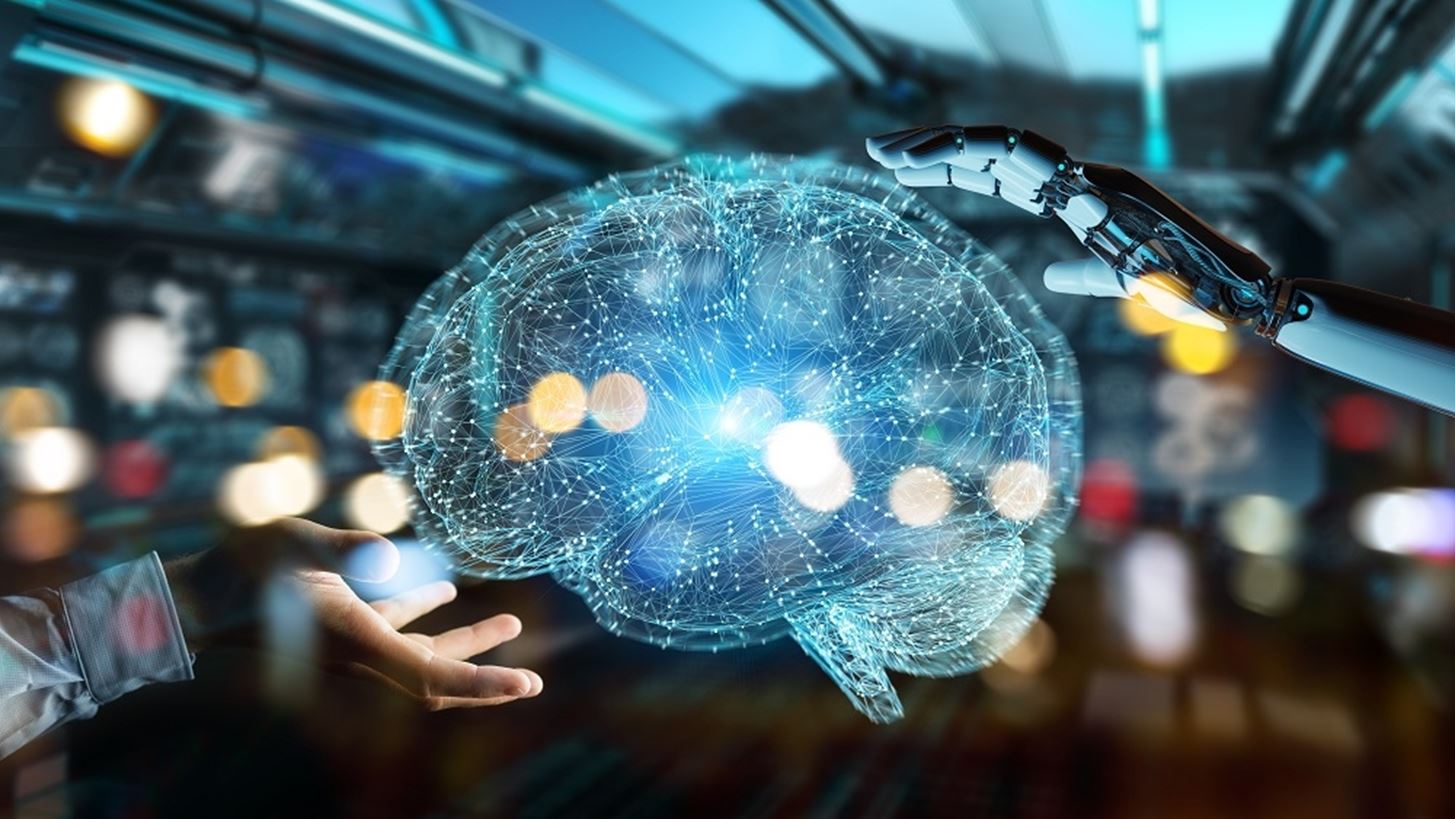
Artificial intelligence (AI) has evolved to the point where it is increasingly difficult to distinguish whether one is communicating with a real person or an advanced program. Hany Farid, an expert in digital deception, describes his experience with a video call that appeared to be with Barack Obama, but led him to suspect it was a deepfake. Deepfake technology has advanced so much that it can bypass traditional verification methods, such as asking the interlocutor to make specific movements. Large language models (LLMs) can now solve captchas and pass the Turing test, eroding trust in online interactions. In a world where communication is increasingly mediated by the internet, the ability to discern between reality and deception is becoming critical. AI technology is being used to create convincing fake identities and carry out scams, making it difficult to trust what one sees or hears online. The evolution of AI raises serious questions about the security and reliability of online interactions. The need for new verification and identity confirmation methods is urgent, as the technology continues to evolve and become more sophisticated.
You Might Also Like
Η ομάδα Street Work μια «αγκαλιά» για τους άστεγους της Αθήνας
Dec 25

CNN: Η σκιά της Ρωσίας πάνω από την Ευρώπη
Dec 25

Τα Χριστούγεννα της μοναξιάς για πολλούς ηλικιωμένους – Όταν τα φώτα ανάβουν, κάποια σπίτια μένουν στο μισοσκόταδο
Dec 30
31 Δεκεμβρίου: Σαν σήμερα ο Πολ ΜακΚάρτνεϊ με αγωγή του ζητά τη διάλυση των Beatles
Dec 31