Του Wesley Alexander Hill
Στις 28 Φεβρουαρίου 2026, ξεκίνησε η σύγκρουση με το Ιράν μετά τις επιθέσεις των ΗΠΑ και του Ισραήλ. Με στόχο την αποδυνάμωση των πυραυλικών και πυρηνικών προγραμμάτων της Τεχεράνης, η επιχείρηση “Επική Οργή” συνεχίζεται. Η επακόλουθη κλιμάκωση έπληξε τις εγκαταστάσεις παραγωγής ενέργειας σε ολόκληρο τον Περσικό Κόλπο και οδήγησε σε κλείσιμο του Στενού του Ορμούζ.
Το κλείσιμο του Ορμούζ δεν είναι πρόβλημα μόνο για τις παγκόσμιες αγορές, αλλά και ιδιαίτερο στρατηγικό “αγκάθι” για την Κίνα. Το 37% του πετρελαίου που διέρχεται από το Στενό έχει ως προορισμό την Κίνα. Εξ ου και τροφοδοτήθηκαν σενάρια που ήθελαν την Κίνα να αναλαμβάνει πιο ενεργό ρόλο στη σύγκρουση για να υπερασπιστεί τα οικονομικά της συμφέροντα.
Παρά τη συμφωνία στρατηγικής συνεργασίας με την Τεχεράνη, το Πεκίνο έχει καλέσει σε αποκλιμάκωση, έχει υποσχεθεί στήριξη στο Ιράν και έχει δώσει προτεραιότητα στη σταθερότητα των τιμών ενέργειας σε βάρος των συμμαχιών και των πολιτικών συμφωνιών. Οι προσεκτικές δηλώσεις και οι περιορισμένες δημόσιες τοποθετήσεις για τη σύρραξη στη Μέση Ανατολή υποδηλώνουν μεν την υφέρπουσα ένταση μεταξύ Κίνας-ΗΠΑ και τη διαχρονική σχέση μεταξύ Κίνας-Ιράν, αλλά και σκιαγραφεί το πού θα δώσει προτεραιότητα το Πεκίνο εν μέσω κλιμάκωσης του πολέμου. Ακόμα και η επιλογή των λέξεων είναι δηλωτική του γεγονότος πως το Πεκίνο δεν έχει ούτε το οικονομικό κίνητρο ούτε το στρατηγικό στρατιωτικό περιθώριο να διακινδυνεύσει για χάρη της Τεχεράνης.
Αντικρουόμενες προτεραιότητες: Σινο-αραβικές έναντι σινο-ιρανικών σχέσεων
Όταν ο πρόεδρος Σι Τζινπίνγκ μεσολάβησε για τη διπλωματική εξομάλυνση των σχέσεων μεταξύ Σαουδικής Αραβίας και Ιράν το 2023, ουσιαστικά η Κίνα πήρε θέση στα γεγονότα της Μέσης Ανατολής με πιο αμερόληπτο τρόπο. Κύριος στόχος αυτής της προσέγγισης δεν ήταν να υποστηρίξει το Ιράν, αλλά να συνδράμει στη σταθεροποίησει του Κόλπου, ο οποίος παίζει σημαντικό ρόλο για την ενεργειακή ασφάλεια της Κίνας. Ακολούθησε ένα κύμα αισιοδοξίας στο Πεκίνο και ένα… κύμα πανικού στη Δύση: η κινεζική διπλωματία θα μπορούσε να γεφυρώσει τα προβλήματα μετάξυ Αράβων και Ιρανών.
Δεν συνέβη όμως αυτό.
Οι σχέσεις Κίνας-Ιράν και Κίνας-Αραβικών κρατών, στο επίπεδο που βρίσκονται σήμερα, εμποδίζουν το Πεκίνο να υποστηρίξει εμπλεκόμενα μέρη στον πόλεμο, αφού έχει δεσμούς όχι μόνο με την Τεχεράνη, αλλά και με το Ισραήλ και άλλες χώρες του Κόλπου. Η Κίνα είναι ο μεγαλύτερος καταναλωτής πετρελαίου για πολλές αραβικές χώρες, ανάμεσά τους και η Σαουδική Αραβία, και εξαρτάται πολύ περισσότερο από το αραβικό πετρέλαιο παρά από το ιρανικό. Αν και η Κίνα συντονίζεται με το Ιράν για την αγορά αργού, στην ουσία εξαρτάται περισσότερο από τον Κόλπο. Περίπου το 50% του πετρελαίου που εισάγει η Κίνα προέρχεται από αραβικά κράτη, όπως η Σαουδική Αραβία, και μόλις το 17% από το Ιράν. Η σινο-αραβική εφοδιαστική αλυσίδα “μεταφράζεται” σε περισσότερα από 4 εκατ. βαρέλια αργού την ημέρα που εισάγονται στην Κίνα, ενώ το ιρανικό πετρέλαιο αριθμεί 1,38 εκατ. βαρέλια.
Το ρίσκο για τη στρατιωτική φήμη του Πεκίνου
Ο υπουργός Εξωτερικών της Κίνας, Γουάνγκ Γι έχει ζητήσει κατάπαυση του πυρός και έχει αντιταχθεί στις επιθέσεις κατά του Ιράν. Ωστόσο η κινεζική υποστήριξη προς το Ιράν περιορίζεται σε ρητορικές δηλώσεις. Αυτή η απροθυμία της να παρέμβει εν μέρει οφείλεται στη στρατιωτική κατάσταση της Κίνας. Η απόδοση των κινεζικών συστημάτων αεράμυνας που εξάγονται στο εξωτερικό είναι αμφιλεγόμενη όσον αφορά την ισχύ της. Την τελευταία δεκαετία η Κίνα δεν έχει πουλήσει προηγμένα συστήματα αεράμυνας στο Ιράν. Αυτά που έχει στείλει στην Τεχεράνη, όπως και τα παλιότερης γενιάς drones και UAV, δεν ξεχωρίζουν ιδιαίτερα για την απόδοσή τους. Ως τώρα τα κινεζικά συστήματα αεράμυνας δεν έχει αναχαιτίσει ούτε ένα ισραηλινό, αμερικανικό ή αραβικό αεροσκάφος.
Πρόκειται για συστήματα αεράμυνας που μπορεί να είναι οικονομικά πιο προσιτά, ιδίως σε σύγκριση με τα δυτικά, αλλά υπάρχουν κενά στην αποτελεσματικότητα και στην ισχύ τους. Η Κίνα είναι μεν μια εναλλακτική λύση για την προμήθεια οπλικών συστημάτων σε κράτη όπως το Ιράν, ωστόσο χρησιμοποιεί κυρίως τη διπλωματία ως στρατηγική και όχι τη στρατιωτική κλιμάκωση. Αν η Κίνα εμπλακεί μέσω στρατιωτικών ενεργειών στη σύρραξη της Μέσης Ανατολής, δεδομένου ότι ο πολεμικός της εξοπλισμός ενδέχεται να μην πετύχει τα επιθυμητά αποτελέσματα, κινδυνεύει η στρατιωτική της φήμη εφόσον αποκαλυφθούν κενά και ελαττώματα των πολεμικών της εξοπλισμών.
Προτεραιότητες η Ταϊβάν και ο Λαϊκός Απελευθερωτικός Στρατός
Οι στρατιωτικές προτεραιότητες της Κίνας βρίσκονται αλλού. Στις 26 Φεβρουαρίου, δύο ημέρες πριν από την επίθεση των ΗΠΑ και του Ισραήλ κατά του Ιράν, το Εθνικό Λαϊκό Κογκρέσο της Κίνας (NPC) καρατόμησε δέκα αξιωματικούς του Λαϊκού Απελευθερωτικού Στρατού (PLA), στο πλαίσιο της “διαρκούς” εκκαθάρισης του κινεζικού στρατού. Μεταξύ εκκαθάρισης και αναδιάρθρωσης, η Κίνα έχει τα εσωτερικά της θέματα και μεταρρυθμίσεις όπου πρέπει να επικεντρωθεί, γεγονός που την περιορίζει στο να παρεμβαίνει στο εξωτερικό, ακόμα και στην περίπτωση της σύγκρουσης ΗΠΑ-Ισραήλ με Ιράν.
Στο επίκεντρο του κινεζικού ενδιαφέροντος βρίσκεται η Ταϊβάν. Ο πόλεμος στη Μέση Ανατολή δεν υποσκελίζει τη σημασία που έχει η Ταϊβάν για το Πεκίνο. Η Κίνα δεν θέλει να αποσπάσει την προσοχή της από αυτό το ζήτημα. Η αξιοποίηση δυνάμεων και πόρων στη Μέση Ανατολή θα είχε περιορισμένα οφέλη για το Πεκίνο και δεν θα άλλαζε σημαντικά τις σχέσεις της με το Ιράν.
Η Κίνα ίσως ωφεληθεί περισσότερο από το γεγονός ότι οι Ηνωμένες Πολιτείες, το Ισραήλ και διάφοροι Άραβες σύμμαχοί τους θα εμπλακούν σε έναν πόλεμο, ή ακόμη και σε μια αβέβαιη ειρήνη, στη Μέση Ανατολή. Θα δώσει στο Πεκίνο τη δυνατότητα να πιέσει την Ταϊβάν κατά το δοκούν, ενώ θα δοκιμάσει τις αμερικανικές δεσμεύσεις. Ακόμη και αν η συμμαχία που πολεμά το Ιράν πετύχει τους στόχους της, αυτό δεν σημαίνει πως θα διακοπούν οι εξαγωγές ενέργειας προς την Κίνα.
Μεταξύ των σχέσεών της με το Ιράν και τα αραβικά κράτη και της προτεραιότητας που δίνει σε συγκρούσεις πιο κοντά στην επικράτειά της, η Κίνα υιοθετεί μια προσεκτική στάση, ποντάροντας στην αποτυχία των ΗΠΑ αντί να αναλάβει δράση για να οδηγήσει την Ουάσινγκτον σε αποτυχία. Αν και έχει ζητήσει την αποκλιμάκωση της έντασης και έχει καταδικάσει τις επιθέσεις των ΗΠΑ και Ισραήλ κατά του Ιράν, η ρητορική της δεν είναι εμπρηστική. Η ιεράρχηση των συμφερόντων της είναι ο κύριος παράγοντας για τη λήψη αποφάσεων της Κίνας, καθώς η σταθερότητα στον Περσικό Κόλπο και η εξασφάλιση της ροής υδρογονανθράκων είναι πιο σημαντικά ζητήματα. Το ενδεχόμενο να αποκαλυφθούν τα κενά στον στρατιωτικό της εξοπλισμό, το ενδιαφέρον της για την Ταϊβάν και οι στρατιωτικές εκκαθαρίσεις στο εσωτερικό της χώρας παίζουν επίσης σημαντικό ρόλο. Καθώς ο πόλεμος κλιμακώνεται και συνεχίζεται, η Κίνα μάλλον θα παραμείνει -κατ’ όνομα- σύμμαχος του Ιράν.
Why China Won't Militarily Engage in the Iran–US–Israel War
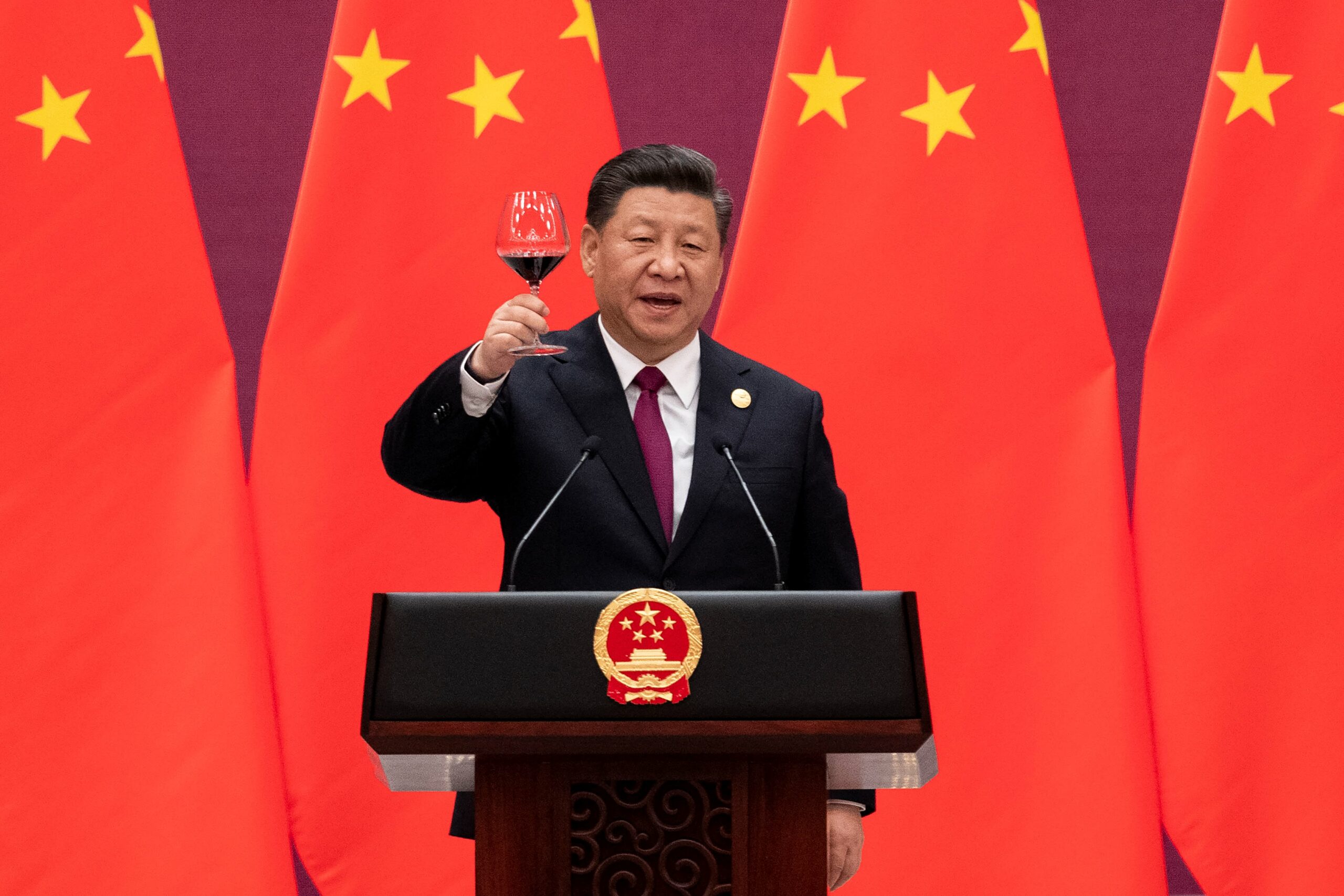
The conflict that began on February 28, 2026, between Iran, the US, and Israel, with Operation 'Epic Fury' targeting Iran's nuclear and missile programs, has led to the closure of the Strait of Hormuz. This closure, beyond its global economic impact, significantly affects China, which imports 37% of its oil through this strait. Despite its strategic cooperation with Iran, China is choosing a cautious approach, calling for de-escalation and prioritizing energy price stability. China, having mediated the normalization of relations between Saudi Arabia and Iran in 2023, seeks a more impartial approach in the region, with the primary goal of stabilizing the Gulf and ensuring its energy security. China maintains strong ties with both Iran and Arab countries, which prevents it from taking a clear position in the conflict. The economic dependence of China on Arab oil is significantly greater than its dependence on Iranian oil. Approximately 50% of the oil imported by China comes from Arab countries, while only 17% comes from Iran. This difference in percentages makes protecting relations with Arab countries a priority for Beijing. Overall, China, despite its agreement with Iran, appears to prioritize its economic stability and energy security, avoiding direct military involvement in the conflict. Its cautious stance and emphasis on de-escalation suggest that Beijing has neither the economic incentive nor the strategic margin to risk for the sake of Tehran.
You Might Also Like
Χωρίς εκπλήξεις η ενδεκάδα του Θελάδες
Feb 21
Ιράν: Κοντά σε συμφωνία με την Κίνα για την αγορά υπερηχητικών πυραύλων κατά πλοίων – Τι θα σημαίνει αν κλείσει το deal
Feb 24

Κρίση στη Μέση Ανατολή: Επιτυχία στην τακτική, αβεβαιότητα στη στρατηγική για ΗΠΑ – Ισραήλ – Εννέα ζητήματα για τη σύγκρουση με Ιράν
Mar 2
Επίθεση ΗΠΑ στο Ιράν: Γιατί ο μεγάλος κερδισμένος μπορεί να είναι η Κίνα
Mar 2

Η Κίνα υποστηρίζει Ιράν ωστόσο δεν θα διακινδύνευε αναμέτρηση με ΗΠΑ, εκτιμούν αναλυτές
Mar 5