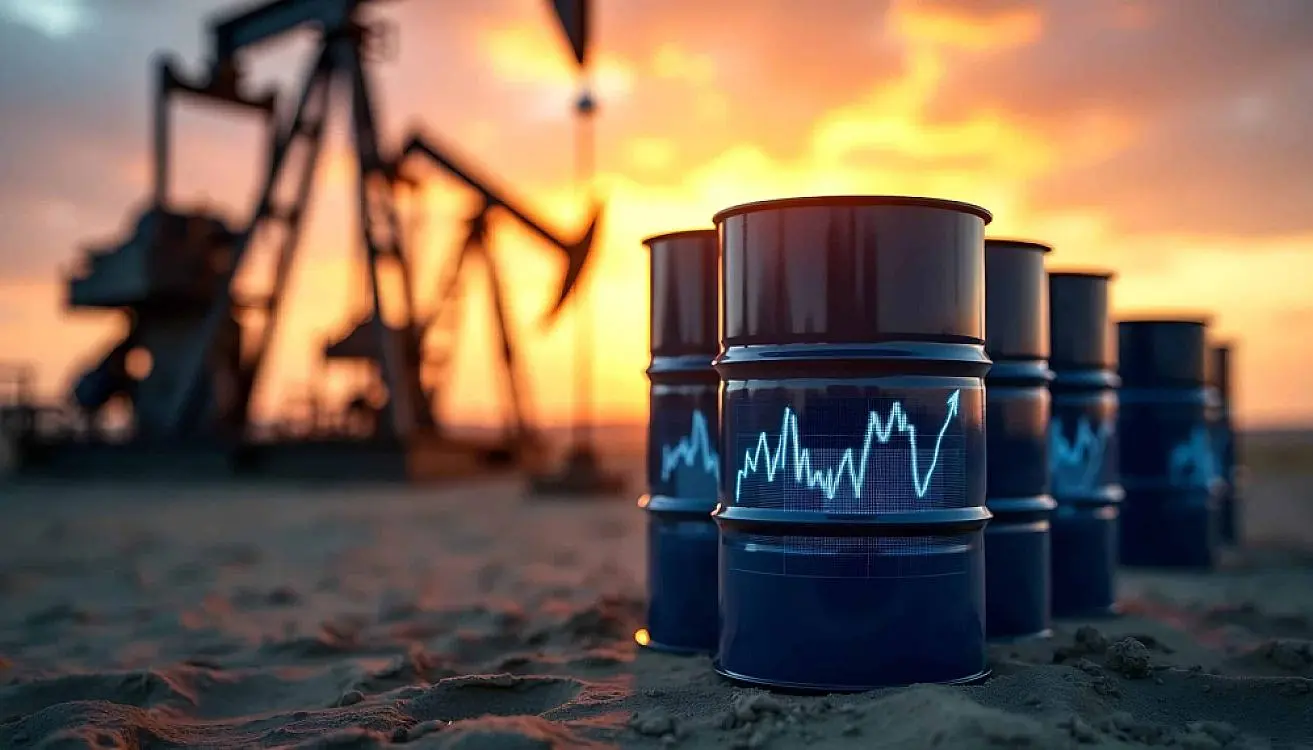
Η άνοδος της τιμής του Brent στα 150 δολάρια το βαρέλι θα έχει ως αποτέλεσμα την αύξηση της παραγωγής στο Δυτικό Ημισφαίριο, ενώ παράλληλα θα επιταχύνει τις πρωτοβουλίες για εναλλακτικές πηγές ενέργειας και θα μειώσει τη ζήτηση σε τομείς υψηλής ενεργειακής κατανάλωσης και στις χώρες των αναδυόμενων αγορών που εισάγουν πετρέλαιο – ανοίγοντας τελικά τον δρόμο για διόρθωση των τιμών. Η Ιστορία δείχνει πως δύο είναι οι χρονικές τάσεις για διόρθωση: είτε εντός 60 ημερών ή εντός 6 ετών. Το σενάριο με το Ιράν μοιάζει περισσότερο με τη σύντομη εκδοχή ανάκαμψης, αν και είναι απίθανο οι τιμές να επανέλθουν στα προπολεμικά επίπεδα, ακόμη και στην καλύτερη περίπτωση. Τα 150 δολάρια το βαρέλι είναι μια ανησυχητικά υψηλή τιμή, αλλά δημιουργούν και τον χώρο για διόρθωση.
Γιατί τα 150 δολάρια το βαρέλι διαφέρουν από το ορόσημο των 100 δολαρίων;
Δύο φορές στο παρελθόν το πετρέλαιο έχει περάσει σημαντικές περιόδους πάνω από τα 100 δολάρια. Το 2008 έφτασε στο επίπεδο των 147 δολαρίων, ενώ από το 2011 έως το 2014 ο “μαύρος χρυσός” διατηρήθηκε πολύ πάνω από τα 100 δολ. Αν το πετρέλαιο διατηρηθεί στα επίπεδα των 150 δολαρίων για περισσότερες από 8 εβδομάδες, τότε θα υπάρχει μια ποιοτική διαφορά: στα προ κρίσης επίπεδα (65-70 δολ. το βαρέλι), οι δαπάνες για το πετρέλαιο ήταν περίπου στο 2,5-3% του ΑΕΠ παγκοσμίως. Στα 150 δολάρια, το ποσοστό αυτό σχεδόν διπλασιάζεται, περνώντας στην ιστορική ζώνη κινδύνου του 5-6%. Μια γεωπολιτική αύξηση της τιμής του πετρελαίου για 10 ημέρες προκαλεί ψυχολογικό σοκ χωρίς να επιφέρει πραγματική οικονομική ζημιά. Μια περίοδος 18 μηνών με υψηλές τιμές θα ανάγκαζε την αγορά να επαναξιολογήσει κάθε σύμβαση του κλάδου, καθώς και προϋπολογισμούς και τις συνθήκες στην εφοδιαστική αλυσίδα.
Δύο οι “δρόμοι” προς τα 150 δολάρια
Δρόμος Α – Γεωπολιτικό ράλι: Η τιμή των 150 δολαρίων το βαρέλι αποτυπώνει τον αποκλεισμό στη μεταφορά, όχι την έλλειψη προσφοράς. Το διαρθρωτικό πλεόνασμα παραμένει ανέπαφο. Ακολουθώντας το πρότυπο του Πολέμου του Κόλπου, οι τιμές του πετρελαίου υπερδιπλασιάστηκαν από 17 δολάρια σε 41 δολάρια μέσα σε τρεις μήνες, αποκλειστικά λόγω φόβου. Ωστόσο, όταν ξεκίνησε η επιχείρηση “Desert Storm”, η τιμή υποχώρησε κατά 10 δολάρια σε μία μόνο συνεδρίαση, ανακάμπτοντας πλήρως εντός 60 ημερών. Σε αυτή την περίπτωση τα 150 δολάρια μοιάζουν με παροδική διακύμανση.
Δρόμος Β – Διαρθρωτική αύξηση της ζήτησης: Αυτό συνεπάγεται μια πραγματικά διαρκή ανισορροπία που απαιτεί είτε ύφεση, είτε καθυστέρηση προσφοράς 3-5 ετών, είτε διαρθρωτική υποκατάσταση μεγάλης κλίμακας. Οι τιμές του πετρελαίου κορυφώθηκαν στα 147 δολάρια τον Ιούλιο του 2008, και ως τον Δεκέμβριο του ίδιου έτους έπεσαν στα περίπου 32 δολάρια το αμερικανικό αργό και στα 36 δολάρια το Brent. Αν δεν είχε καταρρεύσει η Lehman, η διαρθρωτική ανοδική τάση θα μπορούσε να είχε επεκταθεί μέχρι το 2009. Σε αυτό το σενάριο, τα 150 δολάρια αποτελούν μια πιθανή επένδυση έως ότου μια ύφεση την διαταράξει βίαια.
Τι καταστρέφουν τα 150 δολάρια και πόσο γρήγορα;
Οι αρχικές επιπτώσεις παρατηρούνται στο κόστος των εισροών. Οι μονάδες πυρόλυσης νάφθας στην Ευρώπη και στη Βορειοανατολική Ασία καθίστανται μη κερδοφόρες· οι BASF και Covestro αντιμετωπίζουν αντιστροφή του κόστους των πρώτων υλών χωρίς γεωγραφική εναλλακτική λύση.
Ο κλάδος των αερομεταφορών αντιμετωπίζει άμεσες συνέπειες. Το καύσιμο των αεροσκαφών διαπραγματεύεται με premium 15-25 δολαρίων το βαρέλι σε σύγκριση με το αργό, πλησιάζοντας τα 180+ δολάρια όταν το αργό βρίσκεται στα 150 δολάρια. Η άνοδος της τιμής από τα 73 στα 135 δολάρια το βαρέλι το 2008 πρόσθεσε 99 δισ. δολάρια στις ετήσιες δαπάνες για καύσιμα αεροσκαφών. Οι αεροπορικές εταιρείες συνήθως αντισταθμίζουν το 30-60% των αναγκών τους σε καύσιμα 6-12 μήνες νωρίτερα, με αποτέλεσμα οι αερομεταφορείς που δεν έχουν αντισταθμίσει να αντιμετωπίζουν σοβαρές πιέσεις στα περιθώρια κέρδους τους εντός ενός τριμήνου.
Ο τομέας που παραβλέπεται είναι αυτός των λιπασμάτων. Τα αζωτούχα λιπάσματα εξαρτώνται από το φυσικό αέριο μέσω της μεθόδου Haber-Bosch. Με το αργό πετρέλαιο στα 150 δολάρια σε συνδυασμό με την ταυτόχρονη άνοδο της τιμής του φυσικού αερίου, το κόστος της ουρίας/αμμωνίας αυξάνεται κατά 40-80%, αυξάνοντας τις παγκόσμιες δαπάνες για την παραγωγή τροφίμων. Ο πληθωρισμός των τροφίμων αποτελεί πολιτική “σπίθα” στις αναπτυσσόμενες χώρες, θυμίζοντας το ντόμινο της “Αραβικής Άνοιξης”: το 2010, ένας καύσωνας στη Ρωσία κατέστρεψε τις σοδειές και σταμάτησε τις εξαγωγές σιταριού, εξαλείφοντας το 10% της παγκόσμιας προσφοράς. Αυτό οδήγησε τις παγκόσμιες τιμές των τροφίμων σε πρωτοφανή ύψη στις αρχές του 2011, καθιστώντας το ψωμί απρόσιτο στη Μέση Ανατολή και προκαλώντας τις εξεγέρσεις της Αραβικής Άνοιξης.
Ωστόσο, αν οι τιμές αυξηθούν τόσο πολύ, δεν θα μειωθεί η ζήτηση, οδηγώντας σε αυτοδιόρθωση;
Η μείωση της ζήτησης μπορεί να είναι πιο αργή
Ανεπτυγμένες οικονομίες: Μπορεί οι τιμές των καυσίμων να εκτοξεύονται, όμως οι οδηγικές συνήθειες αλλάζουν ελάχιστα. Ακόμη και με αύξηση 50% στις τιμές των καυσίμων, η συνολική κατανάλωση καυσίμων μειώνεται ελαφρώς, συνήθως μεταξύ 2,5% και 15% κατά τους επόμενους 6-12 μήνες. Έρευνες δείχνουν ότι οι σημερινοί οδηγοί είναι περίπου τέσσερις έως πέντε φορές λιγότερο πιθανό να μειώσουν την οδήγηση σε σύγκριση με τους οδηγούς κατά τη διάρκεια των πετρελαϊκών κρίσεων της δεκαετίας του 1970. Πώς, λοιπόν, μειώνονται οι αυξημένες τιμές των καυσίμων; Επειδή οι καταναλωτές δεν θα μειώσουν οικειοθελώς την οδήγηση, οι υψηλές τιμές των καυσίμων συνήθως δεν υποχωρούν μέχρι να επέλθει ύφεση. Όταν τα καύσιμα καταλαμβάνουν υπερβολικά μεγάλο μέρος του προϋπολογισμού των καταναλωτών, αυτοί περιορίζουν άλλες αγορές, βλάπτοντας τις επιχειρήσεις και επιβραδύνοντας την οικονομία.
Εισαγωγείς αναδυόμενων αγορών: Αυτές οι χώρες νιώθουν τον αντίκτυπο πιο γρήγορα και πιο έντονα. Οι ετήσιες δαπάνες εισαγωγής πετρελαίου της Ινδίας πλησιάζουν τα 250-270 δισ. δολάρια με τιμή 150 δολάρια (σε σύγκριση με περίπου 130 δισ. δολάρια με τιμή 80 δολάρια το βαρέλι). Το έλλειμμα του ισοζυγίου τρεχουσών συναλλαγών ξεπερνά το 4-5% του ΑΕΠ. Η υποτίμηση της ρουπίας επιβαρύνει το κόστος εισαγωγών σε τοπικό νόμισμα πέραν της αναφερόμενης τιμής, οδηγώντας σε κατάρρευση της ζήτησης λόγω αδυναμίας πληρωμής εντός λίγων μηνών. Οι ανάγκες εξωτερικής χρηματοδότησης του Πακιστάν αυξάνονται κατά 8-12 δισεκατομμύρια δολάρια ετησίως, ασκώντας πίεση στα τρέχοντα προγράμματα του ΔΝΤ.
Η Κίνα (εισαγωγές ~10,5 εκατ. βαρέλια την ημέρα) αποτελεί ξεχωριστή περίπτωση. Διαθέτει το δεύτερο μεγαλύτερο στρατηγικό απόθεμα πετρελαίου στον κόσμο και λειτουργεί με πλεόνασμα στο εμπορικό ισοζύγιο. Ο κίνδυνος εδώ είναι πολιτικός και όχι λόγω ζητημάτων ισοζυγίου πληρωμών, με πιθανή διάθεση του στρατηγικού αποθέματος σε συμμάχους της ASEAN ως γεωπολιτική στρατηγική.
Εναλλακτικές λύσεις για το πετρέλαιο: Αυτές αναπτύσσονται με άνισο ρυθμό. Το μερίδιο αγοράς των ηλεκτρικών οχημάτων στην Κίνα έχει ήδη φτάσει περίπου το 50% των πωλήσεων καινούργιων αυτοκινήτων το 2024· μια τιμή 150 δολαρίων το βαρέλι συμπιέζει περαιτέρω τις περιόδους απόσβεσης. Η Ινδία βρίσκεται αντιμέτωπη με μια κρίσιμη απόφαση μεταξύ της επιδότησης εισαγωγών ή της επιτάχυνσης της μετάβασης στα ηλεκτρικά οχήματα. Οι υφιστάμενοι φορείς εκμετάλλευσης πυρηνικής ενέργειας αποκομίζουν άμεσα οφέλη· η Cameco και οι εταιρείες εξόρυξης ουρανίου παρουσιάζουν μια επενδυτική προοπτική 3-5 ετών. Η αλήθεια -που προκαλεί ανησυχία- είναι ότι Ινδία και Νοτιοανατολική Ασία ενδέχεται να στραφούν ξανά στον άνθρακα.
Εντέλει η τιμή του πετρελαίου θα διορθωθεί, με τη μόνη αβεβαιότητα να είναι η πορεία που θα ακολουθήσει.
Πώς θα μπορούσε να διαμορφωθεί η διόρθωση;
1. Βραχυπρόθεσμα (εβδομάδες): Μια διπλωματική εκεχειρία ή η αποδυνάμωση των Φρουρών της Επανάστασης θα μπορούσε να οδηγήσει σε μια κερδοσκοπική απομάκρυνση. Το πιο κοντινό ιστορικό παράδειγμα είναι η επίθεση στο Abqaiq της Σαουδικής Αραβίας το 2019, όταν το Brent σημείωσε άνοδο άνω του 15%, αλλά επανήλθε πλήρως στα προηγούμενα επίπεδα μέσα σε 2 εβδομάδες.
2. Μεσοπρόθεσμα (3 έως 6 μήνες): Μια μερική επαναλειτουργία του Στενού του Ορμούζ, σε συνδυασμό με την επανέναρξη της παραγωγής στο Ιράκ και το Κουβέιτ, θα σήμαινε την επιστροφή περίπου 4 εκατ. βαρελιών την ημέρα στην αγορά, ενώ θα γινόταν διαθέσιμη η εφεδρική παραγωγική ικανότητα της Σαουδικής Αραβίας (περίπου 2-2,5 εκατ. βαρέλια ημερησίως). Το διαρθρωτικό πλεόνασμα που υπήρχε πριν τον πόλεμο θα αποκατασταθεί.
3. Κίνδυνος “ουράς”: Μια επίθεση στις υποδομές της Aramco θα μπορούσε να παρατείνει την περίοδο διόρθωσης σε 12 έως 24 μήνες, καθώς η νέα παραγωγική ικανότητα δεν μπορεί να ενεργοποιηθεί γρήγορα.
4. Βάση στήριξης μετά την επίλυση της κρίσης: Είναι απίθανο οι τιμές να σταθεροποιηθούν σε χαμηλά επίπεδα, όπως τα 40 δολάρια το βαρέλι, παρόλο που η βασική πρόβλεψη του Διεθνούς Οργανισμού Ενέργειας πριν από τη σύγκρουση στη Μέση Ανατολή υποδείκνυε ότι η προσφορά θα υπερέβαινε κατά πολύ τη ζήτηση έως το 2026. Οι τιμές μετά την επίλυση της κρίσης θα σταθεροποιηθούν πιθανώς μεταξύ των 60 και 80 δολαρίων, όχι χαμηλότερα, καθώς ο πόλεμος θα προσαρμόσει μόνιμα τα ασφάλιστρα κινδύνου διαμετακόμισης στον Κόλπο για τους επόμενους 18 έως 24 μήνες.
Oil at $150: The Shock Threatening the Economy and Markets
The rise in oil prices to $150 a barrel is expected to lead to increased production in the Western Hemisphere and accelerate the development of alternative energy sources. Simultaneously, demand will decrease in countries with high energy consumption and in emerging markets that import oil, creating the conditions for a future price correction. Historically, corrections occur within 60 days or 6 years, with the Iran scenario favoring the former, although a return to pre-war price levels is unlikely. The $150 per barrel price differs from the $100 threshold, as oil expenditure as a percentage of global GDP almost doubles, reaching risk levels (5-6%). A prolonged period of high prices (18 months) will force the market to reassess contracts, budgets, and supply chains. There are two potential paths to $150: a geopolitical rally, due to transportation blockades and not supply shortages, and a structural increase in demand, requiring recession, supply delays, or large-scale substitution. The geopolitical rally is considered more temporary, as happened in the Gulf War. A structural increase in demand, as seen in 2008, can lead to higher prices, but is vulnerable to recession. $150 could be a temporary investment until a recession intervenes. The initial impact of $150 is immediate and significant, affecting economies and markets worldwide.