Του Νίκου Μεσαρίτη*
Η στήλη Ανθρώπων Αρχιτεκτονική φιλοδοξεί να πληροφορήσει πώς η αρχιτεκτονική μέσα από κοινωνική ευθύνη διαμορφώνει τη ζωή μας και να απαντήσει γενικά σε ερωτήματα. Η αρχιτεκτονική δεν αφορά μόνο τα κτήρια, αλλά πρώτιστα τη ζωή μέσα σε αυτά.
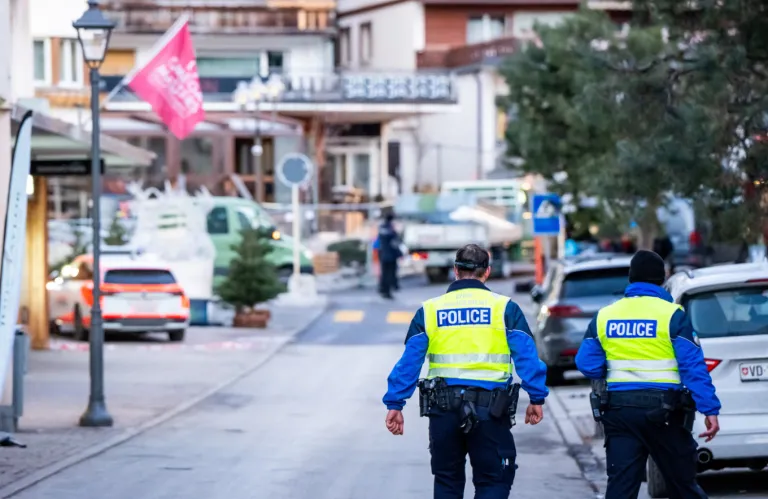
Ζούμε σε χώρους που δεν είναι ουδέτεροι. Είναι ζωντανοί και η λειτουργία τους απαιτεί επιστημονική γνώση να οργανώνει την απαραίτητη ποιότητα. Μια σοβαρή πτυχή της ποιότητας αυτής είναι η ασφάλεια των χρηστών. Οπότε η προστασία ενός χώρου από τη φωτιά δεν αποτελεί τεχνική λεπτομέρεια ούτε απλή κανονιστική υποχρέωση. Είναι θεμελιώδης αρχή της αρχιτεκτονικής ευθύνης απέναντι στον άνθρωπο. Με τον πιο τραγικό τρόπο, η θανατηφόρα πυρκαγιά στο Κραν Μοντανά μας υπενθύμισε ότι η πυρασφάλεια δεν είναι θεωρία· είναι ζήτημα ζωής και θανάτου. 47 νεκροί, όπου ο αριθμός θα μεγαλώνει με τον θάνατο θαμώνων που σήμερα είναι τραυματίες, περισσότεροι από 110.
Στην αρχιτεκτονική επιστήμη, η πυρασφάλεια εντάσσεται στον πυρήνα του σχεδιασμού. Δεν αφορά μόνο την κατάσβεση, αλλά κυρίως την πρόληψη, τον έλεγχο της εξάπλωσης της φωτιάς και, πάνω απ’ όλα, την ασφαλή διαφυγή. Γι’ αυτό και στις περισσότερες χώρες ο έλεγχος πυρασφάλειας αποτελεί προϋπόθεση για την έγκριση μιας αρχιτεκτονικής μελέτης και την έκδοση άδειας οικοδομής.
Η ασφαλής διαφυγή ως κεντρική αρχή. Κεντρικός στόχος των κανονισμών πυροπροστασίας είναι η εξασφάλιση ασφαλούς και επαρκούς πορείας διαφυγής. Αυτό μεταφράζεται σε συγκεκριμένες αρχιτεκτονικές παραμέτρους: μέγιστες επιτρεπόμενες αποστάσεις από κάθε σημείο ενός ορόφου μέχρι την έξοδο, επαρκή πλάτη διαδρόμων και κλιμακοστασίων, καθώς και τη χρήση πυράντοχων θυρών που κλείνουν αυτόματα, περιορίζοντας την εξάπλωση της φωτιάς και του καπνού. Ιδιαίτερη σημασία έχει η προστασία των κλιμακοστασίων, που αποτελούν τη βασική οδό διαφυγής σε πολυώροφα κτήρια. Τα κλιμακοστάσια οφείλουν να παραμένουν ελεύθερα τόσο από φωτιά όσο και από καπνό, καθώς ο καπνός είναι συχνά και αυτός δολοφόνος σε περιπτώσεις πυρκαγιάς.
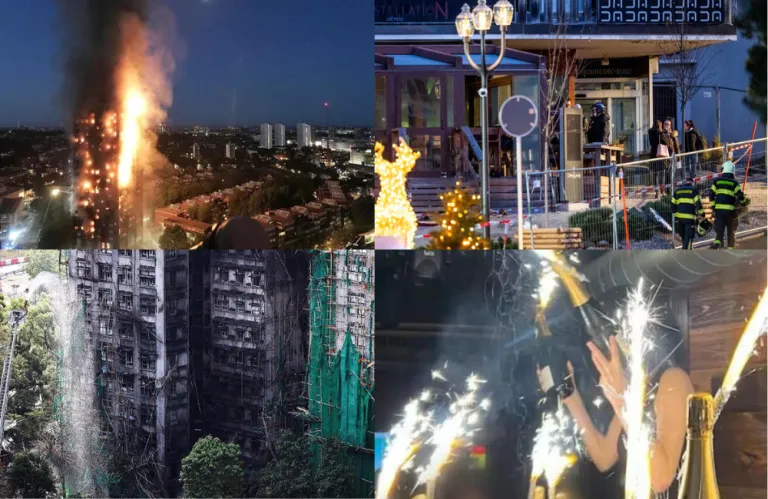
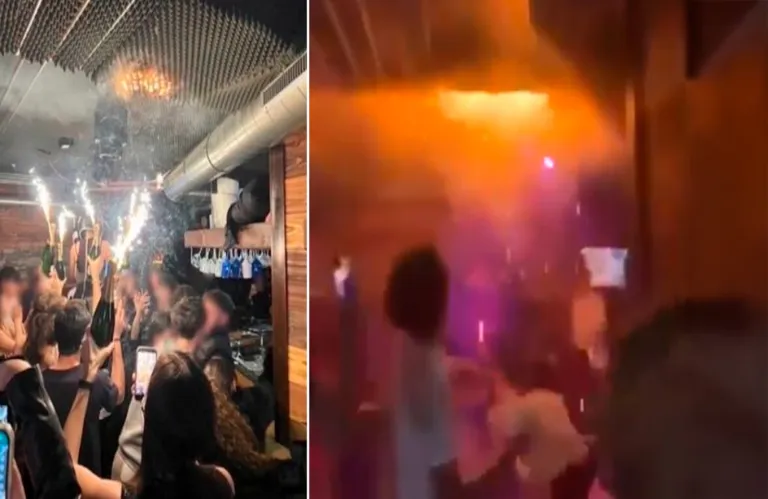
Υλικά και χρήση: κρίσιμος συνδυασμός. Η πυρασφάλεια δεν εξαντλείται στη γεωμετρία του χώρου. Η επιλογή υλικών είναι καθοριστική. Υλικά επενδύσεων, οροφών και διακοσμήσεων οφείλουν να πληρούν συγκεκριμένες προδιαγραφές αντοχής στη φωτιά. Στην περίπτωση του Κραν Μοντανά, η φωτιά ξεκίνησε από τις ηχοαπορροφητικές πλάκες επένδυσης της οροφής, οι οποίες αποδείχθηκαν εξαιρετικά εύφλεκτες. Το περιστατικό σημειώθηκε την ώρα που το μπαρ ήταν γεμάτο από κόσμο, ακόμα και από ανήλικους που γιόρταζαν την έλευση του νέου έτους. Η φωτιά φαίνεται να ξεκίνησε όταν ένας σερβιτόρος, που χόρευε ανεβασμένος στους ώμους συναδέλφου του, κράτησε πολύ κοντά στο ταβάνι ένα αναμμένο βεγγαλικό, σαν αυτό που βάζουμε στις τούρτες γενεθλίων. «Το βεγγαλικό πλησίασε υπερβολικά το ταβάνι και μέσα σε λίγα λεπτά πήρε φωτιά», Όλο το ταβάνι τυλίχθηκε στις φλόγες και η φωτιά εξαπλώθηκε απίστευτα γρήγορα. «Η σκάλα εξόδου από το νυχτερινό κλαμπ ήταν εξαιρετικά στενή. Ο κόσμος έσπρωχνε μαζικά με αποτέλεσμα αρκετοί να ποδοπατηθούν». Οι θαμώνες προσπαθούσαν απεγνωσμένα να διαφύγουν από τη μοναδική σκάλα που οδηγούσε στο ισόγειο και έξω.
Παραδείγματα καταστροφής: στο Λονδίνο στον Πύργο Γκρένφελ, έχασαν τη ζωή τους άνθρωποι. Παρόλο που τον Μάρτιο του 2014, η διακομματική κοινοβουλευτική ομάδα πυρασφάλειας και διάσωσης δήλωσε ότι έχει αρκετά στοιχεία και αποδείξεις για τουλάχιστον 4.000 κτήρια στο Λονδίνο, τα οποία χρήζουν άμεσου ελέγχου. Στην τραγωδία στους ουρανοξύστες του Χονγκ Κονγκ: οι νεκροί από τη φωτιά έφτασαν στους 128, στο αποκορύφωμά της η θερμοκρασία εντός των κτηρίων έφτασε τους 500°C. Η φλόγα «ταξίδεψε» μέσα σε λίγα λεπτά λόγω της φελιζόλ (Styrofoam) που υπήρχε εξωτερικά στα παράθυρα. Η αρχιτεκτονική ασφάλεια δεν λειτουργεί αποκομμένα από τη χρήση του χώρου. Η συμπεριφορά των χρηστών -όπως η χρήση πυροτεχνημάτων σε κλειστό χώρο διασκέδασης- μπορεί να προκαλέσει αξεπέραστα προβλήματα λόγω μη επαρκούς σχεδιασμού.
Όταν ο πανικός γίνεται φονικός: Η σχεδιασμός της διαφυγής δεν αφορά μόνο το αν «υπάρχει έξοδος», αλλά αν αυτή είναι λειτουργική υπό συνθήκες κρίσης. Στενοί διάδρομοι, ανεπαρκή πλάτη, εμπόδια ή κακή σήμανση μπορούν να μετατρέψουν τη διαφυγή σε παγίδα. Σε συνθήκες πανικού, ο συνωστισμός και η πτώση ανθρώπων μπορεί να οδηγήσει σε ποδοπατήματα, πολλαπλασιάζοντας τα θύματα. Στην πραγματικότητα πρέπει να υπάρχει και δεύτερη έξοδος όταν υπάρχει μεγάλο πλήθος θαμώνων. Ιδιαίτερη προσοχή απαιτείται σε κτήρια δημόσιας χρήσης και χώρους που φιλοξενούν μεγάλο αριθμό ατόμων: κέντρα διασκέδασης, θέατρα, εμπορικά κέντρα, ξενοδοχεία, πολυκατοικίες και ψηλά κτήρια γραφείων.
Η ανάγκη διαρκούς ελέγχου: Στην Κύπρο, η τραγωδία στο Constellation Bar επιβάλλει μια ευρύτερη αφύπνιση. Η πυρασφάλεια δεν μπορεί να ελέγχεται μόνο στο στάδιο της μελέτης. Απαιτείται τακτικός και ουσιαστικός έλεγχος του ολοκληρωμένου κτηρίου κατά τη λειτουργία, ώστε να διασφαλίζεται ότι δεν έχουν γίνει μετατροπές ή αλλαγές χρήσης οι επενδύσεις με εύφλεκτα υλικά που μειώνουν το επίπεδο ασφάλειας. Στην περίπτωση του Constellation Bar o δήμος του Κραν Μοντανά παραδέχτηκε ότι επί μια πενταετία δεν διεξήγε περιοδικούς ελέγχους ασφαλείας και πυρασφάλειας.
Να σημειωθεί ότι διακοσμητικές επεμβάσεις και τροποποιήσεις δεν περνούν από τον έλεγχο της Πυροσβεστικής και αυτό επιτρέπει τη χρήση ακατάλληλων υλικών και δημιουργία παγίδων.
Η πυρασφάλεια δεν είναι απλώς ζήτημα κανονισμών. Είναι έκφραση του πώς αντιλαμβανόμαστε την αξία της ανθρώπινης ζωής μέσα στον δομημένο χώρο.
Πρόσκληση στους αναγνώστες για σχόλια και εισηγήσεις στο [email protected]
*Πρώην προέδρου ΕΤΕΚ
Fire Safety: Mistakes are Paid for with Lives
The recent tragedy in the Cran Montana fire, with a death toll of 47 and over 110 injured, highlights the importance of fire safety in architecture. Fire safety is not merely a technical detail or a regulatory obligation, but a fundamental principle of architectural responsibility towards human life. The design of a building must consider prevention, control of fire spread, and the safe evacuation of users. Safe evacuation is a central goal of fire protection regulations, defining specific architectural parameters such as maximum distances from exits, adequate width of corridors and stairwells, and the use of fire-resistant doors. Particular emphasis should be placed on protecting stairwells, which are the primary means of escape in multi-story buildings, ensuring they remain free from fire and smoke. The choice of materials is equally critical, as they must meet specific fire resistance specifications. In the case of Cran Montana, the fire started from flammable sound-absorbing panels, highlighting the need for careful material selection. The incident occurred in a crowded bar, including minors, when a firework was lit near the ceiling. This tragedy serves as a painful reminder that fire safety is a matter of life and death. Architecture must integrate fire safety into the core of its design, considering both the geometry of the space and the choice of materials, in order to effectively protect users from the dangers of fire and smoke.
You Might Also Like

Τραγωδία στο Κραν Μοντανά: «Σερβιτόρος έβαλε φωτιά στο ταβάνι του μπαρ με βεγγαλικό» (video)
Jan 1

Κραν Μοντανά: «Πυροτεχνήματα μέσα σε μπουκάλια σαμπάνιας προκάλεσαν την έκρηξη» λέει αυτόπτης μάρτυρας
Jan 1
Τραγωδία στο Κραν Μοντανά: «Σερβιτόρος στους ώμους συναδέλφου του έβαλε φωτιά στο ταβάνι του μπαρ με βεγγαλικό» λέει αυτόπτης μάρτυρας
Jan 1

ΒΙΝΤΕΟ: Η στιγμή που ξεκινάει η φωτιά μέσα στο μπαρ στο Κραν Μοντανά
Jan 1
Πυροτεχνήματα σε χώρους διασκέδασης και στην Κύπρο: «Καμπανάκι» μετά την τραγωδία στο Κραν Μοντανά
Jan 2