Περίπου 1.000 χιλιόμετρα δυτικά της Πορτογαλία απλώνεται ένα εντυπωσιακό γεωλογικό σύστημα στον πυθμένα του Ατλαντικού, το οποίο συχνά αποκαλείται «Γκραν Κάνιον του Ατλαντικού» λόγω της τεράστιας έκτασής του.
Το σύμπλεγμα αυτό, γνωστό ως King’s Trough (Γούρνα του Βασιλιά), αποτελεί ένα εκτεταμένο δίκτυο τάφρων και λεκανών μήκους περίπου 500 χιλιομέτρων. Η προέλευσή του έχει απασχολήσει έντονα τους επιστήμονες, καθώς μέχρι πρόσφατα θεωρούνταν ότι σχηματίστηκε απλώς από τη διάταση και τη ρήξη του ωκεάνιου φλοιού. Ωστόσο, νεότερη έρευνα δείχνει ότι η διαδικασία ήταν πιο σύνθετη.
Οι μηχανισμοί σχηματισμού
Κατά ρεπορτάζ του CNN, και σύμφωνα με νέα δεδομένα από ερευνητές του GEOMAR Helmholtz Centre for Ocean Research Kiel, ο σχηματισμός του King’s Trough οφείλεται σε συνδυασμό δύο βασικών διεργασιών.
Αρχικά, την αποδυνάμωση του φλοιού λόγω θερμότητας από μια ανερχόμενη θερμική στήλη του μανδύα, όπως και την έντονη πίεση που ασκήθηκε από ένα προσωρινό όριο τεκτονικών πλακών
Οι επιστήμονες χαρτογράφησαν λεπτομερώς την περιοχή με σύγχρονα ηχοβολιστικά συστήματα και ανέλυσαν ηφαιστειακά πετρώματα για να προσδιορίσουν την ηλικία και την προέλευσή τους. Τα αποτελέσματα έδειξαν ότι το σύμπλεγμα δημιουργήθηκε πριν από 37 έως 24 εκατομμύρια χρόνια. Παράλληλα, εντοπίστηκαν ενδείξεις ότι ένα όριο πλακών πέρασε από την περιοχή, προκαλώντας έντονη παραμόρφωση του φλοιού, πριν μετακινηθεί αλλού.
Η ύπαρξη θερμικής στήλης φαίνεται πως έπαιξε καθοριστικό ρόλο, καθώς θέρμανε και αποδυνάμωσε τον φλοιό, καθιστώντας τον πιο ευάλωτο στις τεκτονικές πιέσεις. Αυτό πιθανότατα «καθοδήγησε» το όριο των πλακών να κινηθεί κατά μήκος της συγκεκριμένης ζώνης.
Γιατί δεν εξελίχθηκε περισσότερο
Με βάση το ίδιο ρεπορτάζ, παρά τη δύναμη των διεργασιών αυτών, δεν ήταν αρκετές για να δημιουργήσουν μια εκτεταμένη ζώνη όπως η Μεσο-Ατλαντική Ράχη. Όταν το όριο των πλακών μετακινήθηκε νοτιότερα, προς τις Αζόρες, η εξέλιξη του King’s Trough σταμάτησε.
Η μελέτη συνδέει επίσης το φαινόμενο με την ευρύτερη γεωδυναμική της περιοχής, υποστηρίζοντας ότι η θερμική στήλη που επηρέασε το σύμπλεγμα ίσως αποτελεί πρώιμο στάδιο της σημερινής θερμικής δραστηριότητας στις Αζόρες. Μάλιστα, το Terceira Rift στην ίδια περιοχή θεωρείται πιθανό σύγχρονο ανάλογο, προσφέροντας ένα «ζωντανό εργαστήριο» για την κατανόηση του σχηματισμού τέτοιων υποθαλάσσιων δομών.
Με αυτόν τον τρόπο, η νέα έρευνα φωτίζει πιο ολοκληρωμένα το πώς αλληλεπιδρούν οι κινήσεις των τεκτονικών πλακών με τη θερμότητα από το εσωτερικό της Γης, διαμορφώνοντας εντυπωσιακά γεωλογικά τοπία στον πυθμένα των ωκεανών.
Διαβάστε επίσης: Ο μικρός πίθηκος Punch βρήκε συντροφιά, δείτε εικόνες με τις τρυφερές αγκαλιές
How a 'Grand Canyon' Was Created in the Atlantic - Its Vast Extent
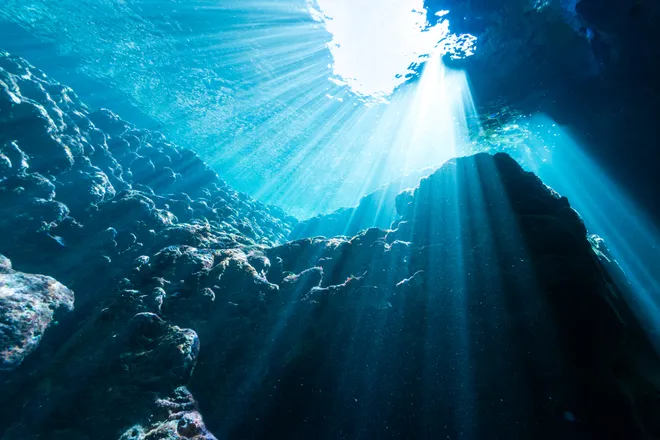
A massive underwater geological system, known as the 'Grand Canyon of the Atlantic' or King’s Trough, has been discovered approximately 1,000 kilometers west of Portugal. This 500-kilometer-long complex consists of an extensive network of trenches and basins. Recent research reveals that its formation is not solely due to the expansion of the oceanic crust, but also to the weakening of the crust by an upwelling thermal plume from the mantle and pressure from a temporary tectonic plate boundary. Scientists, using sonar systems and analyzing volcanic rocks, dated the complex between 37 and 24 million years ago. They also found evidence that a plate boundary passed through the area, causing crustal deformation before moving on. The thermal plume appears to have played a crucial role, weakening the crust and guiding the movement of the plate boundary. Despite the powerful geological forces, King’s Trough did not evolve into an extensive zone like the Mid-Atlantic Ridge, as the plate boundary moved southwards towards the Azores, halting its evolution. The study links the phenomenon to thermal activity in the Azores, suggesting that the thermal plume may be an early stage of this activity. The Terceira Rift in the same region is considered a modern analogue of King’s Trough, offering a 'living laboratory' for understanding the formation of such underwater structures. This research sheds light on the interaction between tectonic plate movements and heat from the Earth's interior, revealing how impressive geological landscapes are shaped on the ocean floor.