Η όξυνση της έντασης στα Στενά του Ορμούζ και οι επιθέσεις σε εμπορικά πλοία αναδεικνύουν τα όρια της αμερικανικής στρατηγικής απέναντι στο Ιράν.
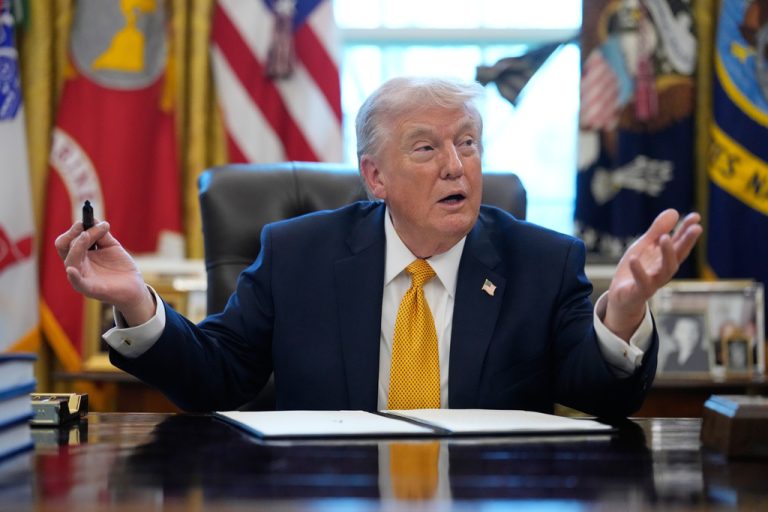
Η έκκληση του Ντόναλντ Τραμπ προς συμμάχους για συμμετοχή σε ναυτικές συνοδείες, σε συνδυασμό με τη διστακτική διεθνή ανταπόκριση, αποτυπώνει ένα σκηνικό ασυνεννοησίας και ελλιπούς προετοιμασίας για την «επόμενη ημέρα».
Όπως επισημαίνεται σε ανάλυση του Guardian, οι εξελίξεις των τελευταίων ημερών αναδεικνύουν την απουσία ενός συνεκτικού αμερικανικού σχεδίου για τη διαχείριση της κρίσης, με την Ουάσινγκτον να εμφανίζεται αιφνιδιασμένη από τις συνέπειες των ίδιων της των επιλογών.
Διεθνής πίεση χωρίς συντονισμό
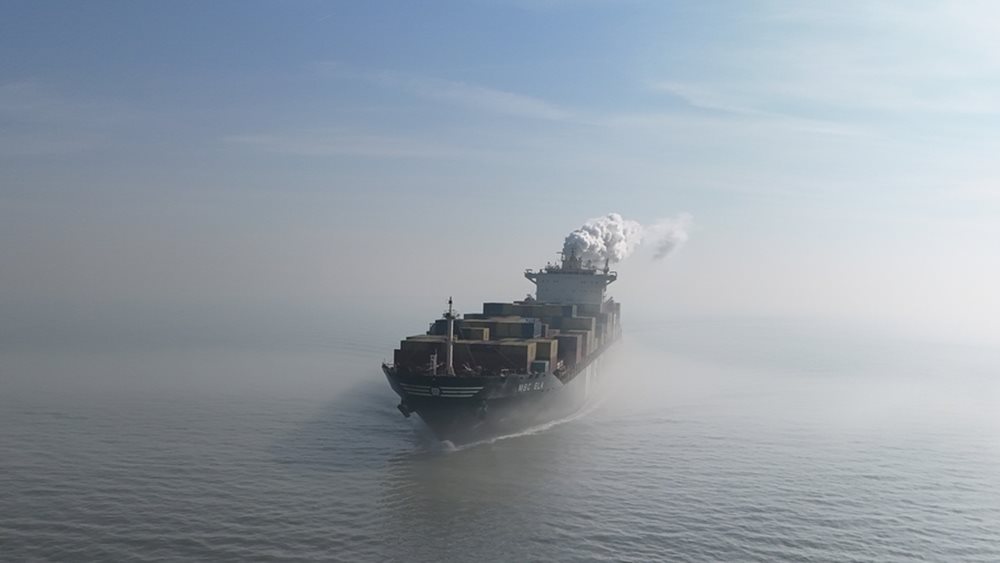
Η απαίτηση του Ντόναλντ Τραμπ προς χώρες όπως το Ηνωμένο Βασίλειο, η Γαλλία, η Ιαπωνία και η Κίνα να συμμετάσχουν σε ναυτικές συνοδείες δεξαμενόπλοιων στον Περσικό Κόλπο ανέδειξε τις ελλείψεις στον διεθνή συντονισμό.
Σύμφωνα με την ανάλυση του Guardian, παρά τη συμμετοχή των ΗΠΑ -μαζί με το Ισραήλ– στις επιθέσεις κατά του Ιράν, δεν υπήρξε επαρκής προετοιμασία για την προστασία της εμπορικής ναυτιλίας, η οποία αποτελεί κρίσιμο πυλώνα της παγκόσμιας οικονομίας.
Το Ιράν, με περιορισμένες συμβατικές στρατιωτικές επιλογές, επέλεξε να απαντήσει με ασύμμετρα μέσα.
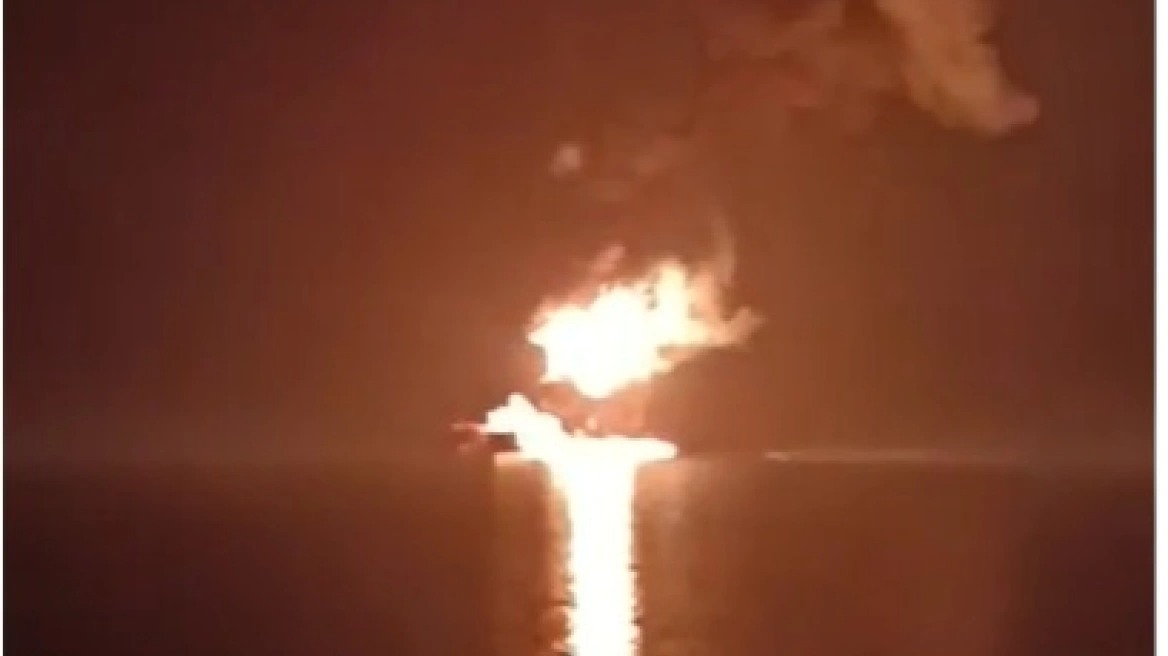
Επιθέσεις σε εμπορικά πλοία, απειλές κατά ναυτιλιακών διαδρομών και η χρήση θαλάσσιων drones συνθέτουν ένα νέο επιχειρησιακό περιβάλλον. Όπως καταγράφεται στην ανάλυση, τέτοιου είδους τακτικές αποδεικνύονται ιδιαίτερα αποτελεσματικές απέναντι σε έναν αντίπαλο που βασίζεται κυρίως σε παραδοσιακή στρατιωτική ισχύ.
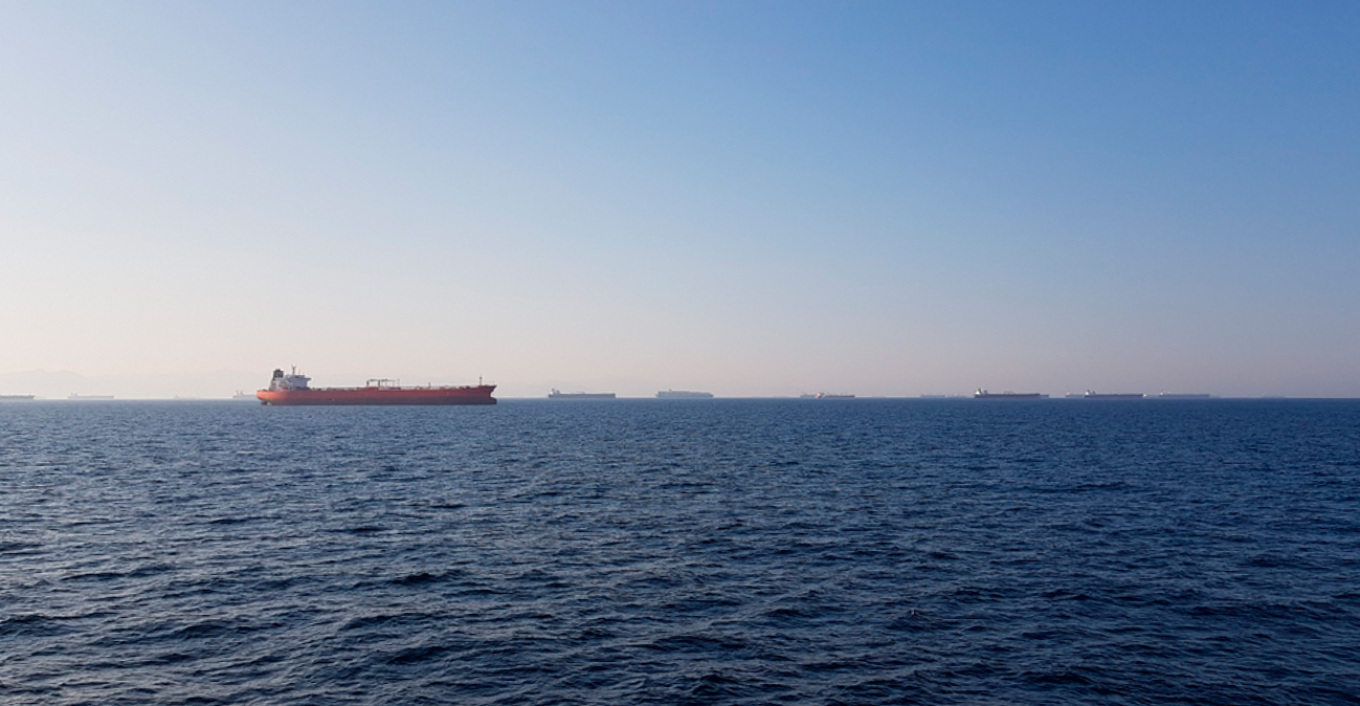
Μέσα σε διάστημα δύο εβδομάδων, τουλάχιστον 16 πλοία έχουν δεχθεί επιθέσεις, γεγονός που έχει οδηγήσει πολλές ναυτιλιακές εταιρείες στο να αποφεύγουν τη διέλευση από τα Στενά του Ορμούζ.
Κλείσιμο
Η εικόνα αυτή επιβαρύνει περαιτέρω την ενεργειακή ασφάλεια και εντείνει την αβεβαιότητα στις διεθνείς αγορές.
Επιχειρησιακά όρια και πολιτικές τριβές
Παράλληλα, οι Ηνωμένες Πολιτείες επικεντρώνονται κυρίως σε πλήγματα κατά του ιρανικού ναυτικού και θέσεων πυραύλων, χωρίς ωστόσο να εξαλείφουν την απειλή χαμηλής έντασης.
Η παρουσία αμερικανικών ναυτικών δυνάμεων στην περιοχή δεν έχει αποδειχθεί επαρκής για την πλήρη προστασία των εμπορικών πλοίων, ενώ η προοπτική συνοδείας δεξαμενόπλοιων παραμένει επιχειρησιακά απαιτητική.
Την ίδια ώρα, η ανταπόκριση των συμμάχων υπήρξε περιορισμένη.
Η Ιαπωνία δήλωσε ότι δεν έχει λάβει επίσημο αίτημα, επικαλούμενη και νομικές δυσκολίες, ενώ η Κίνα δεν έχει τοποθετηθεί δημόσια. Στην Ευρώπη, η Γαλλία διατηρεί ναυτική παρουσία στην ανατολική Μεσόγειο, αλλά εμφανίζεται επιφυλακτική ως προς τη μεταφορά δυνάμεων στο Ορμούζ εν μέσω έντονων συγκρούσεων. Το Ηνωμένο Βασίλειο, από την πλευρά του, επιτάχυνε την ανάπτυξη αντιτορπιλικού, χωρίς όμως να διαθέτει άμεσα επαρκείς δυνάμεις στην περιοχή.
Την ίδια ώρα, οι υπουργοί Εξωτερικών της EE εξέφρασαν χθες «σαφή επιθυμία» να ενισχυθεί η ευρωπαϊκή ναυτική αποστολή EUNAVFOR ASPIDES στην Ερυθρά Θάλασσα, χωρίς ωστόσο να υπάρχει προς το παρόν διάθεση για επέκταση της εντολής της στα Στενά του Ορμούζ,
Η περιορισμένη αυτή κινητοποίηση ενισχύει την εικόνα διεθνούς απροθυμίας να εμπλακεί σε μια σύγκρουση που δεν θεωρείται κοινή προτεραιότητα. Την ίδια στιγμή, οι δηλώσεις Τραμπ ότι οι σύμμαχοι του ΝΑΤΟ «οφείλουν» να συνδράμουν, συνοδευόμενες από προειδοποιήσεις για το μέλλον της Συμμαχίας, δημιουργούν επιπλέον πολιτικές τριβές.
Όπως τονίζεται στην ανάλυση του Guardian, η στάση αυτή έρχεται σε αντίθεση με τον θεσμικό ρόλο του ΝΑΤΟ, ο οποίος περιορίζεται γεωγραφικά στην Ευρώπη και τη Βόρεια Αμερική.
Σε επιχειρησιακό επίπεδο, η υλοποίηση ασφαλών συνοδειών προϋποθέτει σημαντικούς πόρους. Εκτιμήσεις αναφέρουν ότι απαιτούνται έως και δέκα πολεμικά πλοία για την προστασία περιορισμένου αριθμού δεξαμενόπλοιων, κάτι που καλύπτει μόλις ένα μικρό ποσοστό της προπολεμικής ναυτιλιακής κίνησης.
Το συνολικό συμπέρασμα που προκύπτει είναι ότι η κρίση στον Περσικό Κόλπο αναδεικνύει ένα βαθύτερο πρόβλημα στρατηγικού σχεδιασμού. Όπως υπογραμμίζει επανειλημμένα η ανάλυση του Guardian, η απουσία σαφούς και ολοκληρωμένης προσέγγισης από τις Ηνωμένες Πολιτείες όχι μόνο δυσχεραίνει τη διαχείριση της κρίσης, αλλά και περιορίζει τη δυνατότητα συγκρότησης μιας αποτελεσματικής διεθνούς απάντησης.
Allies' 'No' to Trump on Strait of Hormuz Exposes Gaps in US Strategy Towards Iran
The escalating tensions in the Strait of Hormuz and attacks on commercial vessels highlight the limitations of the US strategy towards Iran. Donald Trump's call for allies to participate in naval escorts, coupled with the hesitant international response, reflects a scenario of miscommunication and inadequate preparation for the 'day after'. According to an analysis by The Guardian, recent developments reveal the absence of a cohesive US plan to manage the crisis, with Washington appearing surprised by the consequences of its own choices. Iran, facing limited conventional military options, has chosen to respond with asymmetric tactics, such as attacks on commercial vessels and threats to shipping lanes. These tactics are proving effective against an opponent relying on traditional military power. At least 16 ships have been attacked in the past two weeks, leading many shipping companies to avoid the Strait of Hormuz, exacerbating energy security and increasing uncertainty in international markets. The United States is focusing on strikes against the Iranian navy and missile positions, but has not eliminated the threat of low-intensity conflict. The presence of US naval forces is not sufficient to fully protect commercial ships, while the prospect of escorting tankers remains operationally demanding. The response from allies has been limited, with countries like Japan citing legal difficulties and Europe appearing hesitant. France maintains a naval presence in the eastern Mediterranean but is reluctant to transfer forces to the Hormuz, while the United Kingdom is accelerating the deployment of a destroyer, but does not have sufficient forces in the region immediately. This situation highlights the gaps in international coordination and the need for a more cohesive strategy to address the crisis.