Tο 2025 μπορεί να θεωρηθεί ως έτος καμπής για τον ενεργειακό χάρτη της Ευρώπης ευρύτερα και ειδικότερα της Ανατολικής Μεσογείου. Αν τα έτη 2022–2024 αποκάλυψαν τις αδυναμίες της Ευρώπης απέναντι σε εξωτερικούς προμηθευτές, το 2025 σηματοδότησε τη μετάβαση από το σοκ στην ανάγκη για ρεαλιστική διαχείριση των προκλήσεων. Σε αυτό το πλαίσιο είδαμε να λαμβάνονται θεσμικές αποφάσεις, να προχωρούν επενδύσεις υποδομών και δρομολογούνται εναλλακτικές επιλογές εφοδιασμού. Στον πυρήνα αυτής της εξίσωσης βρέθηκε η Ανατολική Μεσόγειος, όχι πλέον ως αφηρημένη «εναλλακτική», αλλά ως βασικός παίκτης-προμηθευτής, μέσα στον οποίο και η Κύπρος μαζί με τους ενεργειακούς της εταίρους μπορούν να διαδραματίσουν σημαντικό ρόλο.
Ευρώπη: Μετάβαση, LNG και πολιτικές κόκκινες γραμμές
Για την Ευρωπαϊκή Ένωση, το 2025 συνδύασε πρόοδο αλλά και αντιφάσεις. Η ηλιακή ενέργεια ξεπέρασε για πρώτη φορά τον άνθρακα στην ηλεκτροπαραγωγή, ενώ η κατανάλωση φυσικού αερίου μειώθηκε για πέμπτη συνεχόμενη χρονιά. Παράλληλα, όμως, ένας ψυχρός χειμώνας και η ανάγκη αναπλήρωσης αποθεμάτων εκτόξευσαν τη ζήτηση για υγροποιημένο φυσικό αέριο (LNG), με αύξηση περίπου 29% και εισαγωγές-ρεκόρ από τις ΗΠΑ και το Κατάρ.
Η έκθεση State of the Energy Union 2025 κατέγραψε μια παράδοξη τάση: η μετάβαση προχωρεί, αλλά όχι με ενιαίο ρυθμό. Τα κράτη-μέλη εξοικονόμησαν σωρευτικά δεκάδες δισεκατομμύρια ευρώ από εισαγωγές ορυκτών καυσίμων χάρη σε ΑΠΕ, την ώρα που εξακολουθούσαν να δαπανούν σημαντικά ποσά για ρωσική ενέργεια, χρηματοδοτώντας έμμεσα τον αμυντικό προϋπολογισμό της Μόσχας. Το 2025 ολοκληρώνεται με τη συγκεκριμένη «εντολή» με ευλογίες των ΗΠΑ: Πλήρης απεξάρτηση από το ρωσικό φυσικό αέριο έως το τέλος του 2027, με ενδιάμεσους μηχανισμούς που περιορίζουν πρώτα το LNG και στη συνέχεια τους αγωγούς και το πετρέλαιο.
Ανατολική Μεσόγειος και ομπρέλα IMEC
Το 2025 η Ανατολική Μεσόγειος έπαψε να αντιμετωπίζεται μονοδιάστατα ως ένας ενιαίος «μεγάλος διάδρομος». Η πραγματικότητα αποδείχθηκε πιο σύνθετη: αξιοποίηση φυσικού αερίου μέσω Αιγύπτου, ηλεκτρικές διασυνδέσεις μέσω Ελλάδας-Κύπρου-Ισραήλ, και μια γενικευμένη μετατόπιση προς έργα μικρότερης κλίμακας αλλά μεγαλύτερης υλοποιησιμότητας.
Την ίδια ώρα το IMEC (India–Middle East–Europe Economic Corridor), που ανακοινώθηκε στο G20 του Νέου Δελχί το 2023, λειτουργεί ως «ομπρέλα» για να ενταχθούν ενεργειακές και ψηφιακές υποδομές της Ανατολικής Μεσογείου σε έναν ευρύτερο γεωοικονομικό διάδρομο. Στον σχεδιασμό του προβλέπονται δίκτυα μεταφοράς ηλεκτρικής ενέργειας, υποθαλάσσια καλώδια δεδομένων και -σε πιο μεσοπρόθεσμο ορίζοντα- υποδομές για υδρογόνο, συνδέοντας την Ινδία με την Ευρώπη μέσω Σαουδικής Αραβίας, Ιορδανίας, Ισραήλ, Κύπρου και Ελλάδας. Η λογική του έργου είναι διπλή: αφενός να προσφέρει εναλλακτικές διαδρομές εμπορίου και ενέργειας απέναντι στην κινεζική Πρωτοβουλία Belt & Road (BRI), αφετέρου να «κλειδώσει» στρατηγικές συνεργασίες στην περιοχή, σε ένα περιβάλλον όπου οι θαλάσσιες διεκδικήσεις και οι διαφωνίες για ΑΟΖ/EEZ -ιδίως με την Τουρκία- συνεχίζουν να επηρεάζουν τον σχεδιασμό και τη χρηματοδότηση υποθαλάσσιων έργων.
Κύπρος: Από τη θεωρία στις συμβάσεις
Η Κύπρος κατέγραψε το 2025 ουσιαστική πρόοδο από τη γεωλογία προς την εμπορική αξιοποίηση, με την ExxonMobil να ανακοινώνει αποθέματα 8–9 tcf στα τεμάχια Pegasus και Glaucus, επιβεβαιώνοντας νέα ελπιδοφόρα ευρήματα στο Pegasus-1. Παράλληλα, το Υπουργείο Ενέργειας προώθησε τις διαδικασίες αξιοποίησης των κοιτασμάτων Αφροδίτη-Κρόνος με σαφή προσανατολισμό σύνδεσης μέσω αγωγών προς την Αίγυπτο, ενώ δύο νέες γεωτρήσεις στις αρχές του 2026 ενισχύουν την προοπτική εμπορευματοποίησης. Η στρατηγική «οδός προς την αγορά μέσω Αιγύπτου» παγιώθηκε τον Φεβρουάριο με συμφωνίες υγροποίησης και επανεξαγωγής LNG προς την Ευρωπαϊκή Ένωση, σε ένα περιβάλλον όπου το Κάιρο αξιοποιεί τις υφιστάμενες υποδομές του ως περιφερειακού κόμβου. Παράλληλα, η επικύρωση της οριοθέτησης ΑΟΖ Κύπρου–Λιβάνου τον Νοέμβριο άνοιξε νέα παράθυρα συνεργασιών, προκαλώντας ταυτόχρονα αντιδράσεις από την Τουρκία.
Η ανάδειξη Ελλάδας ως ενεργειακού κόμβου
Η Ελλάδα επένδυσε το 2025 στη διπλή της ταυτότητα: πύλη LNG και κόμβος ηλεκτρικών διασυνδέσεων. Ουσιαστικά η Αθήνα ενίσχυσε σημαντικά τον ενεργειακό και γεωπολιτικό της ρόλο στην Ανατολική Μεσόγειο μέσω δύο κομβικών εξελίξεων: του Κάθετου Ενεργειακού Διαδρόμου, που μετατρέπει τη χώρα σε πύλη εισαγωγής και διαμετακόμισης αμερικανικού LNG προς τα Βαλκάνια, τη Μολδαβία και την Ουκρανία, υποστηρίζοντας την ευρωπαϊκή απεξάρτηση από το ρωσικό αέριο, και της συμμετοχής του αμερικανικού κολοσσού Chevron, σε κοινοπραξία με τη HELLENiQ Energy, στις έρευνες υδρογονανθράκων νοτίως της Κρήτης και της Πελοποννήσου.
Παράλληλα, η στρατηγική ευθυγράμμιση με Κύπρο, Ισραήλ και Αίγυπτο ενίσχυσε τον ρόλο της Αθήνας ως γέφυρας προς την ευρωπαϊκή αγορά. To Great Sea Interconnector βρέθηκε στο επίκεντρο συζητήσεων και βρισκόμαστε πλέον στη φάση της επικαιροποίησης των τεχνικών παραμέτρων υλοποίησης.
Σημαντική εξέλιξη υπήρξε η είσοδος της ExxonMobil στο Block 2 στο Βορειοδυτικό Ιόνιο με ποσοστό 60%, η συμμετοχή της Energean στο 30% ως Operator της ερευνητικής γεώτρησης και το 10% της HelleniQ Energy, σηματοδοτούν την πιο ώριμη παραχώρηση για ερευνητική γεώτρηση, η οποία εκτιμάται ότι μπορεί να πραγματοποιηθεί ακόμη και εντός του 2026, ενδεχομένως με γεωτρητική δραστηριότητα μέσα στο 2026. Παράλληλα, η Energean προχωρά σε δύο γεωτρήσεις στο Ισραήλ για την ανάπτυξη του κοιτάσματος Katlan, με στόχο την έναρξη παραγωγής στο πρώτο εξάμηνο του 2027, ενώ το κοίτασμα δεν υπόκειται σε περιορισμούς εξαγωγών από την ισραηλινή νομοθεσία, καθιστώντας το στρατηγικό κλειδί για την προώθηση της πρότασης της εταιρείας για μεταφορά ισραηλινού φυσικού αερίου μέσω αγωγού προς την Κύπρο – ένα σενάριο που, σύμφωνα με πληροφορίες, βρέθηκε στο τραπέζι της πρόσφατης τριμερούς στο Τελ Αβίβ μεταξύ των ηγετών Κύπρου, Ελλάδας και Ισραήλ, Νίκου Χριστοδουλίδη, Κυριάκου Μητσοτάκη και Μπενιαμίν Νετανιάχου, όπου φέρεται να συζητήθηκαν οι προοπτικές ενεργειακών εξαγωγών Ισραήλ–Κύπρου και η κυπριακή ενεργειακή διασύνδεση.
Ισραήλ – Η μεγαλύτερη ενεργειακή συμφωνία
Στον απόηχο του πολέμου με Χαμάς, Χεζμπολάχ και Ιράν, το 2025 για το Ισραήλ σφραγίστηκε από τη μεγαλύτερη συμφωνία εξαγωγής φυσικού αερίου στην ιστορία του, με επίκεντρο τη μεταφορά ποσοτήτων του κοιτάσματος Λεβιάθαν προς την Αίγυπτο.
Η συμφωνία συνοδεύτηκε από επενδύσεις σε υποδομές και αύξηση δυναμικότητας, αλλά και από αυξημένη ευαισθησία ασφάλειας, καθώς επιθέσεις και απειλές στην περιοχή υπενθύμισαν την ευπάθεια των υπεράκτιων εγκαταστάσεων.
Αίγυπτος: Κόμβος σε καθεστώς ταλάντωσης
Η Αίγυπτος λειτούργησε το 2025 άλλοτε ως εξαγωγέας και άλλοτε ως εισαγωγέας LNG, προσπαθώντας να ισορροπήσει εγχώρια ζήτηση, ηλεκτροπαραγωγή και δημοσιονομικές πιέσεις. Παράλληλα, προώθησε τον ρόλο της ως περιφερειακού κόμβου, όχι μόνο για φυσικό αέριο αλλά και για καθαρή ενέργεια, μέσω μελλοντικών ηλεκτρικών διασυνδέσεων προς την Ευρώπη. Η διττή αυτή ταυτότητα ενίσχυσε την επιρροή της, αλλά περιόρισε και την προβλεψιμότητα των εξαγωγών της.
Η Τουρκία σε ρόλο πειρατή
Η Τουρκία παρέμεινε ο κεντρικός γεωπολιτικός ταραχοποιός παράγοντας που δυσκολεύει την εμπορική αξιοποίηση των κοιτασμάτων στην Ανατολική Μεσόγειο. Η Κυβέρνηση Ερντογάν συνεχίζει να προβάλλει μεγάλες ενεργειακές φιλοδοξίες, την ώρα που συνεχίζει να αμφισβητεί θαλάσσιες ζώνες και να παρεμβαίνει σε ερευνητικές και διασυνδετικές δραστηριότητες. Η μη συμμετοχή της σε πρωτοβουλίες όπως το IMEC, το EMGF την οδήγησαν στην υιοθέτηση της αποτυχημένης στρατηγικής διαρκών εντάσεων με στόχο την αύξηση του πολιτικού ρίσκου για επενδυτές, ιδίως σε καλώδια και υποθαλάσσιες υποδομές.
Προκλήσεις και ισορροπίες του 2026
Το 2026 προδιαγράφεται ως έτος δοκιμασίας. Η ευρωπαϊκή ζήτηση LNG αναμένεται να αυξηθεί περαιτέρω, εντείνοντας τον ανταγωνισμό με την Ασία. Στην Ανατολική Μεσόγειο, οι θαλάσσιες διαφορές παραμένουν δυνητικός πυροκροτητής εντάσεων, ενώ η κλιματική μετάβαση συμπιέζει το χρονικό παράθυρο νέων επενδύσεων αερίου.
Το 2025 κατέστησε σαφές ότι η ενέργεια δεν είναι απλώς οικονομικό αγαθό, αλλά καθοριστικός παράγοντας γεωπολιτικής ισχύος και συμμαχιών. Για την Ευρώπη, η Ανατολική Μεσόγειος προσφέρει ευελιξία χωρίς να σημαίνει πως αποτελεί την τελική λύση στο ενεργειακό της έλλειμμα. Για τα κράτη της περιοχής, η πρόκληση είναι διπλή: αξιοποίηση πόρων σε ένα στενό παράθυρο χρόνου και ταυτόχρονη ευθυγράμμιση με την πορεία μείωσης του αποτυπώματος εκπομπών άνθρακα. Το 2026 θα δείξει ποιοι θα καταφέρουν να μετατρέψουν τη συγκυρία σε ανθεκτική στρατηγική.
Τα στοιχήματα για Κύπρο-Ελλάδα
Ειδικότερα το 2026, η Κύπρος έχει ν’ αντιμετωπίσει προκλήσεις λόγω της ενεργειακής απομόνωσης και της υψηλής εξάρτησης από εισαγόμενα ορυκτά καύσιμα, με την ολοκλήρωση του τερματικού σταθμού LNG στο Βασιλικό (υπάρχει ήδη ενδιαφέρον από Ινδία και ΗΑΕ) να αναμένεται εντός του έτους για μετάβαση σε φυσικό αέριο και μείωση των τιμών ηλεκτρικής ενέργειας. Η αυξημένη διείσδυση ΑΠΕ (ήδη πάνω από 20%) θα δημιουργήσει προβλήματα σταθερότητας δικτύου, παρά την έναρξη λειτουργίας συστημάτων αποθήκευσης ενέργειας (120-400 MW) το καλοκαίρι του 2026. Η καθυστέρηση της ηλεκτρικής διασύνδεσης του GSI με Ελλάδα-Ισραήλ θα παρατείνει την απομόνωση, ενώ η έναρξη παραγωγής από κοιτάσματα όπως ο Κρόνος (πιθανώς 2026-2027) και η Αφροδίτη προσφέρει προοπτικές μακροπρόθεσμης αυτονομίας.
Η μεγαλύτερη πρόκληση που ενδέχεται να αντιμετωπίσει η Κύπρος και η Ελλάδα είναι η κλιμάκωση των τουρκικών απειλών, όπως αποστολή ερευνητικών ή γεωτρητικών πλοίων σε οικόπεδα της Κυπριακής ΑΟΖ, ναυτική παρενόχληση υποδομών όπως ο GSI, επικαλούμενη τα «δικαιώματα» των Τουρκοκυπρίων ή ακόμη και τη «Γαλάζια Πατρίδα».
Eastern Mediterranean: Energy Review 2025 and Challenges of 2026
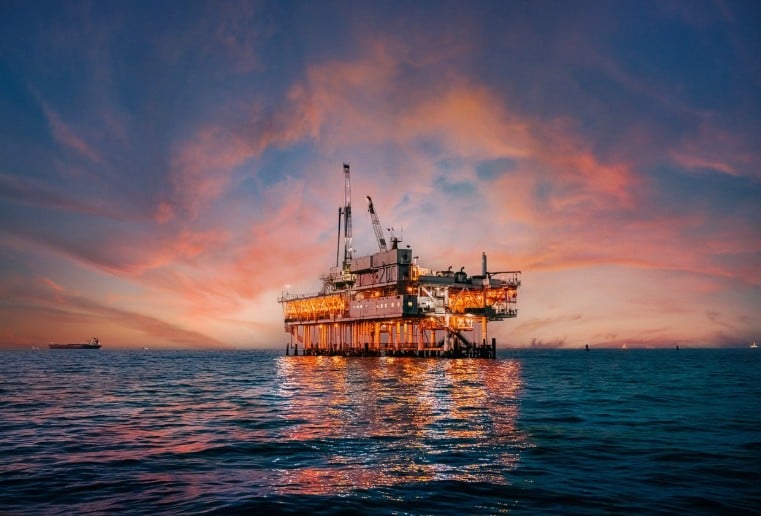
2025 marks a pivotal year for energy policy in Europe and the Eastern Mediterranean, shifting the focus from addressing the shock of the energy crisis to a more realistic management of challenges. The European Union is experiencing a paradoxical development, with the increase of Renewable Energy Sources (RES) reducing dependence on fossil fuels, but simultaneously continuing to spend significant amounts on Russian energy. The US is pushing for complete independence from Russian natural gas by 2027. The Eastern Mediterranean is emerging as a key energy player, with an emphasis on smaller-scale and more feasible projects, such as the utilization of natural gas through Egypt and electricity interconnections via Greece-Cyprus-Israel. Cyprus, along with its energy partners, can play a significant role in this context. The India–Middle East–Europe Economic Corridor (IMEC) acts as a broader "umbrella" for integrating the energy and digital infrastructure of the Eastern Mediterranean into a geoeconomic corridor connecting India with Europe. IMEC includes electricity transmission networks, submarine data cables, and, in the medium term, hydrogen infrastructure. The goal of IMEC is to offer alternative trade and energy routes to China's Belt and Road Initiative (BRI) and to strengthen strategic partnerships in the region, taking into account maritime claims and disputes over EEZ/AOZ, especially with Turkey.
You Might Also Like
Ανάλυση: Πρόσφατες ενεργειακές εξελίξεις και η σημασία τους
Dec 15
Από τη δύση του 2025 στις προκλήσεις του 2026
Dec 28
Η Τεχνητή Νοημοσύνη το 2026: Τα διλλήματα, οι επενδύσεις και το τι θα γίνει αν σκάσει η… «φούσκα»
Dec 28
Θα χωρέσει η Κύπρος στον διάδρομο IMEC;
Dec 28
Έρευνα: Ανάπτυξη με αντοχές σε μια περίοδο έντονης αβεβαιότητας κατά το 2025
Dec 29