Τις τελευταίες εξελίξεις του αμερκανοϊσραηλινού πολέμου στο Ιράν σχολίασε ο αναπληρωτής καθηγητή στο King’s College του Λονδίνου, Αντρέας Κριγκ, υπογραμμίζοντας ότι η Τεχεράνη στηρίζεται σε μεγάλο βαθμό στη γεωγραφική της θέση.
Μιλώντας στο Al Jazeera, δήλωσε ότι κατά τη διάρκεια αυτού που χαρακτήρισε ως «ασύμμετρη σύγκρουση», το Σώμα των Φρουρών της Ισλαμικής Επανάστασης του Ιράν (IRGC) «λειτουργεί περισσότερο ως δίκτυο παρά ως συμβατικό κράτος».
«Το Ιράν χρησιμοποιεί τακτικές αντοχής, προσπαθώντας να αποσπάσει παραχωρήσεις και να ασκήσει πίεση όπου μπορεί. Το ισχυρότερο εργαλείο του είναι ο έλεγχος της βόρειας ακτής ενός εκ των βασικών ενεργειακών σημείων “στραγγαλισμού” στον κόσμο», είπε.
«Αυτό του δίνει επιρροή στην παγκόσμια οικονομία και στις ΗΠΑ και του επιτρέπει να διατηρεί την πίεση για μεγάλο χρονικό διάστημα, καθιστώντας πολύ δύσκολη την εξεύρεση ταχείας στρατιωτικής λύσης», πρόσθεσε.
Ακόμα ανέφερε ότι η αποστολή Αμερικανών πεζοναυτών στα νησιά των Στενών του Ορμούζ είναι απίθανο να συμβάλει ουσιαστικά στην εξασφάλιση αυτού του στρατηγικής σημασίας διαδρόμου.
Εξήγησε ότι τα κύρια σημεία εξαγωγής πετρελαίου του Ιράν, συμπεριλαμβανομένου του νησιού Χαργκ, έχουν ήδη αποτελέσει στόχο επιθέσεων, αλλά οι πετρελαϊκές εγκαταστάσεις παραμένουν άθικτες, ενώ οποιαδήποτε απόβαση στην περιοχή ενέχει τον κίνδυνο σημαντικής κλιμάκωσης και θα προκαλέσει αντίποινα από το Ιράν σε ολόκληρο τον Κόλπο.
Ο Κριγκ ανέφερε ότι οι περισσότερες επιθέσεις με πυραύλους και drones πραγματοποιούνται από την ενδοχώρα, πράγμα που σημαίνει ότι ο έλεγχος μικρών νησιών, ακόμη και εκείνων που καταλήφθηκαν από το Ιράν το 1979, δεν θα εξουδετερώσει την απειλή.
«Η κατάληψη της βόρειας ακτής θα ήταν εξαιρετικά δύσκολη λόγω του δύσβατου εδάφους», είπε, παραθέτοντας παραδείγματα από τις τακτικές που χρησιμοποίησαν οι Χούθι στο Στενό Μπαμπ ελ-Μαντέμπ.
Υπενθύμισε επίσης τις προκλήσεις που αντιμετώπισαν οι ΗΠΑ στο παρελθόν, συμπεριλαμβανομένης της ανάγκης να συνεργαστούν με το Ομάν για να μεσολαβήσουν σε μια κατάπαυση του πυρός. «Δεν νομίζω ότι η αποστολή 2.500 πεζοναυτών θα κάνει καμία διαφορά στο να ανοίξουν τα Στενά», είπε.
«Υπάρχει ένα ζήτημα με την αξιοπιστία των ΗΠΑ»
Από την πλευρά του ο Ρος Χάρισον, ανώτερος ερευνητής στο Ινστιτούτο Μέσης Ανατολής της Ουάσιγκτον, μιλώντας στο Al Jazeera ανέφερε ότι η προσέγγιση των ΗΠΑ στον πόλεμο κατά του Ιράν φαίνεται να καθοδηγείται κυρίως από στρατιωτικούς υπολογισμούς και όχι από μια σαφή πολιτική στρατηγική.
«Μετρούν την επιτυχία χρησιμοποιώντας στρατιωτικά μέσα και στρατιωτικούς δείκτες», δήλωσε ο Χάρισον, προσθέτοντας ότι ο μακροπρόθεσμος στόχος της Ουάσιγκτον παραμένει ασαφής.
«Δεν ξέρω πού θα καταλήξει το πολιτικό αποτέλεσμα, αν πιστεύουν ότι μπορούν με κάποιο τρόπο να κλιμακώσουν την κατάσταση ή αν μπορούν να αποδεκατίσουν περαιτέρω τον ιρανικό στρατό και στη συνέχεια να κηρύξουν νίκη και να αποχωρήσουν», υπογράμμισε.
Ο Χάρισον είπε επίσης ότι η αρχική πολιτική αιτιολόγηση για τον πόλεμο φαίνεται να έχει ξεθωριάσει. «Θυμηθείτε, αυτό ξεκίνησε με το πολιτικό παιχνίδι της αλλαγής καθεστώτος και ενός καλύτερου μέλλοντος για τον ιρανικό λαό. Και αυτό φαίνεται να έχει παραγκωνιστεί αυτή τη στιγμή», υπογράμμισε.
Προειδοποίησε επίσης ότι η έλλειψη σαφήνειας σχετικά με την προτεινόμενη πολυεθνική ναυτική συμμαχία για την επαναλειτουργία των Στενών του Ορμούζ θα μπορούσε να βλάψει την αξιοπιστία των ΗΠΑ.
«Νομίζω ότι υπάρχει ένα ζήτημα όσον αφορά την αξιοπιστία των ΗΠΑ, δεδομένου ότι ξεκίνησαν έναν πόλεμο χωρίς σαφή τελικό στόχο», είπε.
Η προσπάθεια του προέδρου των ΗΠΑ, Ντόναλντ Τραμπ να εξασφαλίσει τη στήριξη ευρωπαϊκών, νατοϊκών και ασιατικών χωρών για την υπεράσπιση των Στενών του Ορμούζ αντιμετωπίζει σημαντικά εμπόδια, η Κίνα δεν δείχνει ενδιαφέρον, ενώ οι ευρωπαϊκές χώρες αμφιβάλλουν για την αξιοπιστία των ΗΠΑ λόγω του αδικαιολόγητου πολέμου, ενώ και ο γρήγορος ρυθμός των εξελίξεων καθιστά δύσκολη μια συντονισμένη ναυτική αντίδραση, υποστήριξε ακόμα.
Ακόμη και αν οι ευρωπαϊκές χώρες είναι πρόθυμες να συνεισφέρουν, η συγκρότηση ενός πολυεθνικού ναυτικού στόλου απαιτεί εβδομάδες, ενώ η κατάσταση στα Στενά εξελίσσεται ραγδαία.
«Βραχυπρόθεσμα, αυτό δείχνει ότι οι ΗΠΑ, αν και δεν είναι απελπισμένες, αγωνίζονται να τοποθετηθούν απέναντι στη στρατηγική του Ιράν, το οποίο αξιοποιεί την επιρροή του μέσω περιφερειακών οργανώσεων», δήλωσε ο Χάρισον.
Αναφερόμενος στις δηλώσεις του Τραμπ που υπονόησαν ότι το Ισραήλ δεν θα χρησιμοποιήσει πυρηνικά όπλα στον πόλεμο εναντίον του Ιράν, ο Χάρισον έκανε λόγο για ασυνήθιστες και ενδεχομένως αποκαλυπτικές δηλώσεις.
«Οι ηγέτες μιλούν πράγματι για το πλήρες φάσμα των επιλογών που έχουν στη διάθεσή τους για να αντιμετωπίσουν μια συγκεκριμένη σύγκρουση», είπε χαρακτηριστικά, ωστόσο, τόνισε ότι το να τεθεί το ζήτημα δημόσια ήταν εντυπωσιακό, δεδομένης της μακροχρόνιας άρνησης του Ισραήλ να αναγνωρίσει ανοιχτά το πυρηνικό του οπλοστάσιο.
«Τέθηκε δημόσια και οι Ισραηλινοί δεν έχουν ποτέ ισχυριστεί δημόσια ότι διαθέτουν πυρηνικά όπλα. Επομένως, το γεγονός ότι ο Τραμπ το ανέφερε είναι πολύ ασυνήθιστο και δημιουργεί περισσότερες ερωτήσεις από ό,τι απαντήσεις σε αυτό το στάδιο», σημείωσε και προσέθεσε ότι τα σχόλια δημιουργούν ανησυχίες σχετικά με το πώς θα μπορούσε να κλιμακωθεί η σύγκρουση αν ο πόλεμος συνεχίσει να εντείνεται.
Strait of Hormuz: How Iran benefits from its geographical position – An invasion does not guarantee control, analysts say
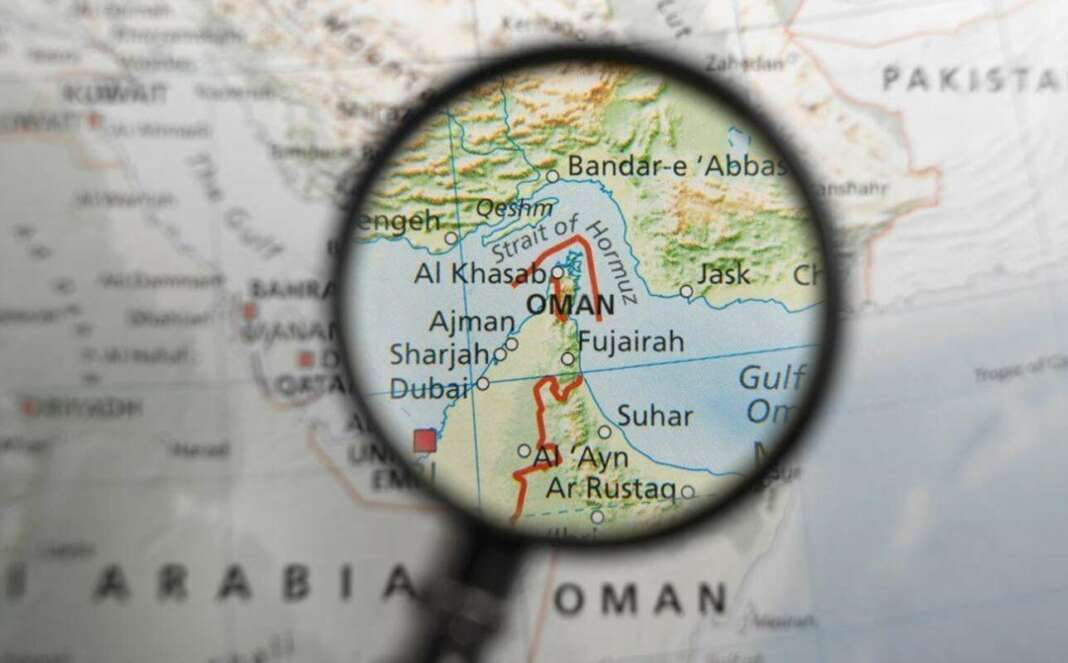
Andreas Krieg, Deputy Professor at King’s College London, commented on the latest developments in the American-Israeli war in Iran, emphasizing the strategic importance of Iran's geographical position. According to Krieg, Iran operates more as a network than a conventional state, using endurance tactics to extract concessions and exert pressure. Iran's main advantage is control of the northern coast of the Strait of Hormuz, a critical point for the global economy and energy trade. This allows it to maintain pressure for a long time, making a quick military solution difficult. Krieg questions the effectiveness of the deployment of US Marines to the Strait of Hormuz, as Iran's main oil export points have already been targeted but remain intact. An invasion of the area could lead to significant escalation and retaliation from Iran. In addition, missile and drone attacks originate from inland, making control of the islands insufficient to neutralize the threat. Meanwhile, Ross Harrison from the Middle East Institute in Washington, emphasizes that the US approach appears to be driven more by military calculations than by a clear political strategy. Washington's long-term goal remains unclear, and the initial political justification for the war has faded. In summary, Iran's geographical position and its ability to exert pressure through control of the Strait of Hormuz, combined with the unclear US strategy, make the situation particularly complex and difficult to resolve.