Η σύλληψη και απομάκρυνση του προέδρου της Βενεζουέλας, Νικολάς Μαδούρο, μετά από ευρείας κλίμακας αμερικανική επιχείρηση στο Καράκας, σηματοδοτεί την έναρξη ενός νέου και ιδιαίτερα αβέβαιου κεφαλαίου για τη χώρα. Πρόκειται για ένα κράτος που διαθέτει τα μεγαλύτερα αποδεδειγμένα αποθέματα πετρελαίου παγκοσμίως.
Το διακύβευμα δεν περιορίζεται στο πολιτικό μέλλον της Βενεζουέλας, αλλά επεκτείνεται και στο ερώτημα αν, πότε και υπό ποιες προϋποθέσεις θα μπορέσει να αξιοποιηθεί ένας ενεργειακός πλούτος κομβικής σημασίας για τις διεθνείς αγορές.
Ένας πετρελαϊκός κολοσσός με καθηλωμένη παραγωγή
Η Βενεζουέλα διαθέτει περίπου 303 δισ. βαρέλια αποδεδειγμένων αποθεμάτων αργού – σχεδόν το 17% των παγκόσμιων αποθεμάτων, σύμφωνα με διεθνείς ενεργειακούς οργανισμούς.
Παρ’ όλα αυτά, η παραγωγή της παραμένει καθηλωμένη γύρω στο 1 – 1,1 εκατ. βαρέλια ημερησίως, δηλαδή λιγότερο από το 1% της παγκόσμιας προσφοράς.
Πρόκειται για εντυπωσιακή πτώση σε σχέση με το παρελθόν: τη δεκαετία του 1970 η χώρα παρήγαγε έως και 3,5 εκατ. βαρέλια την ημέρα, ενώ ακόμη και πριν από την άνοδο του Μαδούρο στην εξουσία, η παραγωγή ξεπερνούσε τα 2 εκατ. βαρέλια. Η κατάρρευση αποδίδεται σε χρόνια κακοδιαχείριση, έλλειψη επενδύσεων, διεθνείς κυρώσεις και τη σταδιακή αποσύνθεση των υποδομών της κρατικής πετρελαϊκής PDVSA.
Βαρύ πετρέλαιο, ειδική αξία
Το μεγαλύτερο μέρος των αποθεμάτων βρίσκεται στη ζώνη του Ορινόκο και αφορά βαρύ και όξινο αργό πετρέλαιο. Η εξόρυξη και επεξεργασία του είναι πιο απαιτητική, όμως το συγκεκριμένο είδος είναι κρίσιμο για προϊόντα όπως το ντίζελ, η άσφαλτος και τα καύσιμα βαριάς βιομηχανίας.
Για τις Ηνωμένες Πολιτείες, το βενεζουελάνικο πετρέλαιο έχει ιδιαίτερη σημασία: πολλά αμερικανικά διυλιστήρια έχουν σχεδιαστεί ώστε να λειτουργούν πιο αποδοτικά με βαριά μείγματα, σε αντίθεση με το ελαφρύ αμερικανικό σχιστολιθικό αργό. Αυτό εξηγεί γιατί η Βενεζουέλα παραμένει στρατηγικός στόχος στον ενεργειακό χάρτη της Ουάσιγκτον.
Το σχέδιο Τραμπ για τον ενεργειακό τομέα
Σε συνέντευξή του στο Fox News, ο πρόεδρος των ΗΠΑ Ντόναλντ Τραμπ έδωσε λεπτομέρειες για την επιχείρηση σύλληψης του Μαδούρο, αποκαλύπτοντας ταυτόχρονα ότι οι Ηνωμένες Πολιτείες σκοπεύουν να εμπλακούν ενεργά και δυναμικά στον πετρελαϊκό τομέα της Βενεζουέλας.
Ο Τραμπ ανέφερε ότι είχε επικοινωνήσει με τον Μαδούρο περίπου μία εβδομάδα πριν από την επιχείρηση, ζητώντας του να παραδοθεί, ενώ περιέγραψε τη δράση των ειδικών δυνάμεων ως «πολύ πιο στοχευμένη και ισχυρή» από τον αρχικό σχεδιασμό. Το μήνυμα, ωστόσο, δεν ήταν μόνο στρατιωτικό: η Ουάσιγκτον διεκδικεί ρόλο-κλειδί στη διαμόρφωση της επόμενης ημέρας για τη βενεζουελάνικη ενέργεια.
Πολιτικό κενό και ρίσκο αποσταθεροποίησης
Η απομάκρυνση του Μαδούρο δεν συνεπάγεται αυτόματα σταθερότητα. Το ενδεχόμενο κενού εξουσίας, εσωτερικών συγκρούσεων ή ακόμη και εμφυλιοπολεμικής δυναμικής παραμένει ανοιχτό.
Οι ΗΠΑ αναγνωρίζουν ως νόμιμο πρόεδρο τον εξόριστο Εντμούντο Γκονσάλες, με τη στήριξη της βραβευμένης με Νόμπελ Ειρήνης Μαρία Κορίνα Ματσάδο, ωστόσο καθοριστικός παράγοντας θα είναι η στάση του στρατού, η συνοχή του κρατικού μηχανισμού και πάνω από όλα η αντίδραση των πολιτών της Βενεζουέλας.
Τι σημαίνει για τις τιμές του πετρελαίου
Παρά τη γεωπολιτική ένταση, οι διεθνείς αγορές πετρελαίου δείχνουν προς το παρόν ανεκτικότητα. Παραμένουν σε περιβάλλον υπερπροσφοράς, με τον OPEC να αυξάνει παραγωγή και τη ζήτηση να είναι συγκρατημένη. Η απώλεια ακόμη και ολόκληρης της παραγωγής της Βενεζουέλας θεωρείται ότι μπορεί να απορροφηθεί από την παγκόσμια εφοδιαστική.
Ωστόσο, η ποιότητα του βενεζουελάνικου βαρέος αργού σημαίνει ότι δεν αντικαθίσταται εύκολα από άλλα είδη αργού χωρίς επιπτώσεις στις τιμές των προϊόντων διύλισης.
Στο πλαίσιο αυτό, ο Giovanni Staunovo, στρατηγικός αναλυτής της UBS, εκτιμά ότι ο άμεσος αντίκτυπος στην αγορά «δεν είναι σαφώς εμφανής ακόμη». Σύμφωνα με τον Staunovo, παρότι είναι πολύ νωρίς για οριστικά συμπεράσματα, οι εξαγωγές και η παραγωγή της Βενεζουέλας ήταν ήδη υπό πιέσεις πριν από το πλήγμα, εξαιτίας του θαλάσσιου αποκλεισμού και των κυρώσεων, και υπάρχει κίνδυνος αυτή η τάση να συνεχιστεί. Η άποψή του είναι ότι, ακόμα κι αν υπάρξει μια μικρή αύξηση του ρίσκου στις τιμές λόγω γεωπολιτικών παραγόντων, η συνολική επίδραση στην αγορά πετρελαίου πιθανότατα θα μείνει περιορισμένη.
Η επόμενη μέρα
Ακόμη και αν υπάρξει πολιτική μετάβαση και άρση κυρώσεων, η ανάκαμψη της παραγωγής δεν θα είναι άμεση. Θα απαιτηθούν χρόνια, τεράστια κεφάλαια και βαθιά θεσμική αναδιάρθρωση. Η εμπειρία χωρών όπως η Λιβύη και το Ιράκ δείχνει ότι η βίαιη αλλαγή καθεστώτος σπάνια οδηγεί σε γρήγορη ενεργειακή σταθερότητα.
Για τη Βενεζουέλα, το πετρέλαιο παραμένει ταυτόχρονα σωσίβιο και κίνδυνος: μπορεί να αποτελέσει τη βάση μιας οικονομικής επανεκκίνησης ή τον καταλύτη νέων συγκρούσεων. Το κρίσιμο ερώτημα δεν είναι αν έχει πετρέλαιο – αλλά αν διαθέτει το πολιτικό και θεσμικό πλαίσιο για να το αξιοποιήσει χωρίς να βυθιστεί στο χάος.
Venezuela's Oil Future After Maduro's Arrest: Trump's Plan and Price Shifts

The arrest and removal of Venezuelan President Nicolás Maduro following a large-scale US operation in Caracas marks the beginning of a new and highly uncertain chapter for the country, which holds the world's largest proven oil reserves. The stakes are not limited to Venezuela's political future, but also extend to the question of whether, when, and under what conditions its significant energy wealth can be exploited for international markets. Venezuela possesses approximately 303 billion barrels of proven crude oil – nearly 17% of global reserves, according to international energy organizations. However, its production remains stagnant at around 1-1.1 million barrels per day, less than 1% of global supply. This represents a dramatic decline from the past: in the 1970s, the country produced up to 3.5 million barrels per day, and even before Maduro came to power, production exceeded 2 million barrels. The collapse is attributed to years of mismanagement, lack of investment, international sanctions, and the gradual disintegration of the infrastructure of the state oil company PDVSA. Most of the reserves are located in the Orinoco Belt and consist of heavy and sour crude oil. Extraction and processing are more demanding, but this type of oil is critical for products such as diesel, asphalt, and heavy industrial fuels. For the United States, Venezuelan oil is particularly important: many US refineries are designed to operate more efficiently with heavy blends, unlike light US shale oil. This explains why Venezuela remains a strategic target on Washington's energy map. In an interview with Fox News, US President Donald Trump detailed the operation to arrest Maduro, while also revealing that the United States intends to become actively and dynamically involved in Venezuela's oil sector. However, the removal of Maduro does not automatically guarantee stability, as the possibility of a power vacuum, internal conflicts, or even civil war remains open. Overall, the situation in Venezuela remains complex and uncertain. Successful transition to a new government and exploitation of oil reserves require careful planning, international cooperation, and commitment to political and economic stability.
Similar Articles
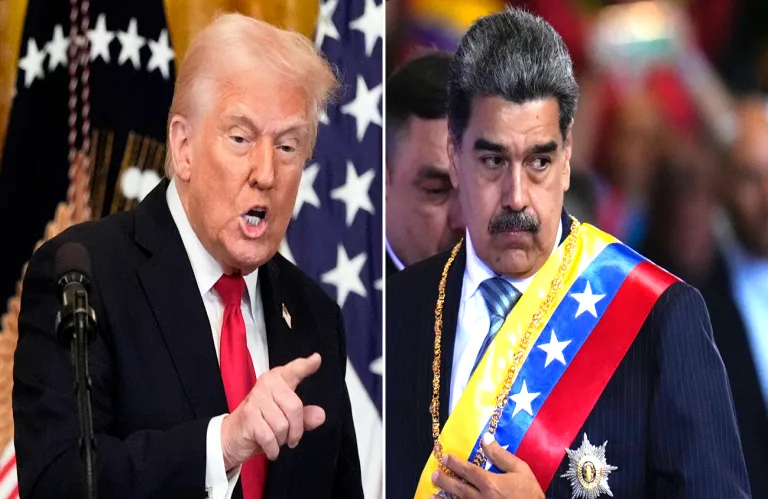
Διεθνείς αντιδράσεις για τη σύλληψη Μαδούρο από τις ΗΠΑ – Ποιοι στάθηκαν στο πλευρό του Τραμπ
Jan 4

Η σύλληψη Μαδούρο και η «νέα» στρατηγική του Τραμπ
Jan 4

Διεθνείς αντιδράσεις για τη σύλληψη Μαδούρο από τις ΗΠΑ: Πώς αντέδρασαν ΕΕ και ΟΗΕ – Πυρά από Ρωσία, Κίνα και Ιράν
Jan 4
You Might Also Like
Η Chevron παίζει επικίνδυνο παιχνίδι στη Βενεζουέλα – Μια ανάσα από το μεγαλύτερο πετρελαϊκό έπαθλο του κόσμου
Dec 21
Το πετρέλαιο στην καρδιά του μπραντεφέρ των προέδρων Τραμπ και Μαδούρο
Dec 22
Βενεζουέλα: Τι σημαίνει το πλήγμα ΗΠΑ για τις παγκόσμιες τιμές πετρελαίου & ΦΑ
Jan 3

Νέο δόγμα για το Δυτικό Ημισφαίριο παρουσίασε ο Τραμπ μετά τη σύλληψη Μαδούρο
Jan 3
Τραμπ: Παρουσίασε νέο δόγμα για το Δυτικό Ημισφαίριο μετά τα γεγονότα με Μαδούρο – Ελέγχει τη Βενεζουέλα, απείλησε Κούβα και Κολομβία, έστειλε μήνυμα στον Πούτιν
Jan 3