Η επέμβαση στη Βενεζουέλα και το επικίνδυνο ρήγμα στην παγκόσμια έννομη τάξη
Η πρόσφατη στρατιωτική επέμβαση των Ηνωμένων Πολιτειών στη Βενεζουέλα, με χρήση ένοπλης βίας στο έδαφος κυρίαρχου κράτους και τη σύλληψη του εν ενεργεία αρχηγού του, δεν αποτελεί απλώς ακόμη ένα επεισόδιο διεθνούς έντασης. Συνιστά γεγονός με σοβαρές νομικές συνέπειες, ικανό να διαβρώσει θεμελιώδεις αρχές του διεθνούς δικαίου και να αποδυναμώσει το σύστημα συλλογικής ασφάλειας που οικοδομήθηκε μετά τον Β΄ Παγκόσμιο Πόλεμο.
Η διεθνής συζήτηση δεν πρέπει να εγκλωβιστεί σε πολιτικές ή ιδεολογικές αξιολογήσεις του καθεστώτος της Βενεζουέλας. Το διεθνές δίκαιο δεν λειτουργεί ως μηχανισμός ηθικής κρίσης κυβερνήσεων, αλλά ως κοινός κανόνας, δεσμευτικός για όλους, ακριβώς για να αποτρέπει την επιστροφή σε ένα σύστημα όπου η ισχύς υποκαθιστά τον νόμο.
Το θεμέλιο της διεθνούς τάξης
Στον πυρήνα της διεθνούς έννομης τάξης βρίσκεται το άρθρο 2 παράγραφος 4 του Χάρτη των Ηνωμένων Εθνών, που απαγορεύει ρητά την απειλή ή τη χρήση βίας κατά της εδαφικής ακεραιότητας ή της πολιτικής ανεξαρτησίας οποιουδήποτε κράτους. Η απαγόρευση αυτή αποτελεί κανόνα αναγκαστικού δικαίου (jus cogens), από τον οποίο δεν επιτρέπεται παρέκκλιση ούτε με επίκληση πολιτικής σκοπιμότητας ούτε με επίκληση «ανώτερων» στόχων.
Οι εξαιρέσεις στη χρήση βίας είναι αυστηρά περιορισμένες: εξουσιοδότηση από το Συμβούλιο Ασφαλείας ή άσκηση αυτοάμυνας μετά από ένοπλη επίθεση, σύμφωνα με το άρθρο 51 του Χάρτη.
Η μονομερής στρατιωτική επέμβαση, ακόμη και όταν παρουσιάζεται ως πράξη «επιβολής της δικαιοσύνης» ή «αποκατάστασης της δημοκρατίας», δεν αναγνωρίζεται από το διεθνές δίκαιο ως νόμιμη εξαίρεση από την απαγόρευση χρήσης βίας.
Κυριαρχία: Η νόμιμη ασπίδα
Ιδιαίτερη νομική σημασία έχει και η αρχή της κρατικής κυριαρχίας. Η κυριαρχία δεν είναι ρητορικό προπέτασμα ούτε ασπίδα αυταρχισμού. Είναι θεμελιώδης αρχή της διεθνούς ισότητας των κρατών και προϋπόθεση για τη σταθερότητα του διεθνούς συστήματος.
Όπως έχει επανειλημμένα κρίνει το Διεθνές Δικαστήριο της Χάγης, ακόμη και περιορισμένη στρατιωτική παρουσία στο έδαφος άλλου κράτους χωρίς συναίνεση συνιστά παραβίαση κυριαρχίας. Η αρχή αυτή αποτελεί ανάχωμα για τα μικρά και μεσαία κράτη που δεν διαθέτουν εναλλακτικά μέσα αποτροπής πέραν του δικαίου και των θεσμών.
Η ασυλία αρχηγού κράτους
Στο ίδιο πλαίσιο εντάσσεται και η ασυλία αρχηγού κράτους. Το εθιμικό διεθνές δίκαιο αναγνωρίζει πλήρη προσωπική ασυλία στον εν ενεργεία αρχηγό κράτους από σύλληψη και ποινική δίωξη από ξένα κράτη. Η ασυλία αυτή δεν ισοδυναμεί με ατιμωρησία, αλλά με θεσμική εγγύηση της ομαλής λειτουργίας των διεθνών σχέσεων. Η λογοδοσία, όπου στοιχειοθετείται, ανήκει σε διεθνείς δικαιοδοτικούς μηχανισμούς, όχι σε μονομερείς στρατιωτικές ενέργειες.
Ακόμη και αν ακολουθήσει εθνική ποινική διαδικασία, η διεθνής ευθύνη του κράτους που προέβη σε παράνομη πράξη παραμένει. Σύμφωνα με το διεθνές δίκαιο, παραβιάσεις κανόνων jus cogens δεν «θεραπεύονται» από το αποτέλεσμα, ούτε από την επίκληση πολιτικών ή ηθικών στόχων.
Το σοβαρότερο, όμως, είναι το προηγούμενο που δημιουργείται. Αν παγιωθεί η αντίληψη ότι ισχυρά κράτη μπορούν να χρησιμοποιούν στρατιωτική βία για να συλλαμβάνουν πολιτικές ηγεσίες άλλων κρατών, το διεθνές δίκαιο μετατρέπεται από σύστημα κανόνων σε εργαλείο επιλεκτικής επιβολής. Η εξαίρεση κινδυνεύει να γίνει κανόνας.
Η ευρωπαϊκή και κυπριακή διάσταση
Για την Ευρώπη, που αυτοπροσδιορίζεται ως κοινότητα δικαίου, η σιωπή ή η αμφισημία σε τέτοιες περιπτώσεις υπονομεύει την ίδια της την αξιοπιστία. Για την Κύπρο ειδικότερα, το ζήτημα είναι υπαρξιακό. Ένα μικρό κράτος που στηρίζεται στον σεβασμό της κυριαρχίας, της εδαφικής ακεραιότητας και της απαγόρευσης χρήσης βίας δεν μπορεί να αποδέχεται «ευέλικτες» ερμηνείες των κανόνων αυτών χωρίς να υπονομεύει το ίδιο το νομικό του έρεισμα.
Η υπεράσπιση του διεθνούς δικαίου δεν ταυτίζεται με την υπεράσπιση προσώπων ή καθεστώτων. Ταυτίζεται με την υπεράσπιση της ίδιας της ιδέας ότι οι διεθνείς σχέσεις διέπονται από κανόνες και όχι από την αυθαίρετη ισχύ. Διότι αν το διεθνές δίκαιο δεν ισχύει όταν δοκιμάζεται, τότε στην πράξη δεν ισχύει ποτέ.
Σε έναν κόσμο αυξανόμενης γεωπολιτικής ρευστότητας, η αξία του διεθνούς δικαίου δεν μετριέται στις εύκολες περιπτώσεις, αλλά στις δύσκολες. Όταν η υπεράσπισή του έχει κόστος, όταν συγκρούεται με την ισχύ και τα τετελεσμένα, τότε ακριβώς δοκιμάζεται η ουσία του. Αν οι θεμελιώδεις κανόνες του Χάρτη των Ηνωμένων Εθνών κάμπτονται κάθε φορά που το επιβάλλει η δύναμη, τότε δεν μιλάμε για διεθνή έννομη τάξη, αλλά για μια εύθραυστη ισορροπία ισχύος. Και αυτή, ιστορικά, δεν προσέφερε ποτέ ασφάλεια, ιδίως στα κράτη που τη χρειάζονται περισσότερο.
* Δικηγόρος στη Λάρνακα
When Power Challenges International Law
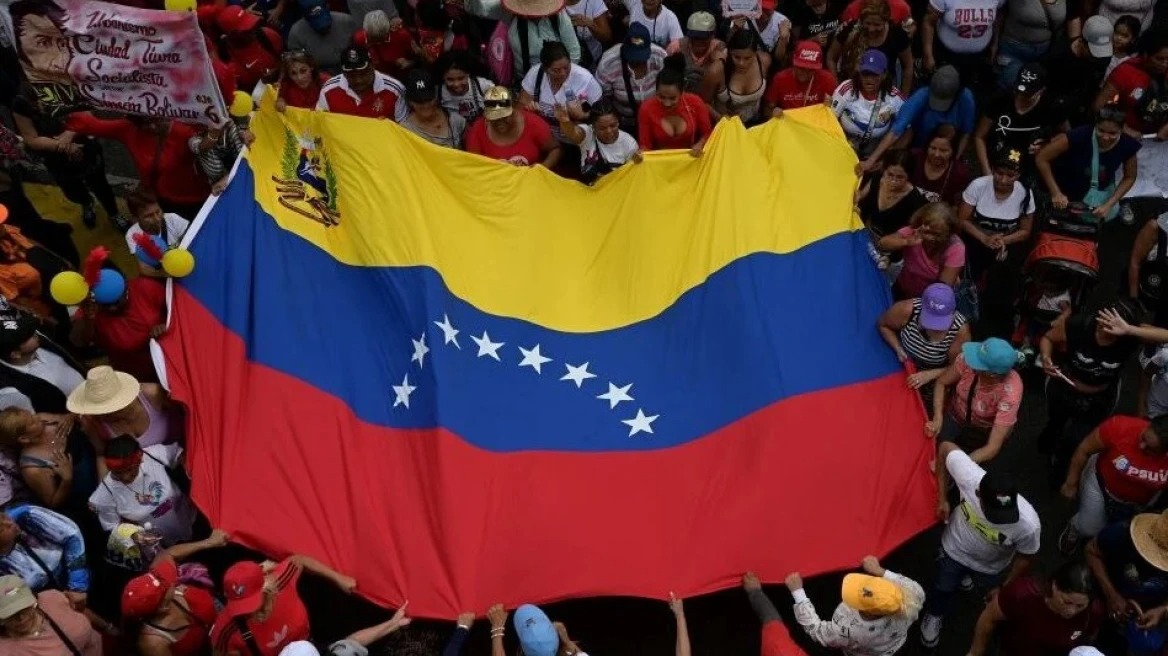
The recent military intervention by the United States in Venezuela, with the arrest of its head of state, constitutes a serious violation of international law and threatens the fundamental principle of non-use of force in international relations. Article 2 paragraph 4 of the UN Charter explicitly prohibits the threat or use of force against the territorial integrity and political independence of states, with limited exceptions such as authorization by the Security Council or self-defense. Unilateral action, even under the guise of restoring democracy, is not lawful. The principle of state sovereignty, which enshrines the equality of states, is also violated by such actions. Even a limited military presence on the territory of another state without its consent is considered a violation. The immunity of heads of state, although controversial, is an institutional guarantee for the smooth conduct of international relations, while their accountability belongs to international judicial mechanisms. The author emphasizes that the violation of international law is not justified by the moral judgment of governments or by the pursuit of specific political goals. A return to the era where power replaces law would undermine the collective security system built after World War II. In conclusion, the intervention in Venezuela endangers the fundamental principles of international law, such as the prohibition of the use of force and state sovereignty, and undermines the collective security system. Respect for international law is paramount for maintaining stability and justice in international relations.
You Might Also Like

Πώς είδαν τα κόμματα τη σύλληψη του Μαδούρο – Διαφορετική ανάγνωση της επιχείρησης των ΗΠΑ
Jan 4
Ο Τράμπ, ο Μαδούρο και το Διεθνές Δίκαιο
Jan 5
«Καμία δικαιολογία»: Έξω από την Αμερικανική Πρεσβεία το ΑΚΕΛ, καταδικάζει την επέμβαση ΗΠΑ στη Βενεζουέλα (ΦΩΤΟ)
Jan 5

Η αδυναμία επιβολής των κανόνων του διεθνούς δικαίου
Jan 6
Το διεθνές δίκαιο ως μύθος ισότητας
Jan 6